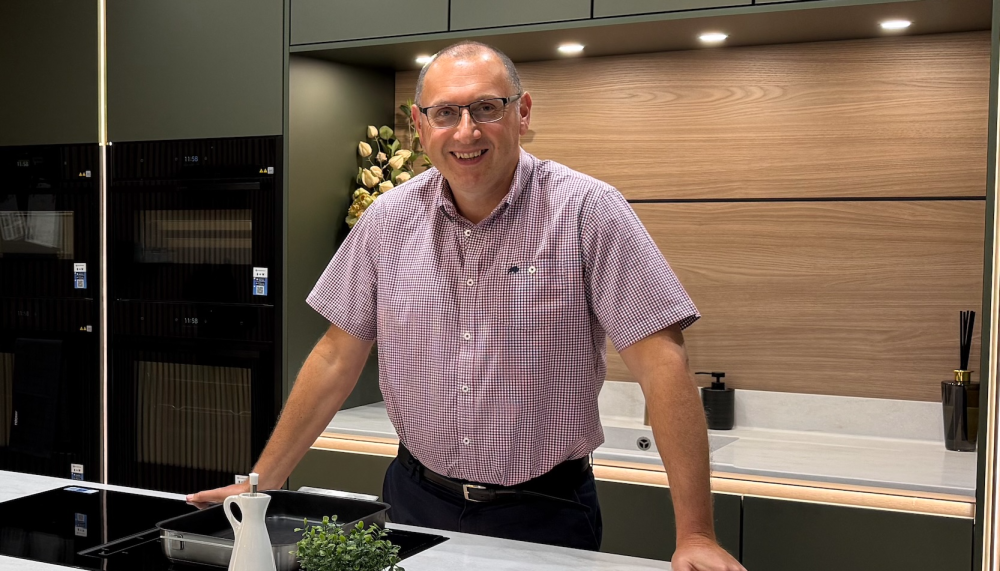
Caesarstone's Jon Stanley – We're seeing a surge in demand for porcelain worktops

Caesarstone's Jon Stanley – We're seeing a surge in demand for porcelain worktops
Porcelain worktops have been touted as 'the next big thing' in the UK kitchen market for more than a decade, but until recently, they have never matched the dominance of quartz – that picture is now changing, says Jon Stanley, Caesarstone's VP of marketing for Canada, UK & ROI.
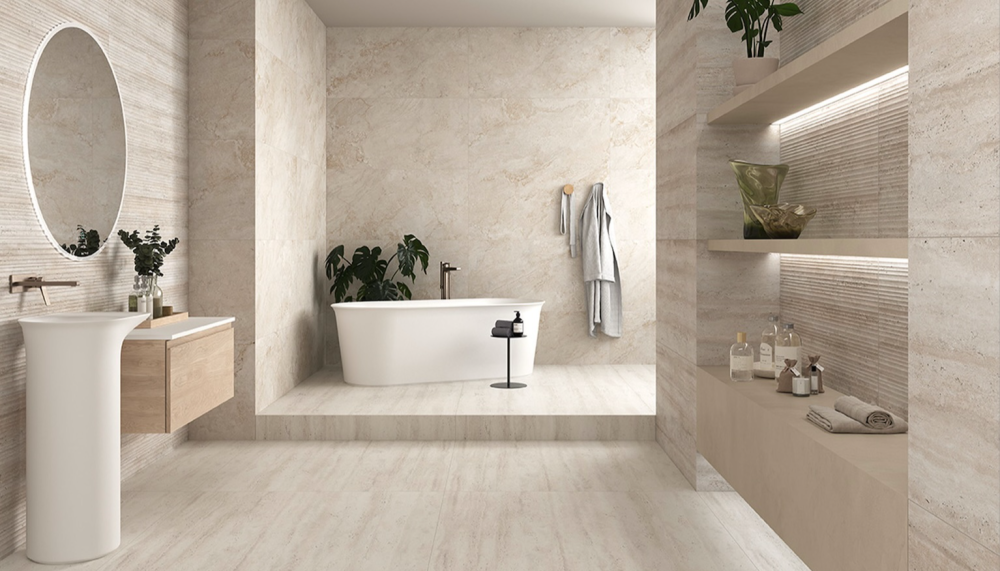
Over the past 12 months, the UK has seen one of the most significant shifts in surface specification in recent years, with porcelain moving decisively into the mainstream. According to Caesarstone UK, their porcelain volumes increased by 300% during 2025, underlining how quickly studios and homeowners are embracing the material.
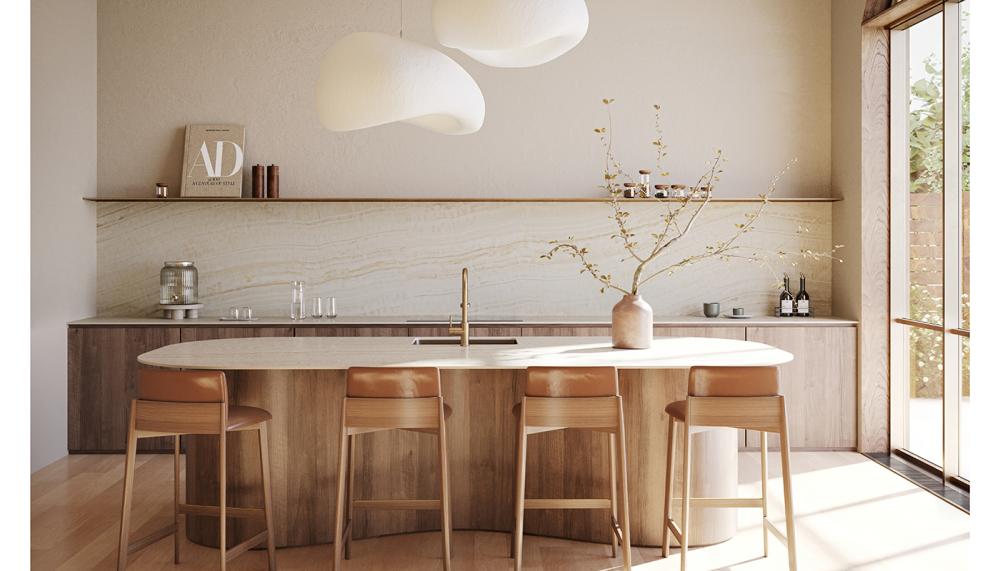
Porcelain is now a significant part of Caesarstone’s multi-material offering and is expected to continue its growth trajectory into 2026.
“Porcelain has been talked about for years, but 2025 looks like the point at which interest turned into action,” says Jon Stanley, VP Marketing at Caesarstone UK. “We’re no longer seeing porcelain as a niche or experimental choice. With the Caesarstone brand context, it’s now being specified confidently on kitchen projects and increasingly across the wider home.”
What’s driving the porcelain surge – and why quality matters
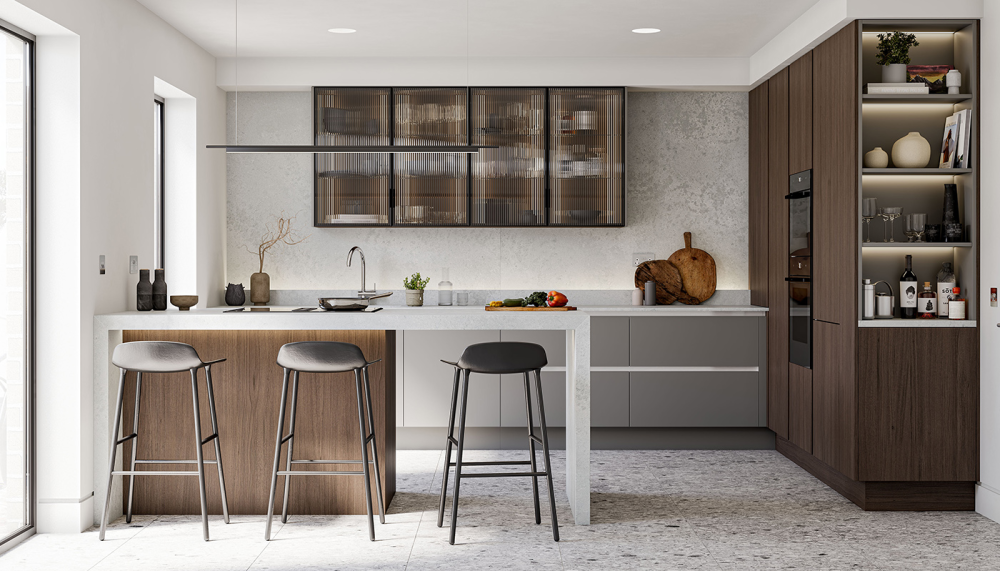
Changing design expectations are a key factor behind porcelain’s rise. Today’s clients arrive with strong visual references and a desire for material continuity across open-plan kitchen-living-dining spaces, particularly in new-build homes and apartments. Large-format islands, waterfall ends and seamless transitions from worktop to splashback have become standard design requests.
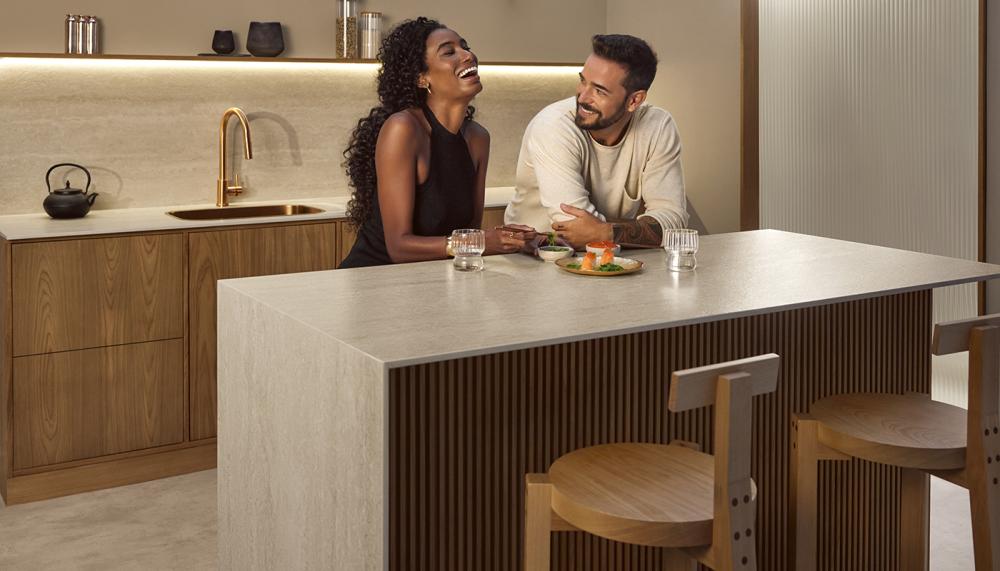
At the same time, homeowners want reassurance that the materials they choose will perform in everyday life.
Porcelain sits at this intersection of design and performance - but Caesarstone is clear that not all porcelain surfaces are the same.
“Engineered stone and porcelain appear to be very simple products, whereas in reality there are complex design and manufacturing processes behind them. One of the biggest misconceptions in the market is that porcelain is a single, uniform category,” Stanley explains. “In reality, raw material selection and blending, manufacturing methods and, consequently, surface performance vary significantly. All of this, good or bad, ultimately plays out in the design and selling process of the kitchen, as well as the end consumer experience.”
“There is a reason why many studios are still reluctant to specify porcelain”, he continues.
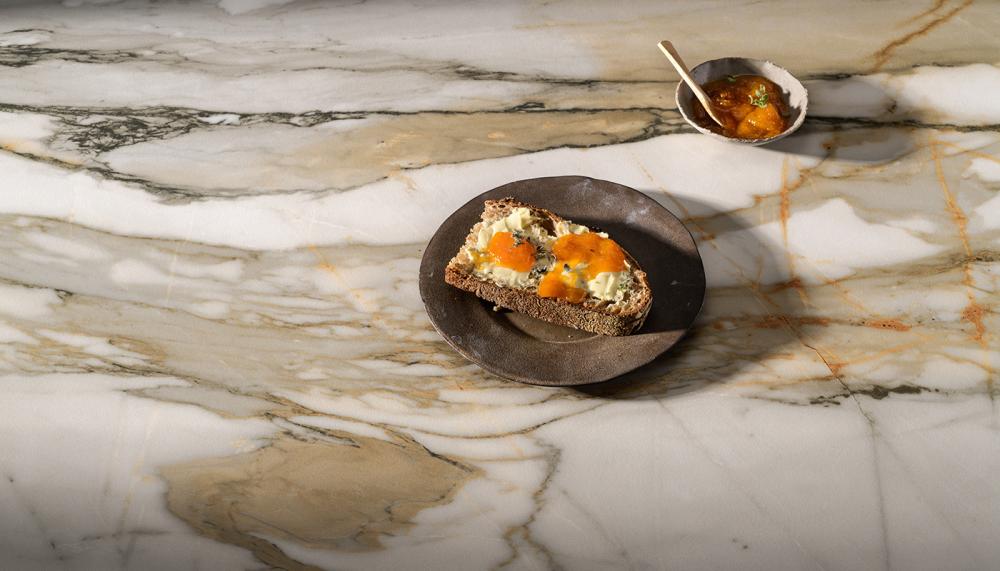
Caesarstone Porcelain is engineered to deliver both visual impact and dependable performance. Easy fabrication is also key. Additional value for studios, for whom callbacks or remedials can impact margins, is assured with Caesarstone’s Porcelain surfaces covered by the brand’s lifetime warranty, offering security for both the designer and the homeowner.
“Our approach to porcelain mirrors the way we have built trust in our engineered stone,” Stanley adds.
“It’s about engineering surfaces that designers can specify with confidence and that fabricators can work with reliably, project after project.”
Fabrication: the missing link now being addressed
Fabrication has historically been a barrier to porcelain’s wider adoption in the UK. In Caesarstone’s experience, many fabricators remain cautious, as porcelain behaves differently to quartz and crystalline silica-free surfaces and requires specific expertise, equipment and handling processes.
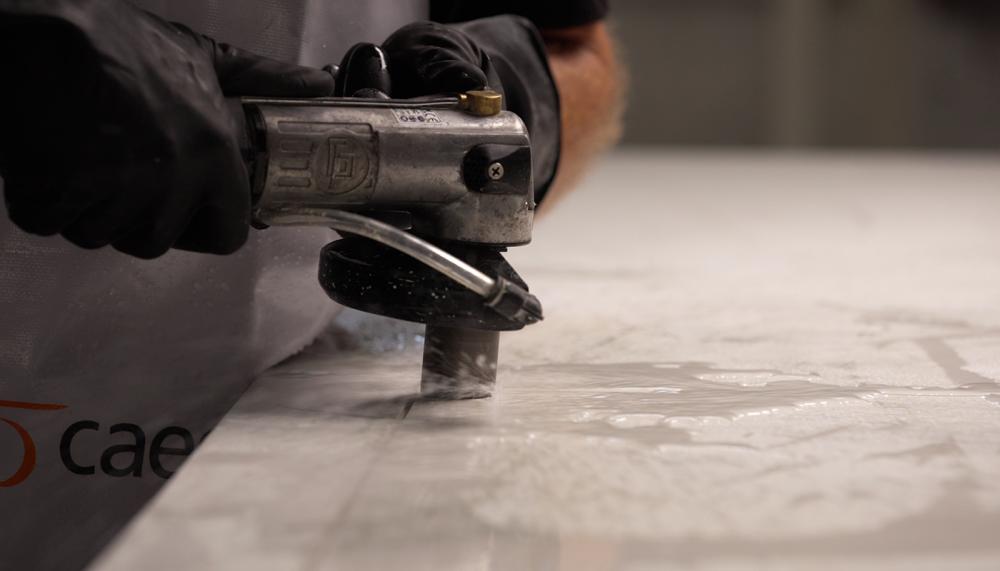
To support the category’s growth, Caesarstone experts are delivering national training programmes with key fabrication partners, alongside offering profitable specification and application guidance to kitchen studios.
“Porcelain success relies on the entire supply chain being confident,” says Stanley. “By investing in fabricator training and working closely with designers, we’re removing uncertainty and helping studios specify porcelain with far greater assurance.”
A complementary, not competitive, material
Despite its rapid growth, Caesarstone does not position porcelain as a replacement for quartz or ICON crystalline silica-free surfaces. Instead, porcelain is increasingly being specified alongside them, giving studios greater flexibility and access to a wider range of applications across the home.
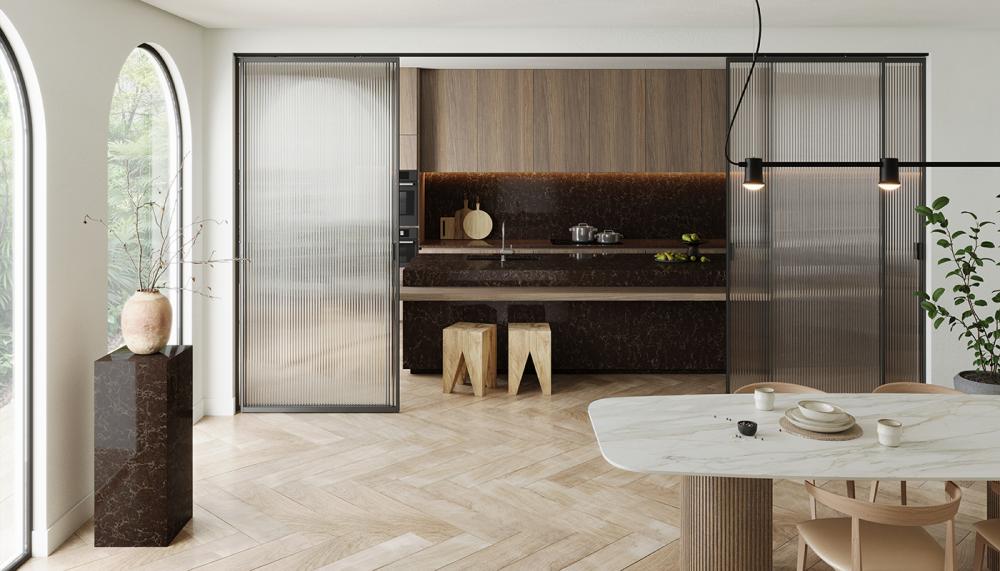
“Porcelain’s rise reflects a broader shift in how kitchens and interiors are designed, which increasingly goes across the whole interior space and into the garden” Stanley concludes. “It’s about intentional surfaces, confident detailing and materials that work across multiple spaces. Porcelain is not a trend – it’s a natural evolution in premium surface design.”
Tags: insight, features, jon stanley, worktops, surfaces, porcelain



Sign up to our newsletter