Natural stone basins: Ca’ Pietra’s Grazzie Wilson on the rise of bespoke designs
Natural stone basins: Ca’ Pietra’s Grazzie Wilson on the rise of bespoke designs
Combining the natural beauty of stone with the opportunity for truly tailored designs, bespoke natural stone basins offer designers and retailers a way to create a visual centrepiece in the bathroom – Ca’ Pietra’s Grazzie Wilson explores the design possibilities they offer.
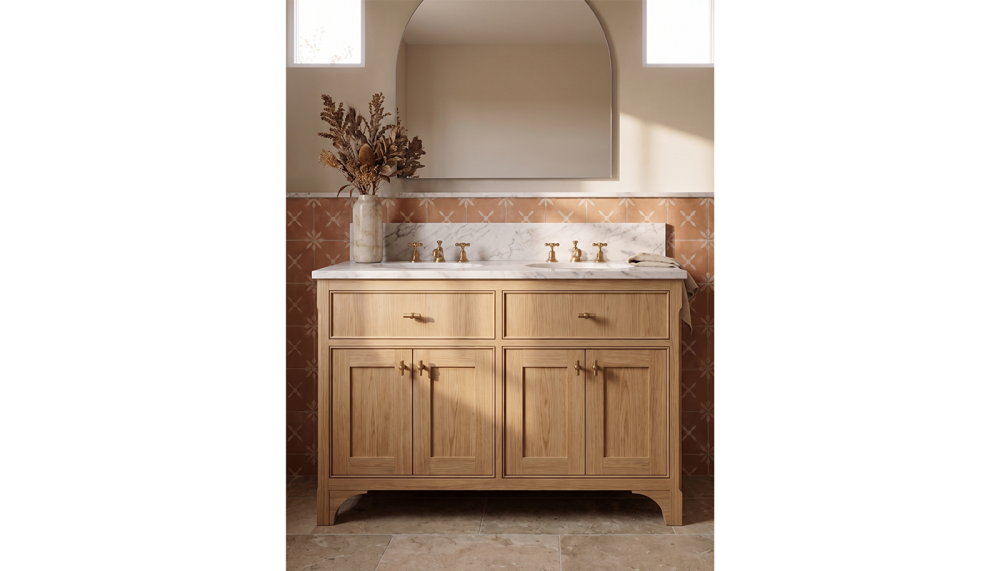
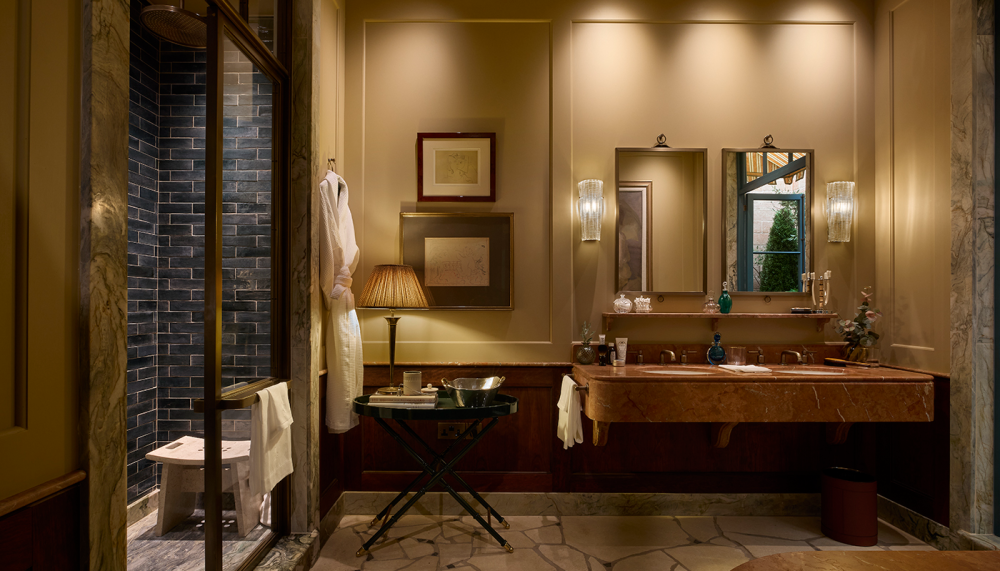
A bespoke basin might take the form of a compact wall-mounted piece for a cloakroom, a substantial trough or a full-width vanity with an integrated bowl. Stone can continue upwards to form a splashback, or the basin can be designed as a sculptural piece in its own right. Even the front offers an opportunity: the most expressive section of the slab can be placed where it will be seen, rather than disappearing beneath the worktop.
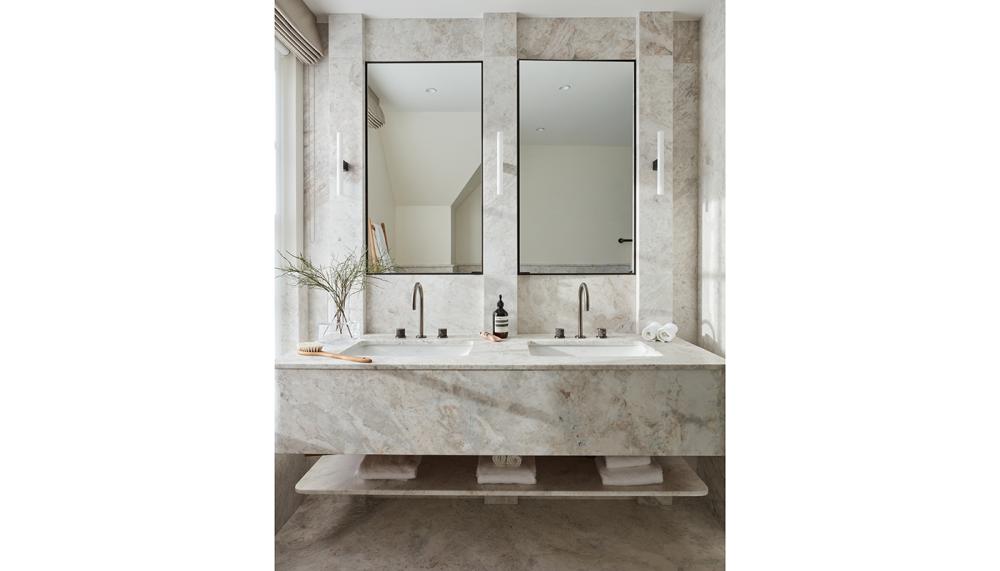
Grazzie Wilson, head of creative at Ca’ Pietra, says: “There are bathrooms where everything is trying terribly hard, and you can almost hear the tiles arguing with the taps. A wonderful stone basin brings some order to the conversation, while giving the room a lead character. The key is to commit to the basin early. Do not design an entire bathroom and then squeeze the most important piece into whatever gap remains. Choose the wall, establish the width you can give it and make sure the practical requirements are worked through before falling in love with a particular shape.”
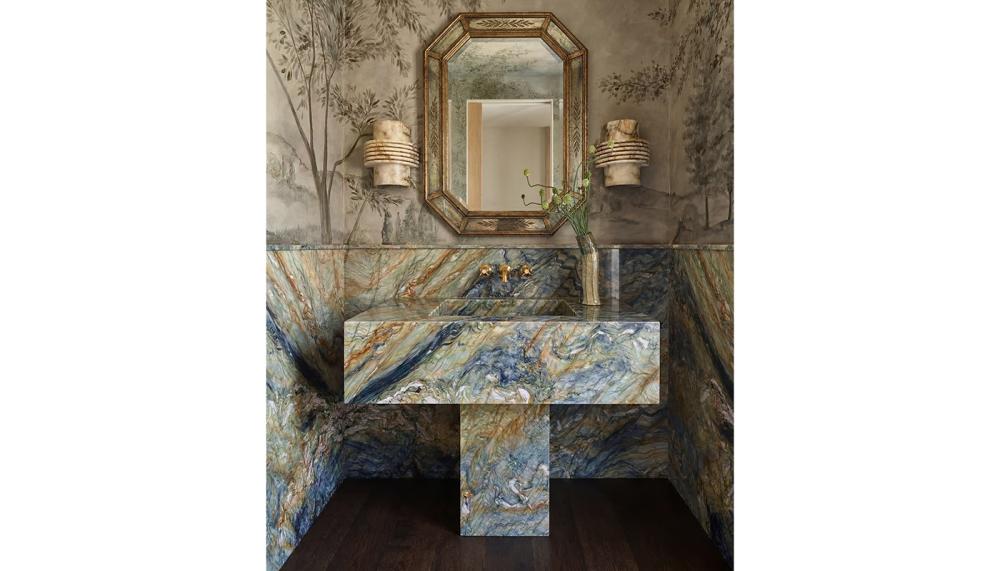
Unlike a basin chosen from a fixed collection, a bespoke design starts with the room. A narrow cloakroom might call for a shallower projection, while a principal bathroom can accommodate a longer vanity with useful space around the bowl. Awkward recesses and unusual dimensions become part of the brief rather than a reason to settle for something generic.
The stone itself is equally important – slab selection is not merely about choosing a stone name. It is about looking at the individual piece and deciding where its strongest markings should sit. A bold vein might be carried across the basin front and onto the adjoining return. A quieter area could be reserved for the bowl, where the cuts and falls would otherwise interrupt the pattern. Where a splashback is included, the stone can be arranged so the movement continues upwards rather than starting again at random.
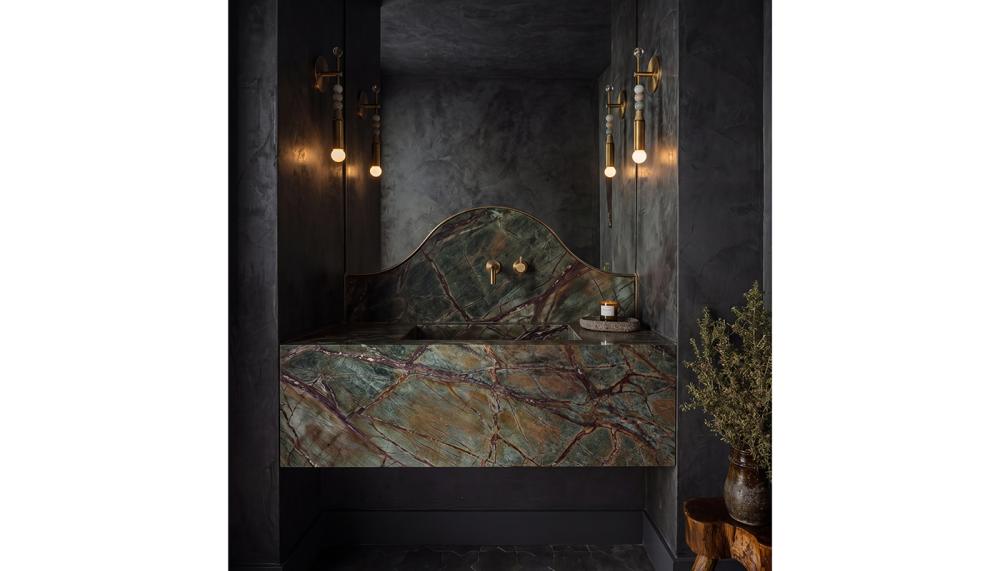
“You have to work with the slab you have in front of you,” Grazzie explains. “Sometimes the most beautiful part is not where you expected it to be, and that should influence the design. We might shift the bowl slightly, change the height of the splashback or use a particular section across the front so the stone gets its best close-up.”
Bespoke also allows the shape of the basin to respond to the character of the stone. A strongly patterned material can suit a simpler, more solid form, giving the markings uninterrupted space. A quieter stone may carry a more expressive profile, perhaps through a curved front or a shaped splashback. Edge details can alter the effect too: a thicker edge gives the basin weight, while a slimmer profile can make a wall-mounted design feel more like a console.
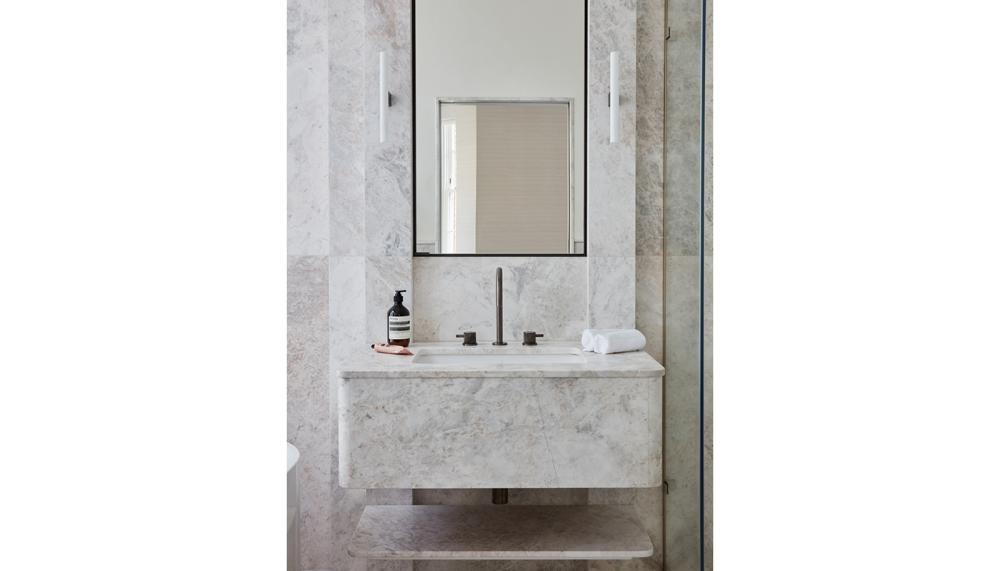
The position of the waste needs to be established before cutting begins, as does the route of the pipework. A wall-mounted basin requires the correct support, particularly where the chosen stone and scale create considerable weight. The wall construction must be assessed early, not after the plasterer has packed away.
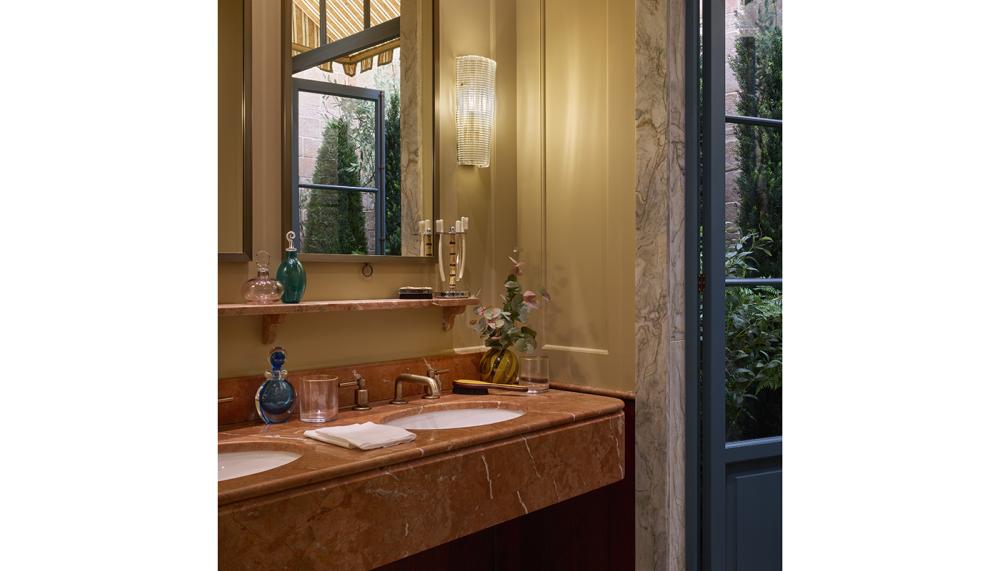
Tap choice also affects the proportions of the bowl. The spout needs sufficient reach, but it should not send water against the front edge or directly into the waste. Wall-mounted brassware must be positioned at a comfortable height, with enough clearance for hands beneath it. Deck-mounted taps require enough stone around the bowl for secure installation.
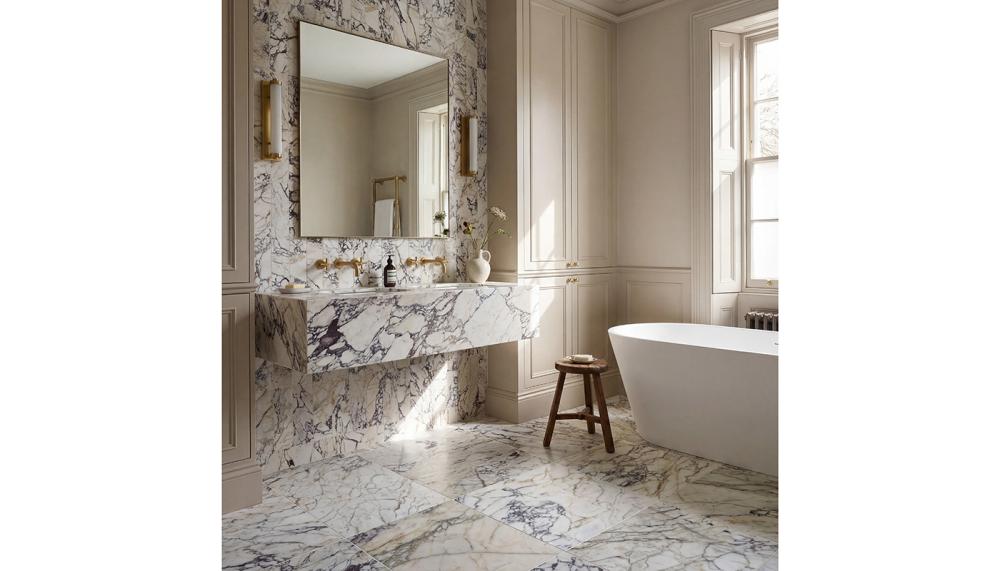
“The basin drawing and the tap specification should be introduced to one another before anybody starts cutting holes. A tap can look perfect on a mood board and still be completely wrong for the bowl beneath it.”
Natural stone brings its own requirements, which should be understood from the outset. The chosen material must be suitable for the application, properly finished and sealed where needed. Day-to-day care should be gentle: acidic products and harsh cleaners have no place on marble, and spills are better wiped away than left to become part of the geology. This is not difficult maintenance, but it does require the household to treat the stone as the natural material it is.
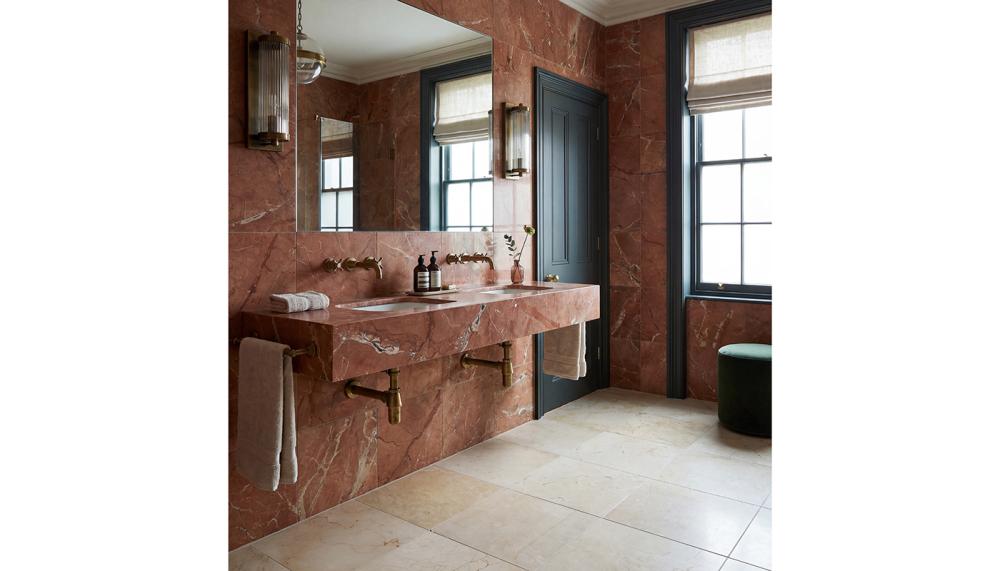
That sense of permanence is part of the attraction. A bespoke basin is not tied to a short-lived bathroom fashion or a standard furniture size. It belongs to the room because it was made for it. In a small cloakroom, it can provide all the impact the space needs. In a larger bathroom, it can replace the expected run of furniture with something closer to a piece of sculpted stone.
It also changes the order in which a bathroom is designed. Rather than selecting wall finishes first and fitting the basin into the scheme later, the slab becomes the starting point. Paint, floor tiles and brassware can then respond to it. Fewer materials may be required because the basin is already supplying so much character.
“A bespoke piece does not need acres of stone around it to make sense. In fact, it often looks better when there is a little restraint elsewhere. Give it a calm wall, excellent lighting and enough room to be seen properly.”
Tags: insight, features, grazzie wilson, ca pietra, natural stone basins, natural stone, basins, bathrooms





Sign up to our newsletter
Most Read