Interview: Bell of Northampton's Lee Ferris on AI, Häcker and the future of the showroom
Tue 15th Sep 2026 by Tim Wallace
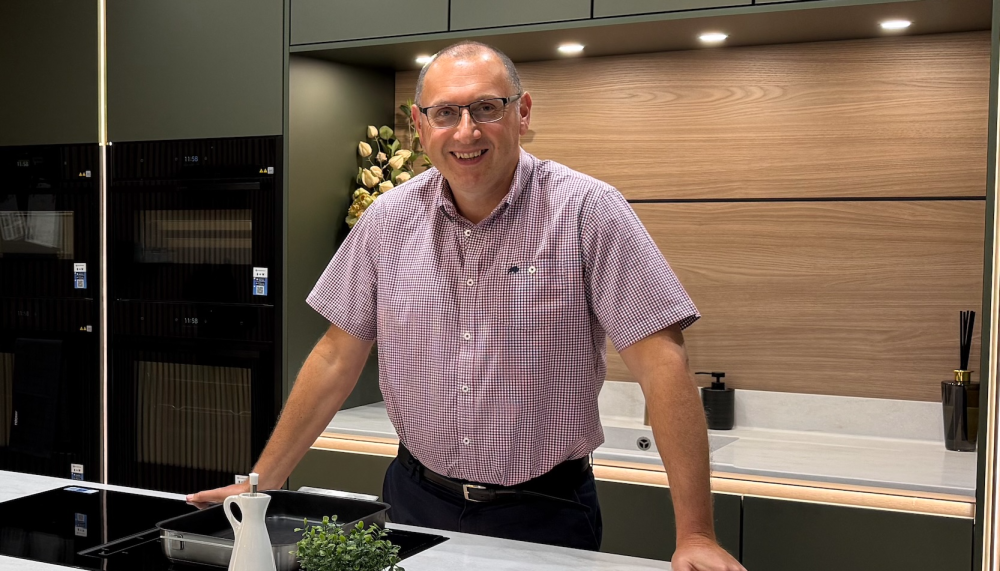
Interview: Bell of Northampton's Lee Ferris on AI, Häcker and the future of the showroom

The retail landscape is shifting. Suppliers are building consumer brands, social media is driving trends and customers are arriving with AI-generated designs. Tim Wallace talks to Bell of Northampton MD Lee Ferris to hear how the firm is adapting.
When Lee Ferris talks about the future of Bell of Northampton, the conversation quickly moves beyond kitchens and bathrooms. The 127-year-old retail business still considers KBB its core expertise, but Ferris believes the role of the showroom is evolving. Customers can spend months researching online before they walk through the door, while social media can shift trends almost overnight. Increasingly, they are also arriving with ideas generated using AI.
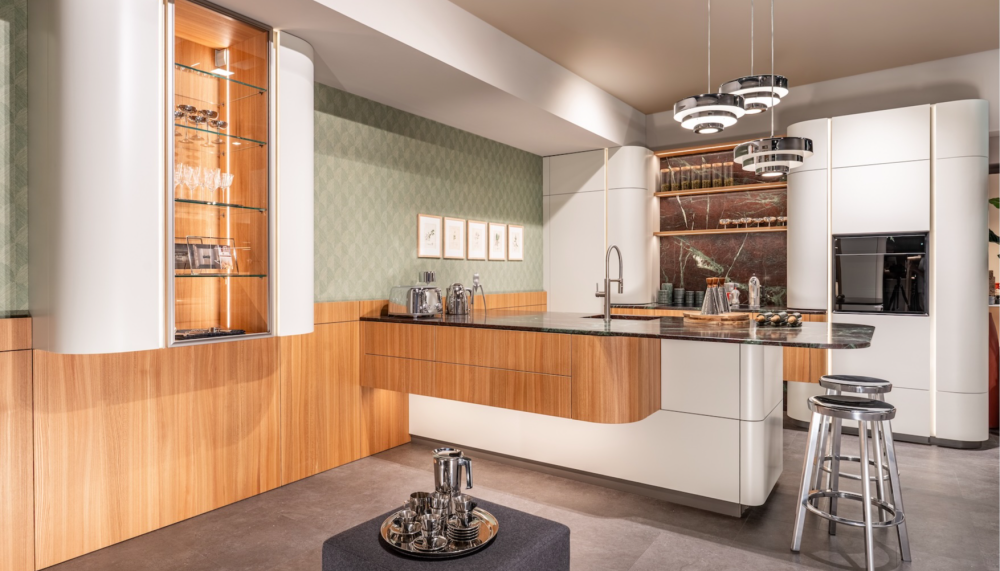
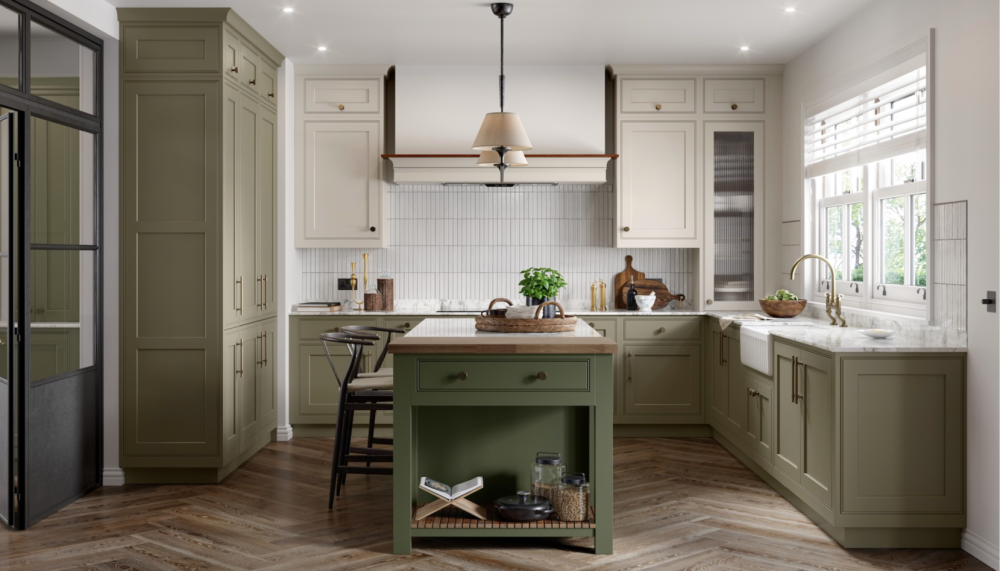
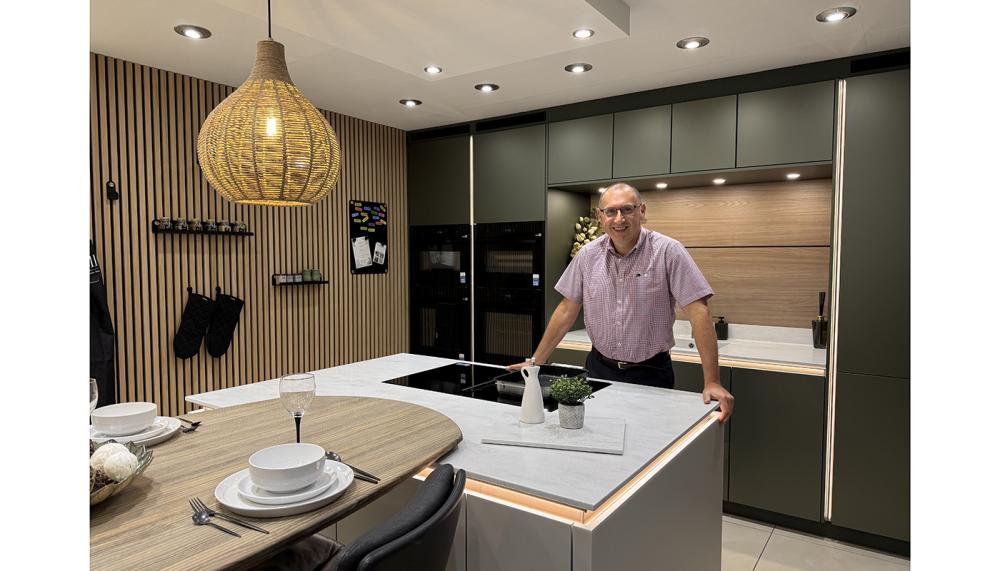
At the same time, manufacturers are becoming more interested in building their own consumer brands, potentially changing the relationship between supplier and independent retailer. Bell's recently completed Häcker showroom is a particularly good example. For more than 8 years, the retailer sold Häcker-manufactured kitchens under its own Artline brand, which was its previous white-label model. Now Häcker is putting its own name in front of consumers, while Bell becomes one of the independent specialists helping to build that brand in the UK.
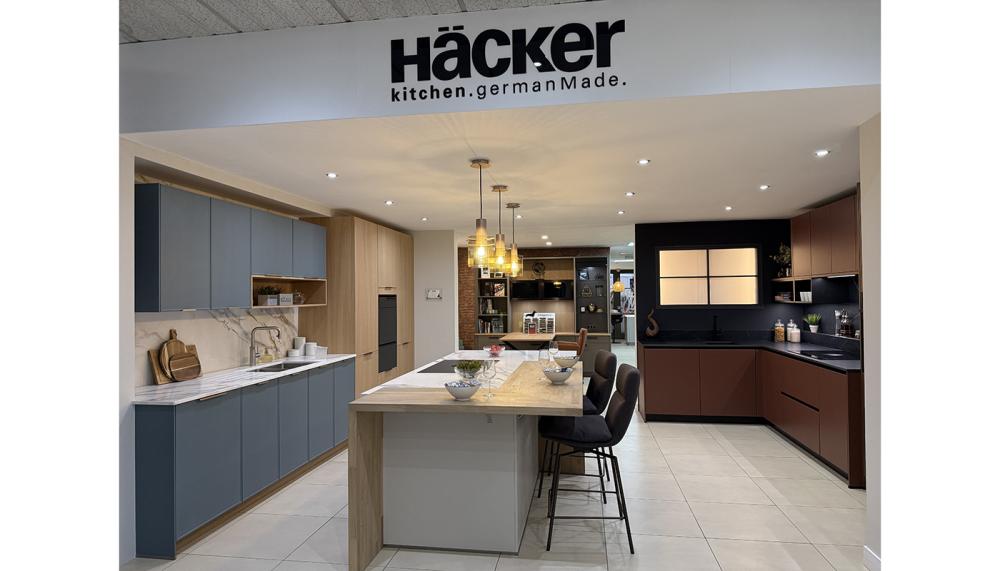
That arrangement had worked well, but it created a problem for Häcker. “It's one of the biggest kitchen companies in the world, but they weren't really able to advertise directly to the consumer because it was all being branded under the retailers' own brands,” Ferris explains. The new model allows Häcker to market itself directly and gives Bell the opportunity to benefit from that activity. “They can generate leads from their own website, their social media, and then send those leads through to us,” says Ferris.
Branding changes
The new approach does, however, remove one of Bell's previous advantages. Artline had been exclusive to Bell, meaning customers couldn't simply take the same branded proposition to another retailer and compare prices. Now, the consumer knows they are buying Häcker.
“The only downside to that is, because Artline was exclusive to us, if somebody wanted to get a quote from another kitchen company, it was difficult to compare like for like,” Ferris says. “Now it's a much more open trading arrangement. They know they're getting a Häcker kitchen, and they could then get a direct quote from another retailer.”
For Bell, the trade-off is greater brand visibility and marketing support from a major international manufacturer in return for surrendering some exclusivity. Asked whether the balance of power between retailers and suppliers has shifted over the past 5 years, Ferris says the relationship has become more difficult in some cases. “Some have become a bit more dictatorial in their approach,” he admits.
Market conditions have played a part, with suppliers increasingly trying to control how their products are presented and sold. Bell, however, feels it is in a strong enough position to push back when necessary, thanks to its reputation, longevity and importance to its suppliers. “We've got pretty good leverage,” he says. “We're an established retailer, we've got a good reputation.”
But the business model is being developed against a difficult financial backdrop. Ferris says Bell's turnover has fallen by 10% over the last 3 years, reflecting the more cautious market of recent years. “There’s been a couple of years where it's been more about consolidation,” Ferris says.
Like many businesses in the sector, Bell has had to navigate weaker consumer confidence, higher costs and uncertainty around the market. But the business has stabilised and returned to profitability. Importantly, Ferris doesn't define success simply in terms of increasing turnover. It’s more about “being comfortable”. By that he means having a business generating enough cash and profit to keep investing. “If we're comfortable, we can reinvest in the premises, reinvest in the shop, reinvest in systems,” he explains.
Bell has also become more selective about the manufacturers it works with: “If you've got too many displays, your staff have got to learn too much, and the customer has got too much to process,” he says.
The new customer
That philosophy also reflects a fundamental change in the customer journey. Twenty years ago, the showroom was often where the research started. Today, it may be where the research ends.
“People can spend months on Pinterest, Instagram and manufacturers' websites,” says Ferris. “They're coming in with concepts that they've designed using AI. Our job is to take that as the brief and match what they want. In the last couple of years, we've even designed a couple of kitchens based around the customers' cats,” he says, “including a special area where the cat can sit.”
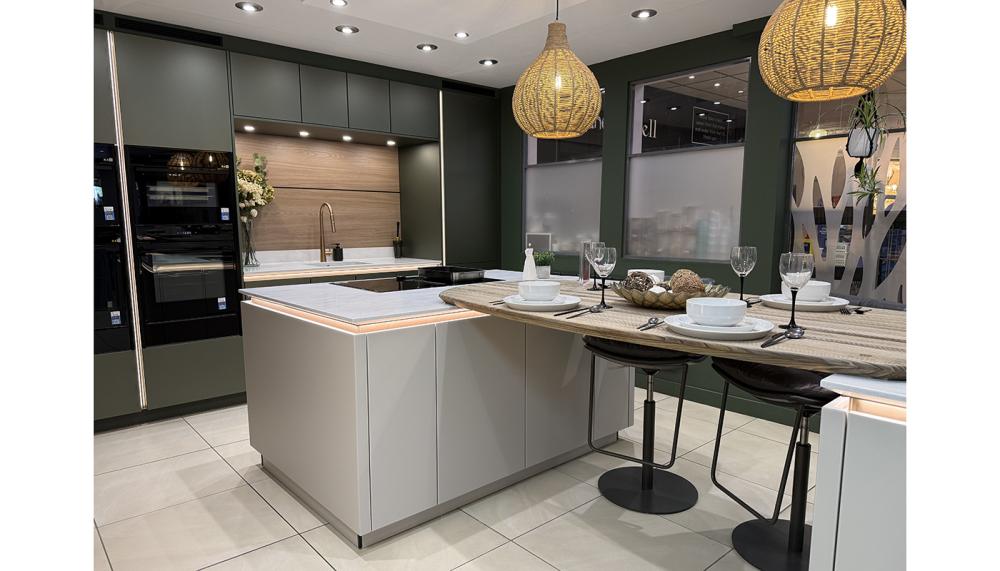
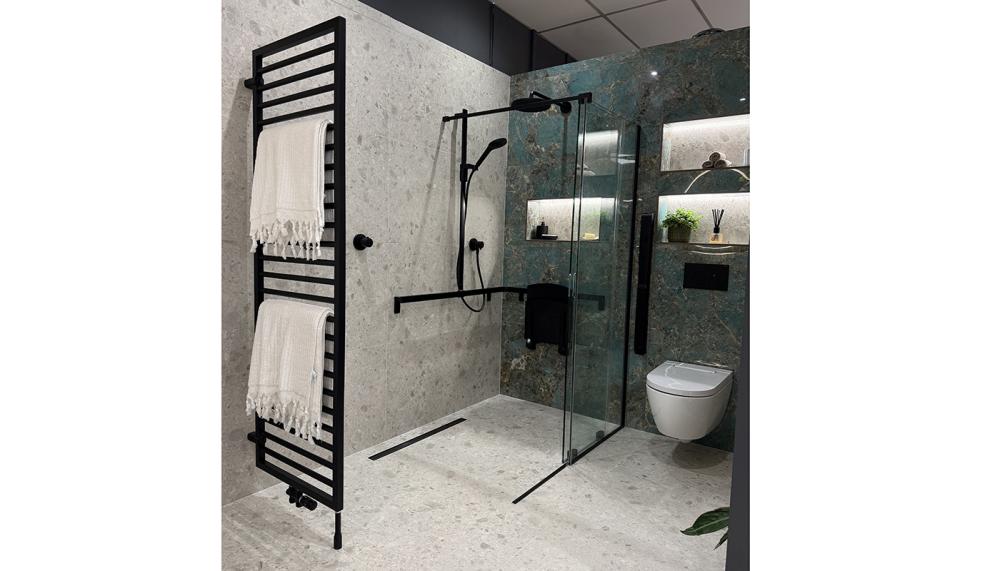
The same approach is visible in the showroom itself. In the new Häcker area, one kitchen leads through to a utility room hidden behind cupboard doors, while dog showers have also made their way into the displays as customer demand and wider trends evolve. “We look at trends, but we also look at our own experience of what people are asking for,” Ferris says.
Bell is experimenting with AI internally as well, using it for areas including HR and legal documentation and exploring its potential for visualising showroom ideas. But the internet cannot replicate the experience of opening a cupboard, feeling the finish or sitting down with a specialist who can tell them whether the idea will actually work. That physical experience is increasingly what Bell believes its showroom needs to deliver.
“Social media means trends and colours can change overnight,” says Ferris. “They used to last for years.” That makes maintaining a large showroom a continual commitment rather than a periodic refurbishment exercise.
“Refreshing the showroom in a big way creates interest,” he says. “It gets the staff excited about the displays, and that's really important. You've got to keep staff engaged in these products and continually keep updating the displays.”
Beyond kitchens
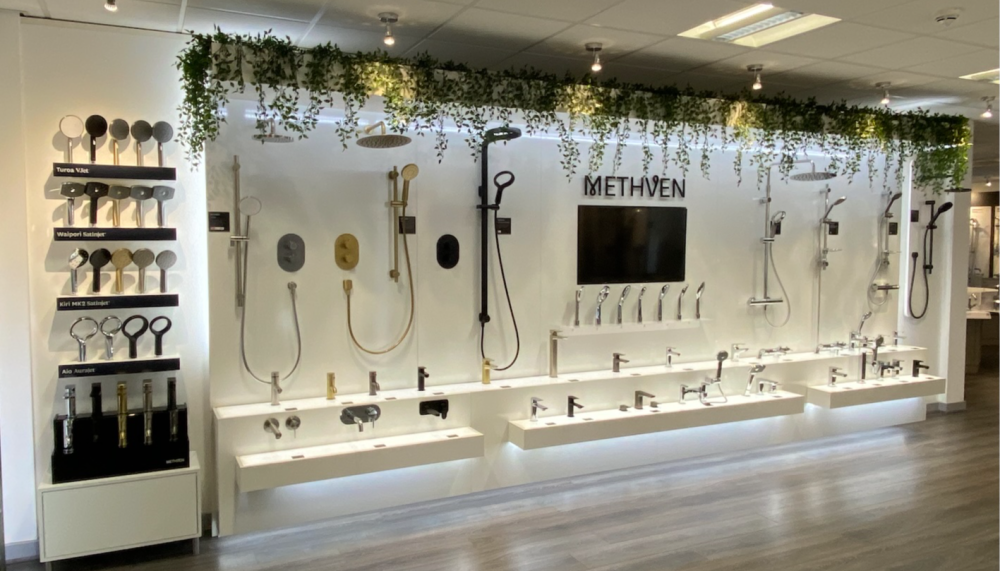
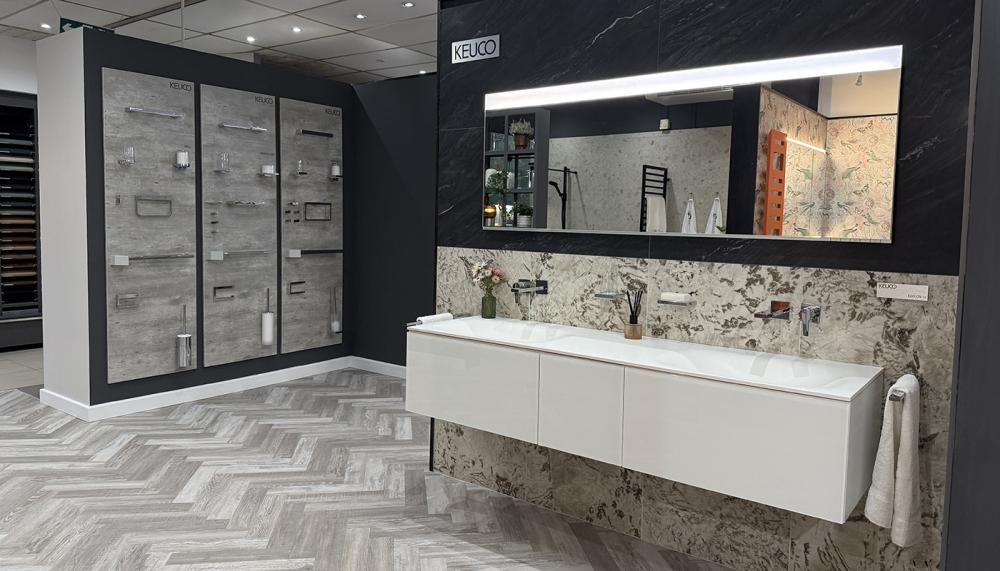
For Bell, however, the showroom is the centre of a much broader destination-store proposition, with kitchens and bathrooms alongside outdoor living, lighting, interiors, art, gifting, a café and other concessions. Bell also runs regular events and has built an environment where customers can come in without necessarily having a £40,000 kitchen project on their agenda.
But there is a potential downside to that breadth. Ferris admits that Bell has to work hard to ensure the destination-store concept doesn't dilute its credentials. “There is a danger that, if we consider the department store side of it, we don't come across as specialists in one area. We need to keep reinforcing that message.”
That balancing act has even influenced the way the company approaches services outside its traditional expertise. At one point, Bell operated an interior-design business as an internal department. Eventually, it concluded that it wasn't properly equipped to run the operation itself. The solution was not to abandon the service, but to change the model and bring an independent interior designer into the store.
It's a useful example of the way Bell is developing by creating a place where customers can access a wider range of services. That approach has led the company to continue investing in technology, infrastructure, marketing and people despite the tougher trading environment.
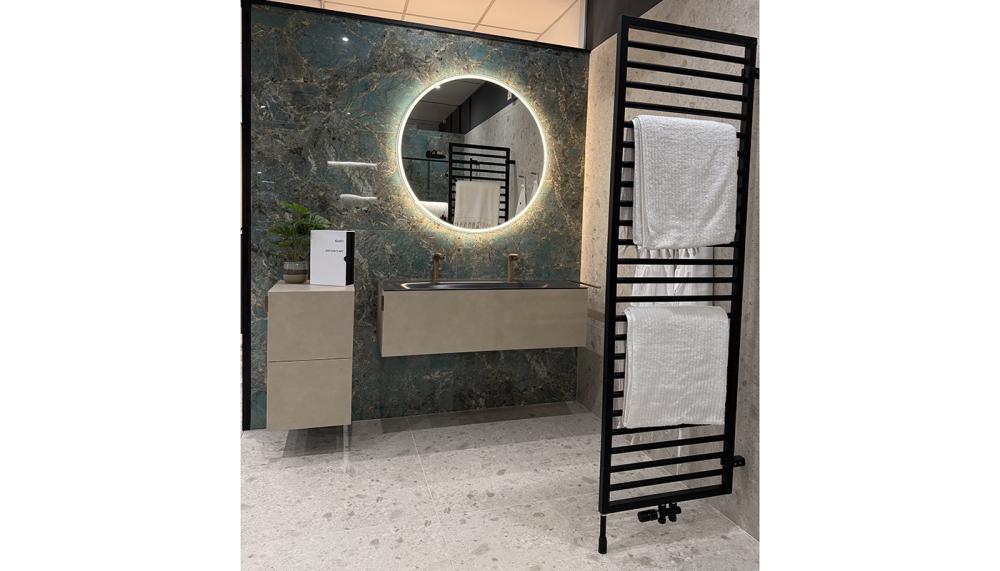
Its approach to recruitment has changed too. Ferris insists attitude is now more important than having years of KBB experience. He points to a recent bathroom recruit who came from outside the sector but had a strong retail background and, in his view, has been “amazing”. “Sometimes 20 years' experience in the industry isn't as valuable as somebody who's got the right attitude and is willing to learn,” he says.
Ferris believes that knowledge, experience and service still count for a lot. When a customer is spending big money on a project, they want to know they are dealing with someone who understands what they are doing and will look after them.
The customer may arrive with a design created by AI. The manufacturer may arrive with its own consumer marketing strategy. Social media may have moved the goalposts on what looks current. And the retailer itself may have to accept that some of its old sources of differentiation, such as exclusive branding, no longer apply.
A 127-year-old business still has to give people a reason to walk through the door in 2026. For Bell, that means accepting that the independent retailer's role is changing and making the physical store more valuable as a result.
“We're not a straightforward kitchen and bathroom studio,” says Ferris. “We're a home destination store.” For Bell, that means giving consumers a reason to leave the internet behind, and making sure the experience they get when they do is worth the trip.
Tags: interview, features, lee ferris, bell of northampton, kitchens, hacker