How Ashford Kitchens designed a space that balances accessibility and family life
How Ashford Kitchens designed a space that balances accessibility and family life
Phil Shelley, sale & design manager for kitchen and home living retailer Ashford Kitchens & Interiors, reveals how he created a bespoke Shaker kitchen that would support independent living for a client with mobility challenges while retaining the warmth, style and practicality of a modern family home.
Q: What was the brief from the client for this project?
A: The client required a kitchen that would allow him to cook and prepare drinks independently, despite being a wheelchair user. A key part of the brief was ensuring the space felt like a beautiful, 'normal' kitchen rather than something overtly adapted. At the same time, the kitchen needed to work for the rest of the household, meaning it had to balance accessibility with standard functionality for family living. The client also wanted a more open, sociable space that made better use of the room and allowed for both cooking and relaxing.
Q: How did you go about meeting the brief?
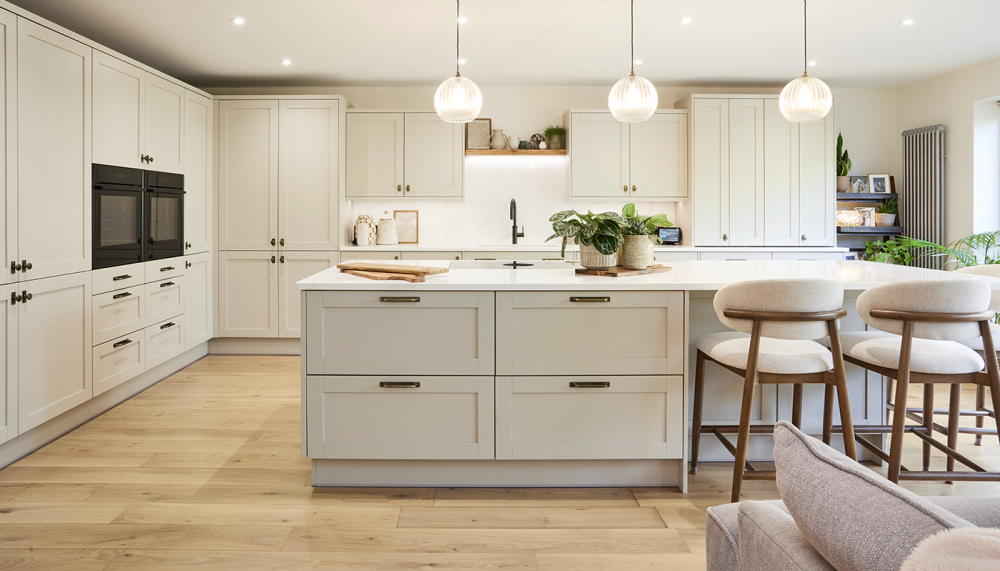
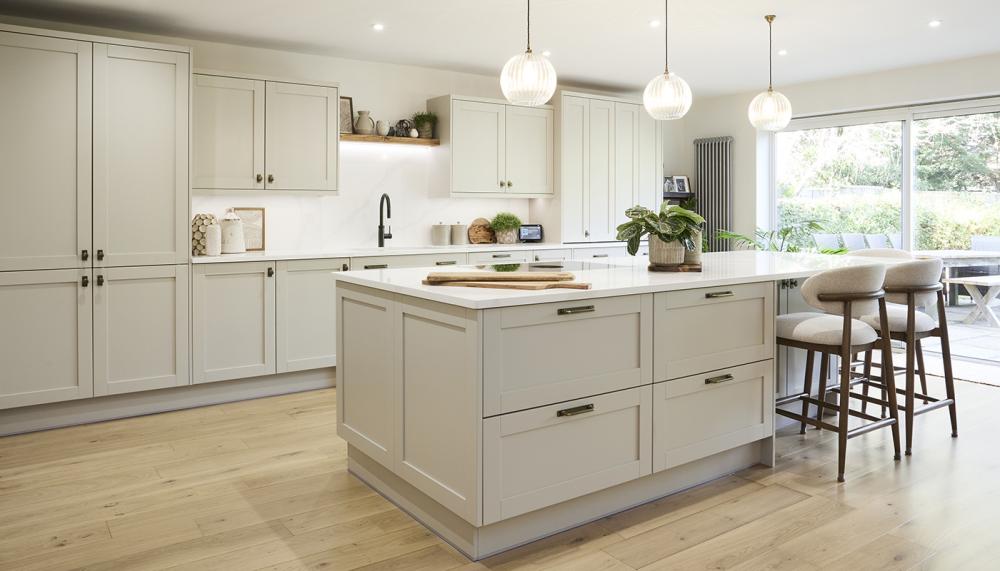
A: I completely reworked the layout, transforming the original small U-shaped kitchen into a full-width design running along the entire length of the main wall. This immediately improved flow and made the space far more suitable for wheelchair access. I introduced a zoned approach, with certain areas fully accessible for the client while keeping others suitable for the rest of the family, ensuring the kitchen works for everyone. I also incorporated a sofa area opposite to create a more relaxed, social living space.
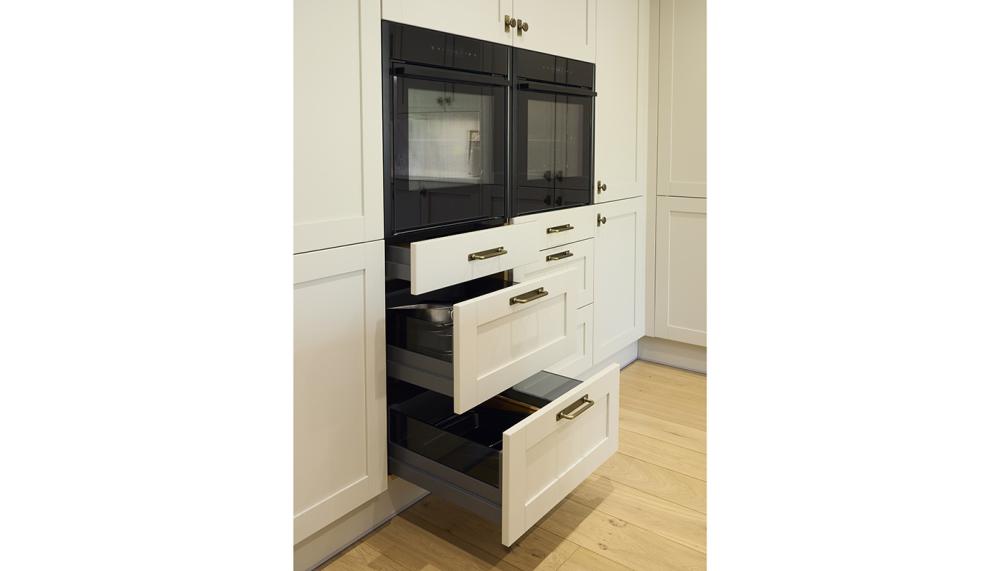
Key features such as lowered ovens with slide & hide doors, adapted sink and hob areas, and clear circulation allowed the client to use the kitchen safely and independently, all while maintaining standard worktop heights throughout.
Q: What type of cabinetry did you choose and what made it the perfect choice?
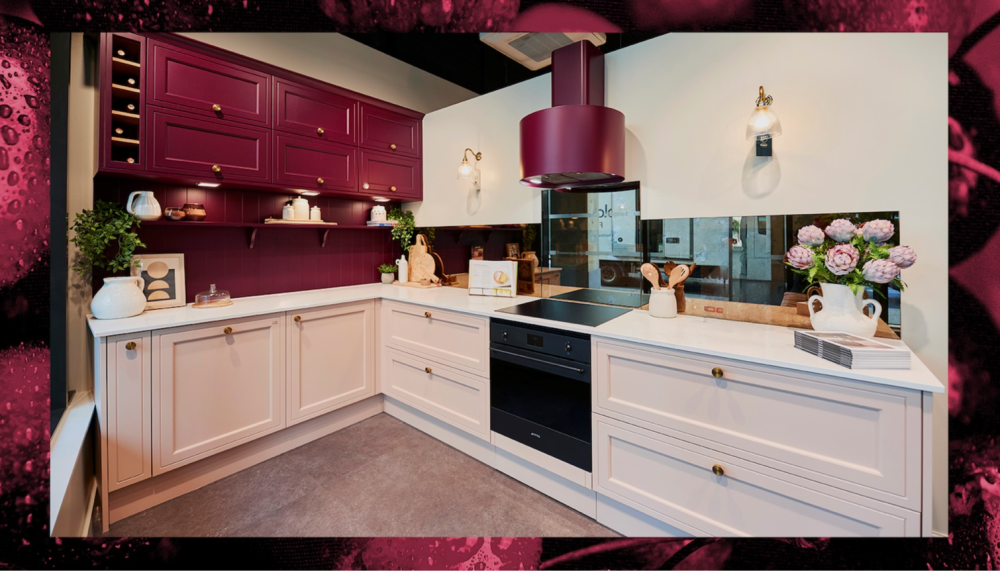
A: I selected a Shaker-style door from the Monarch range in a smooth PVC foil-wrapped finish. This was a very deliberate choice. As the client uses a wheelchair, there’s naturally more contact with the cabinetry, and a painted finish could be prone to chipping or marking. The smooth PVC finish is far more durable and hard-wearing, while still delivering a clean, high-end look.
Q: What materials did you use? Did you use anything different or unusual?
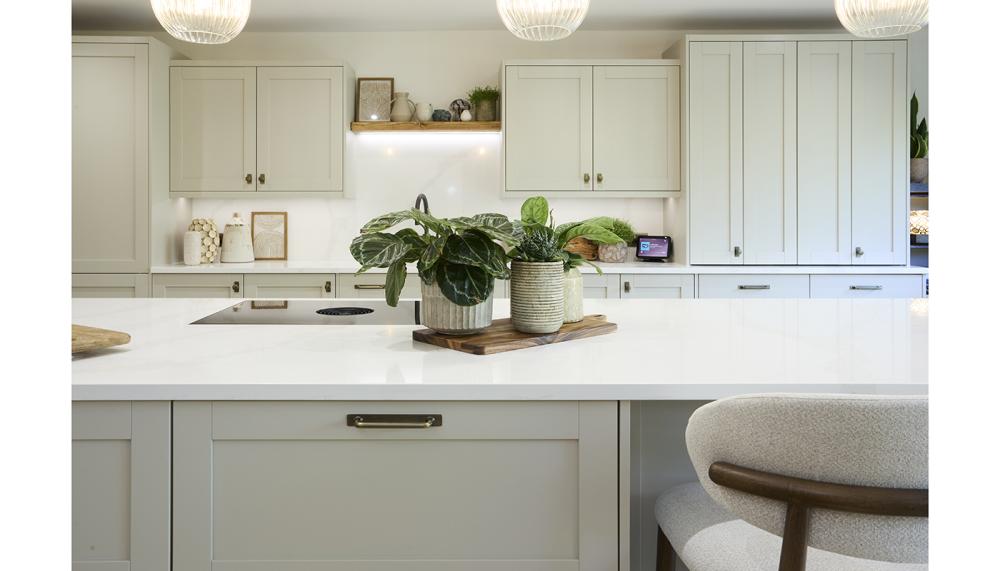
A: The materials palette was intentionally classic and understated, including Shaker-style cabinetry in a soft limestone tone paired with quartz worktops. For me, the focus wasn’t on introducing unusual materials, but on using high-quality, familiar finishes more thoughtfully.
Q: What were the particular challenges that you faced?
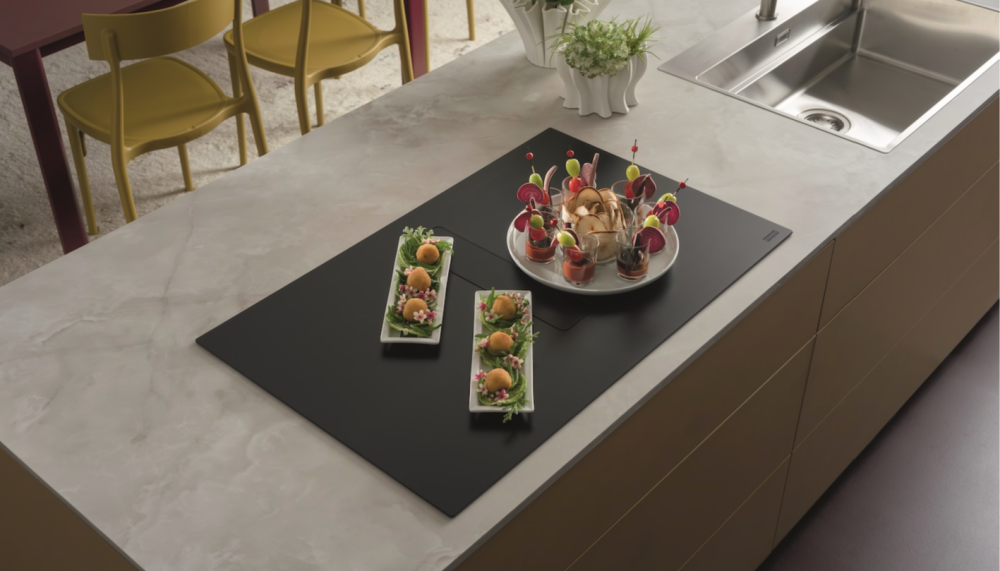
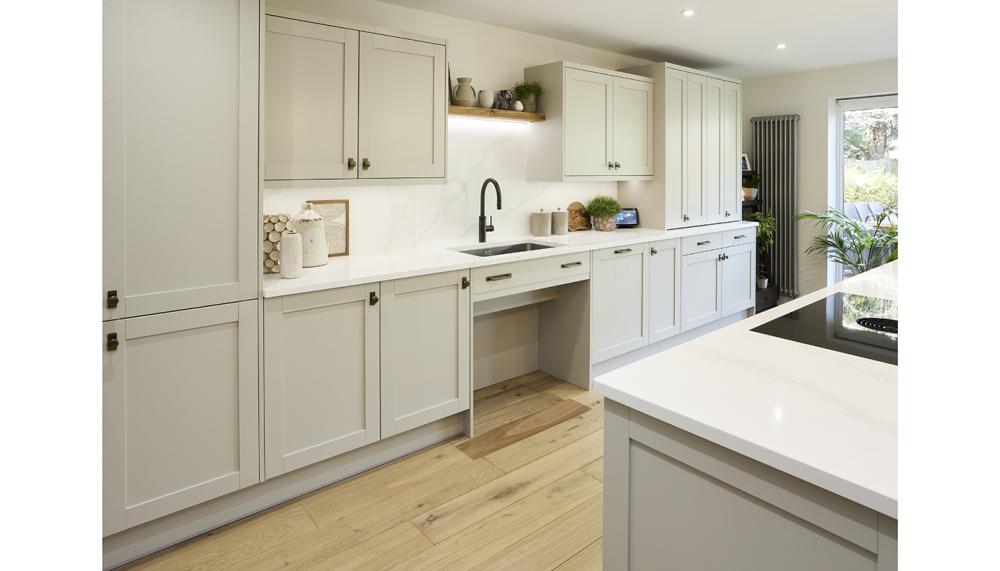
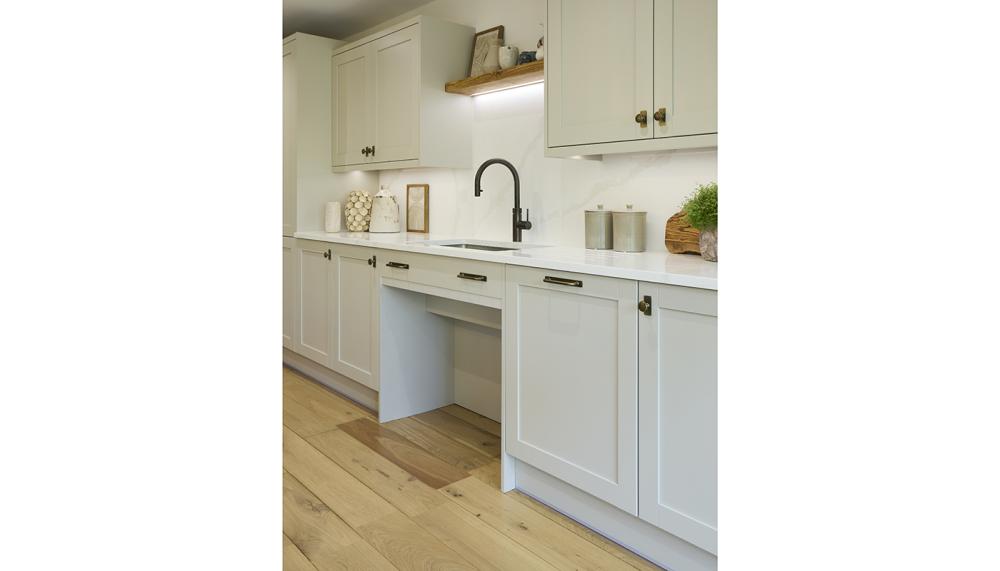
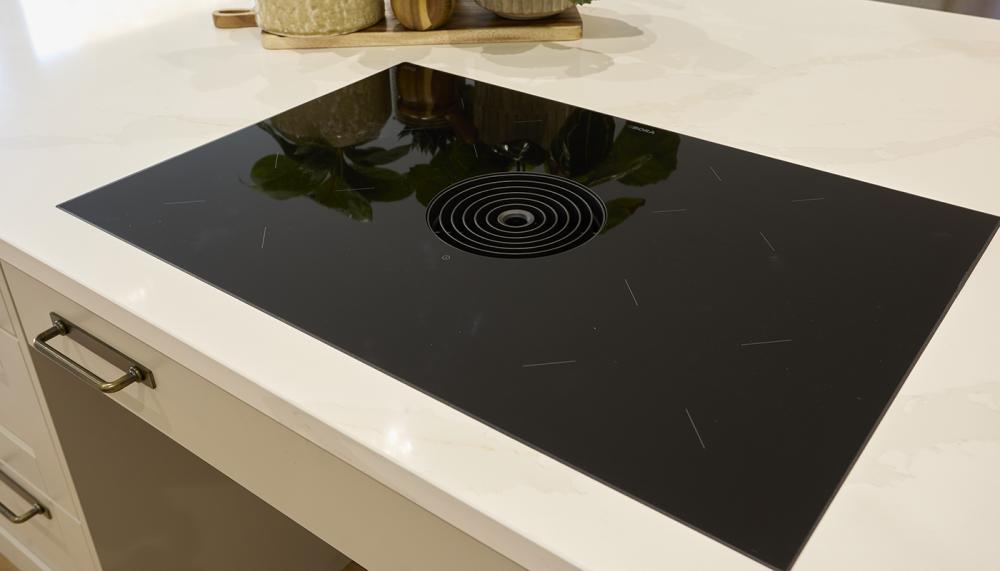
A: One of the biggest challenges I faced was designing the hob and sink areas so they could be used comfortably from a wheelchair, while still working within standard worktop heights, as the client didn’t want these lowered for the rest of the household. The client wanted the hob on the island, which added complexity. I designed a bespoke cabinet to house a Bora venting hob, combining the hob and extractor in one, allowing clear space underneath for wheelchair access without altering the overall height.
The sink area was more technically challenging due to the plumbing requirements. I adapted the space to allow wheelchair access beneath while maintaining standard worktop height, discreetly concealing the pipework behind panels finished in the same colour as the cabinetry to ensure a seamless look. To maximise usable space below the sink, the Quooker tank was relocated to the adjacent cabinet on the left. I also incorporated false fronts with handles so the client could comfortably pull himself closer.
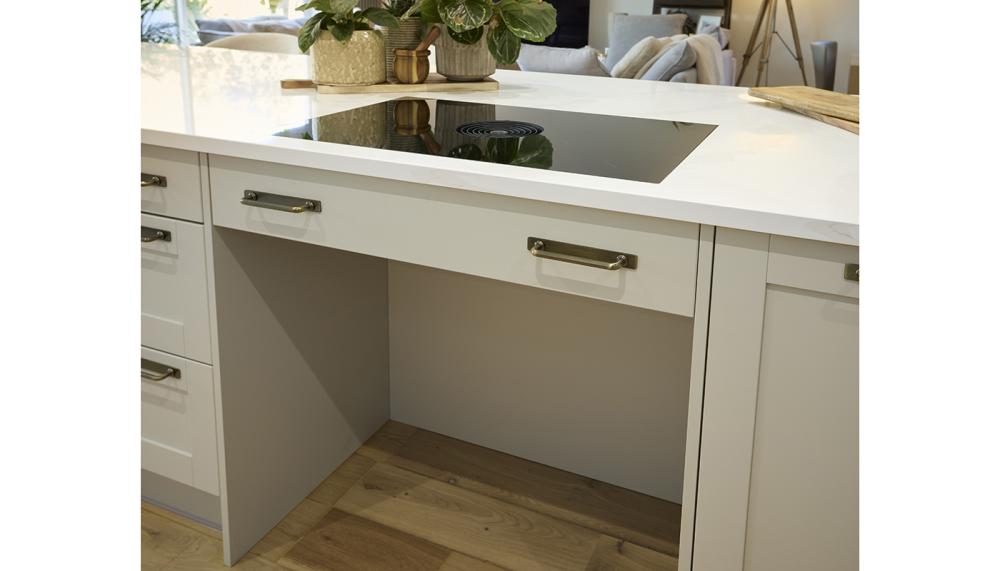
The key challenge was achieving full accessibility without adjusting the overall worktop height, ensuring the kitchen remained practical for the whole family while still feeling like a natural, well-balanced space.
Q: Are there any design elements that you’re particularly proud of?
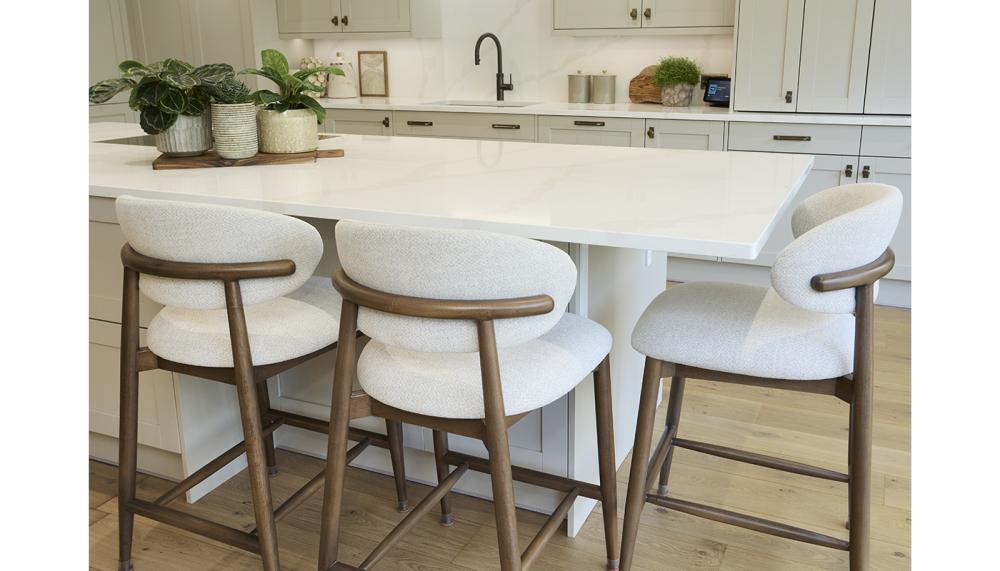
A: The bi-fold bar area – it’s both practical and visually impactful and works beautifully within the space. I’m also particularly proud of how the sink and hob areas have been resolved. These are typically the most challenging elements to adapt, so being able to integrate them in a way that feels natural and unobtrusive was a real achievement.
Q: What is the client's favourite part of the finished project?
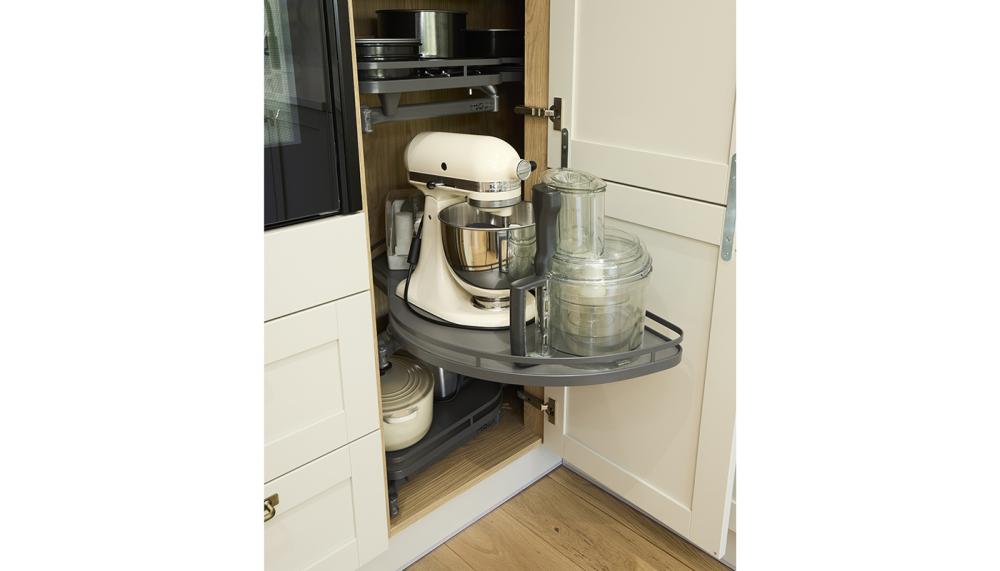
A: The island, which was a must-have from the outset. It allows the whole family to cook, prepare drinks and spend time together, while also enabling independent use and keeping everything centred around one sociable space.
Tags: kitchens, features, ashford kitchens, phil shelley, accessible design, inclusive design
Sign up to our newsletter
Most Read