Interview: Jamie Harding – 'People underestimate how much work goes into making a good kitchen'
Wed 8th Jul 2026 by Tim Wallace
Interview: Jamie Harding – 'People underestimate how much work goes into making a good kitchen'

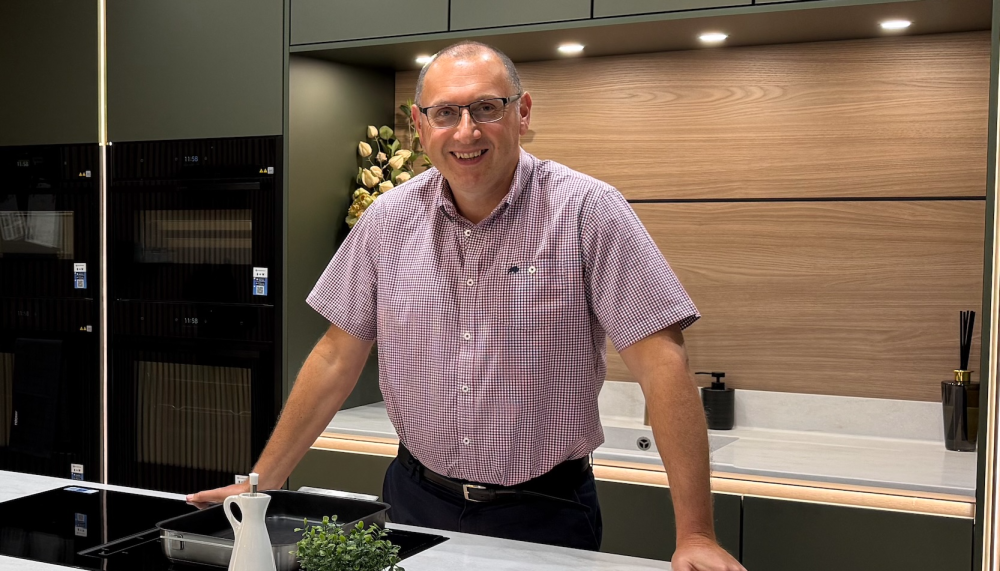
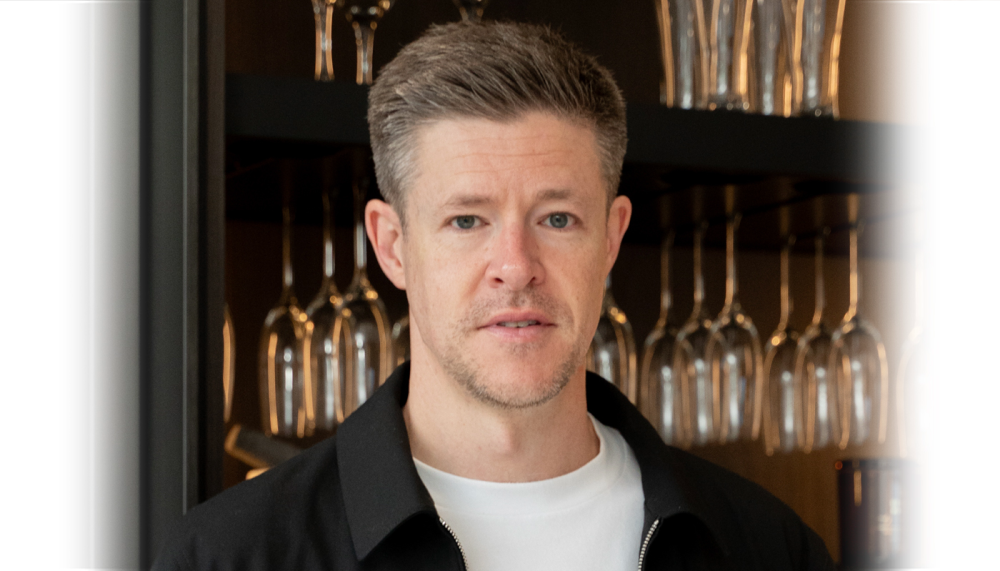
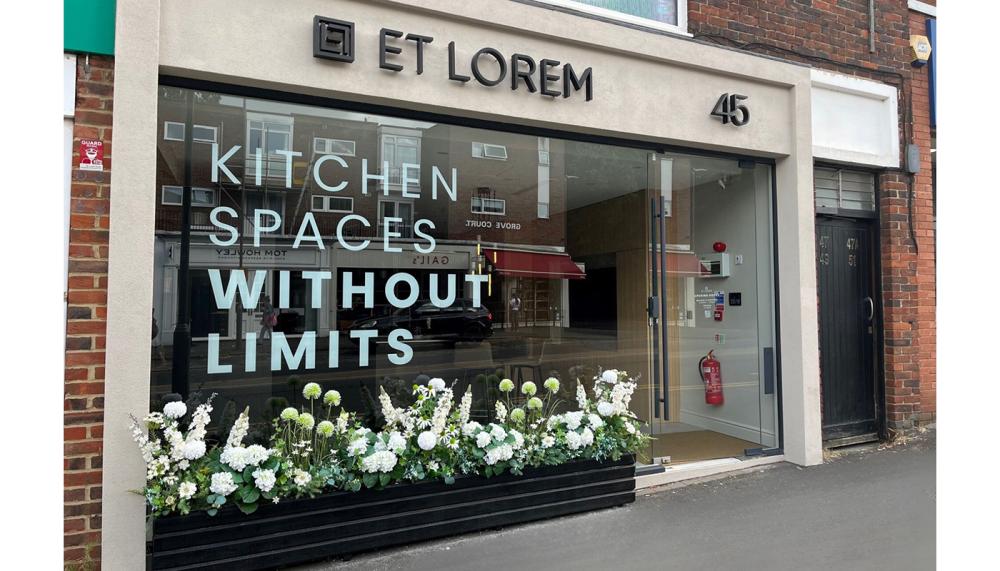
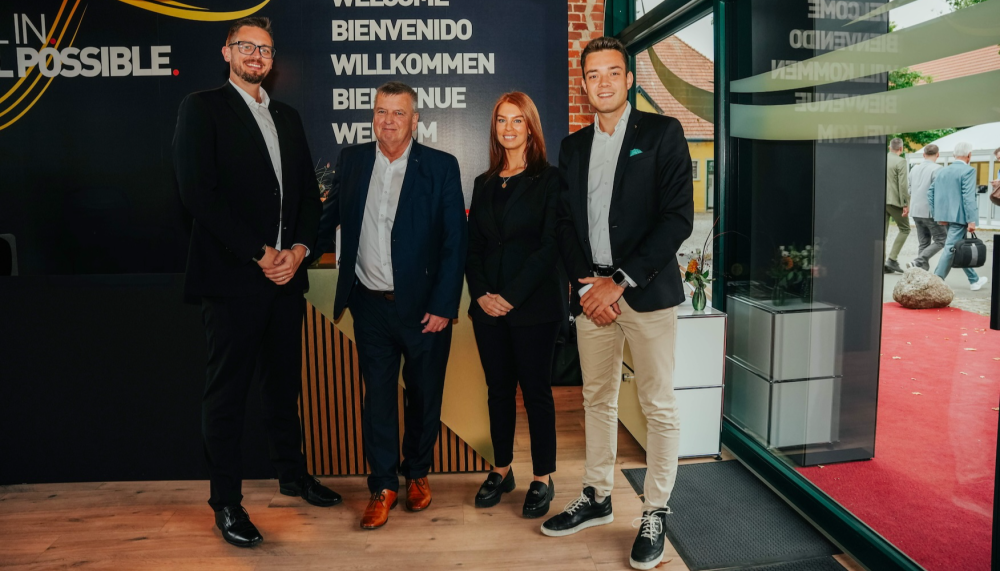
Jamie Harding, the MD of Reading-based kitchen retailer Et Lorem, tells Tim Wallace why consumers should focus less on headline prices and more on long-term value.
When KBBFocus last featured Jamie Harding nearly 4 years ago, Et Lorem was still finding its feet after launching during the pandemic. At the time, it was grappling with supply chain disruption, rising appliance costs and an uncertain market that left many independents on the back foot.
Since then, the business has continued to grow steadily, with turnover up around 17% last year. Supply chain pressures have eased, and in Harding’s view, pricing has now become the key challenge. Not just the numbers themselves, but the way they’re presented, packaged and ultimately misunderstood.
Pricing is a debate that has long divided the industry. From perpetual promotions and dubious ‘free’ appliance deals to increasingly savvy consumers comparing quotes online, it’s become as much about perception as product. And that, he argues, is where things start to go wrong.
BEHIND THE PRICE TAG
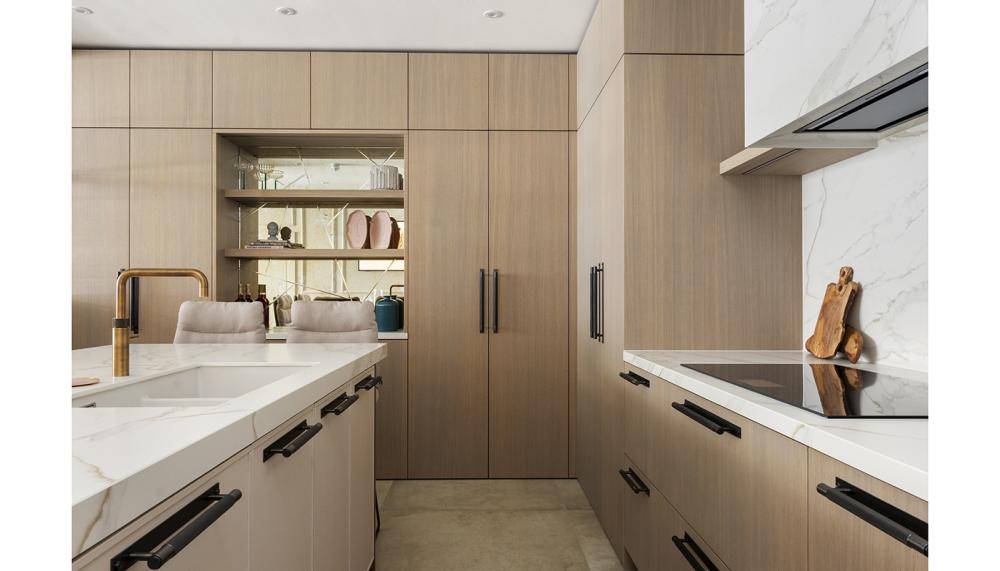
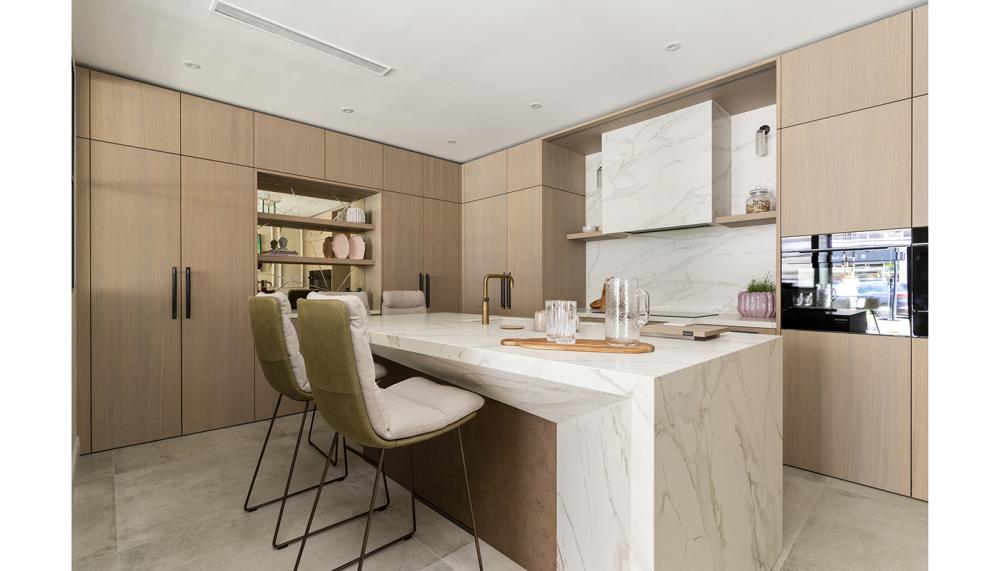
“People focus on the visible products and what they can see,” Harding explains. “They walk into a beautiful showroom and see beautiful presentations, but often they're not seeing what's behind the doors.”
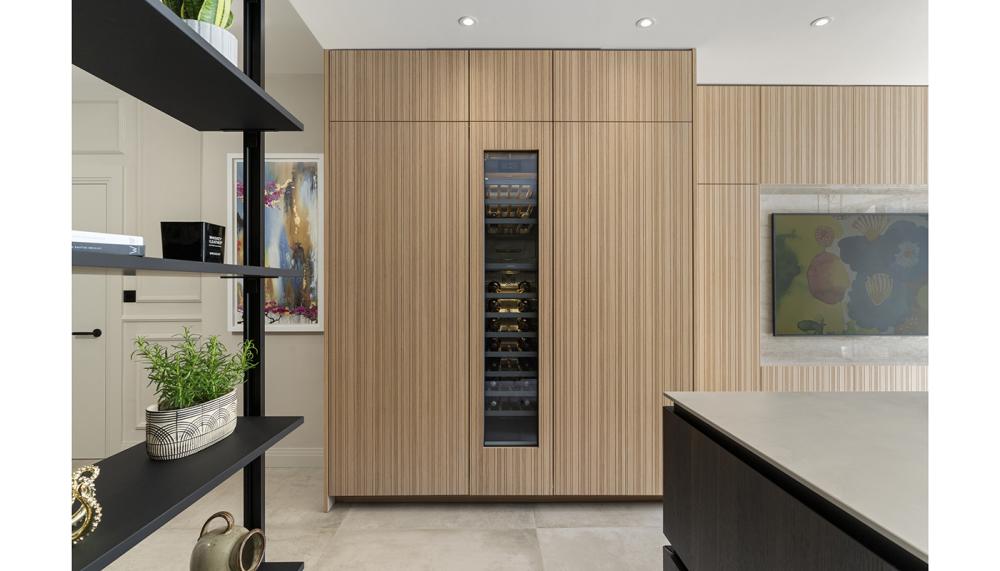
Underneath, he says, sits a complex mix of factors that customers rarely account for when they first start budgeting. Storage systems, material choices, installation standards, technical detailing and aftercare all contribute to the final cost. But most of it, he suggests, is invisible at the point of sale.
“The whole experience adds value,” he says. “It’s the design process, the technical detailing, the installation quality and the aftercare. I think people underestimate how much work goes into making a good kitchen.”
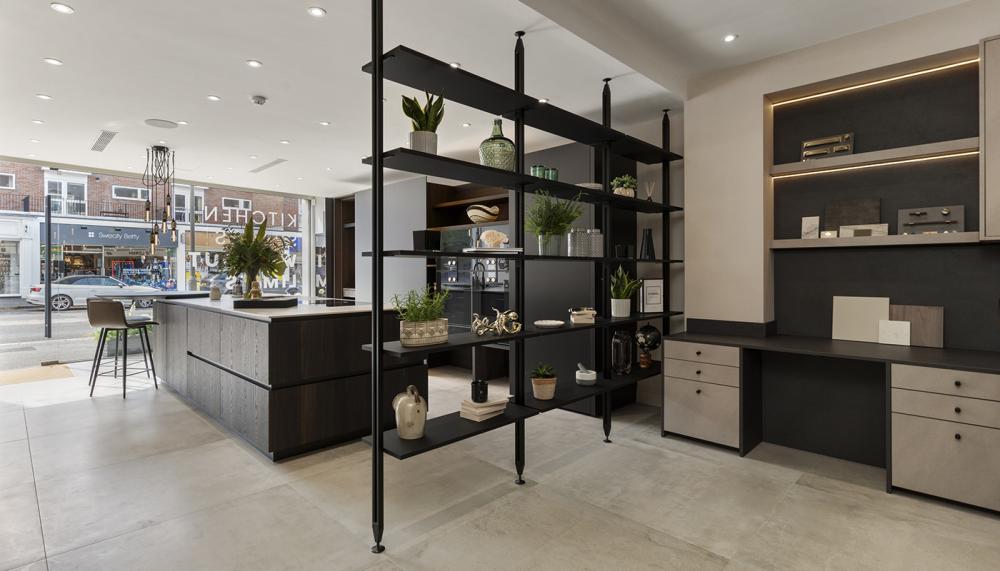
For Et Lorem, that combination of technical delivery and personal trust is central to how projects are sold and delivered. Consumers, however, are arriving at showrooms with more information than ever before. National chains, online platforms, social media inspiration and review sites all compete for attention before a customer even speaks to a designer.
“There are so many moving parts now,” Harding adds. “Technology, materials, trends, finishes; it’s a full-time job keeping up with everything. That’s part of our role. It’s about helping clients understand what’s available and what actually matters to them.”
That education piece extends into the budget, which is normally one of the most sensitive areas of any project. Harding reiterates that many homeowners underestimate the true cost of a renovation, focusing only on the kitchen itself while overlooking everything that surrounds it.
“People might budget £60,000 for a kitchen, but they’re not always thinking about the electrics, the plumbing, the flooring, the plastering, the decorating and all the preparation work that comes with it,” he says.
At £60,000, he says, a project can still deliver a high-quality result: solid cabinetry, reliable appliances and professional installation. But beyond that point, additional spend tends to be absorbed by bespoke design, higher-specification materials, complex detailing and greater architectural integration.
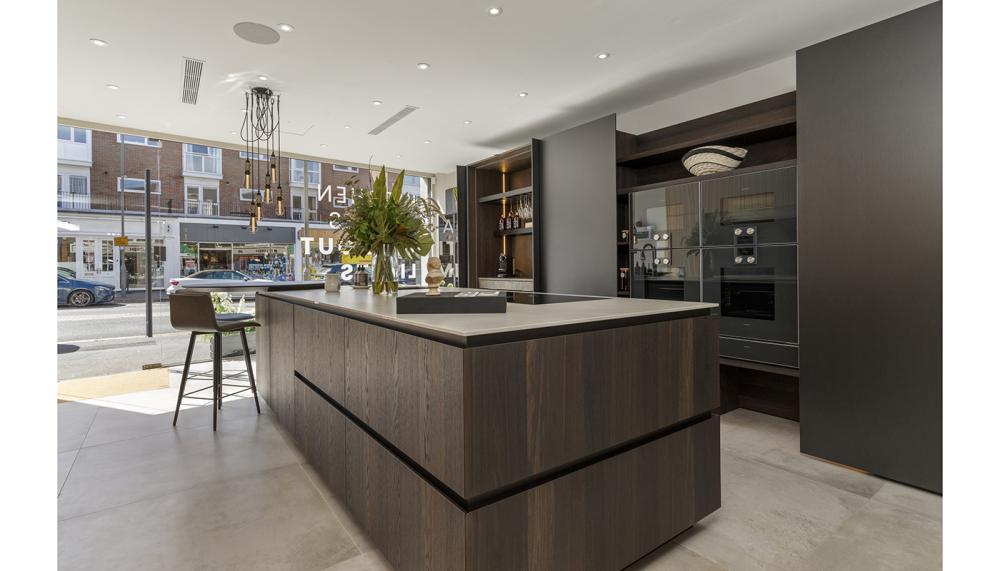
But he’s equally clear that higher price tags do not always mean better outcomes. Some premium finishes, he warns, add cost without necessarily improving durability or performance. Equally, filling cabinetry with accessories that look impressive on paper may not translate into real-world benefit.
“The key is investing in what genuinely improves the way the kitchen works, not just what sounds impressive,” he says.
Installation is a particular sticking point. “People are often far more interested in the aesthetics than how the kitchen is going to be fitted,” he says. “But the installation side is crucial. It's not just about technical skill either. It's about having people in your home that you can relate to and trust.”
DECISION OVERLOAD
Promotional pricing remains one of the most contentious areas of the market. Free appliances, limited-time offers and heavily discounted packages are still widely used across the sector. However, Harding is unconvinced by their transparency.
“Nothing’s free,” he insists. “There are still retailers offering free appliances and all sorts of incentives, but those costs have to sit somewhere.”
Consumers, he believes, are increasingly aware of this: “People have now got information at their fingertips and they’re doing far more research before making decisions.”
That shift is having a direct impact on how kitchens are sold. Sales cycles that once moved from enquiry to order in around 3 months are now stretching significantly longer as customers take more time to compare, challenge and reconsider.
“People are asking more questions and they’re much more considered in their decision-making,” he says. “They still want premium products, but they want to understand the value behind what they’re buying.”
Digital platforms have only intensified the pressure.
“As soon as someone starts looking at kitchens, they’re getting targeted by adverts everywhere,” he says. “They’re seeing different offers, different retailers, different products. It can become overwhelming.”
Rather than simplifying choice, the result is often the opposite: a sense of overload that makes comparison difficult and decision-making slower.
“They’re not just shopping around on price,” he says. “They’re trying to navigate a huge amount of information. Our job is to strip away that noise and understand what success actually looks like for that client.”
Et Lorem’s approach, he says, is built around exactly that principle. The business operates across retail, trade and developer sectors, supported by suppliers including Rotpunkt, Doimo Cucine and Masterclass. But regardless of project type, the intention is to offer clarity rather than complexity.
“If you’re trying to squeeze every last penny out of somebody, they sense that,” he says. “We’ve always worked with the mindset of doing what’s right for the customer and giving them the best advice we can.”
That approach, he adds, is both ethical and commercial. “If somebody feels you’ve genuinely looked after them, they’re much more likely to recommend you to friends and family,” he adds. In a market where trust plays a growing role in decision-making, that reputation has become a key driver of growth.
Despite widespread talk of a tough trading environment, Harding remains pragmatic about current conditions. “I think there’s plenty of business out there if you’re prepared to go and find it,” he says. That means less reliance on passive footfall and more emphasis on networking, relationships and proactive engagement with both trade and consumer audiences.
The debate continues around discounts, free appliances and price comparisons, but Harding believes the calculation is actually much simpler. “The real cost of a kitchen should be measured over its lifetime,” he concludes, “not just the initial spend.”
Tags: interview, features, et lorem, jamie harding, kitchens

Sign up to our newsletter