BLANCO's Tamsin Mills – Why people waste water and how to fix it
BLANCO's Tamsin Mills – Why people waste water and how to fix it
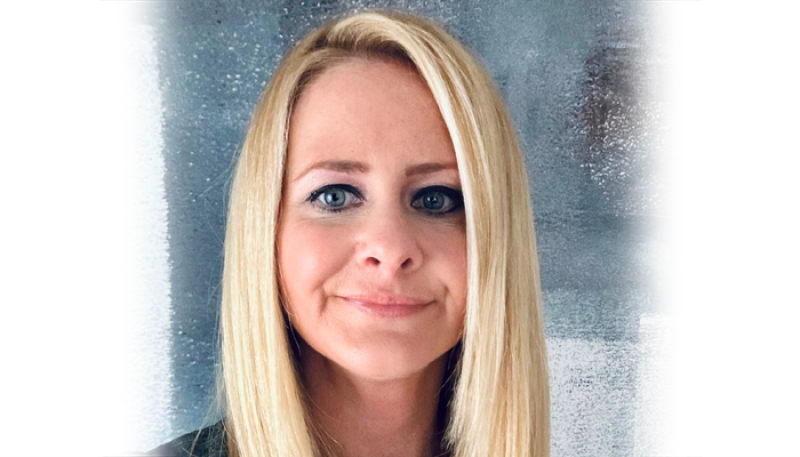
Water waste in the home is often treated as a behavioural issue that needs adjusting but many kitchens are not designed to support efficient everyday behaviour in the first place, says BLANCO UK's brand communications manager, Tamsin Mills.
With the average person in the UK using 142 litres of water per day and households routinely underestimating their consumption, there is growing focus on how kitchen design can support more efficient everyday behaviour.
In reality, convenience dictates how people use their kitchens. During busy daily routines, most consumers will naturally choose the quickest and easiest option, whether that means leaving the tap running while washing vegetables, repeatedly boiling the kettle or relying on bottled water, which carries a significantly higher resource and water footprint compared to in-home filtration systems. These actions are rarely intentional acts of wastefulness; they are often the result of friction within the kitchen itself.
This is where design becomes increasingly important. The most effective kitchens are no longer just visually appealing spaces, but spaces that help streamline everyday tasks and reduce inefficiency without requiring consumers to consciously change their behaviour.
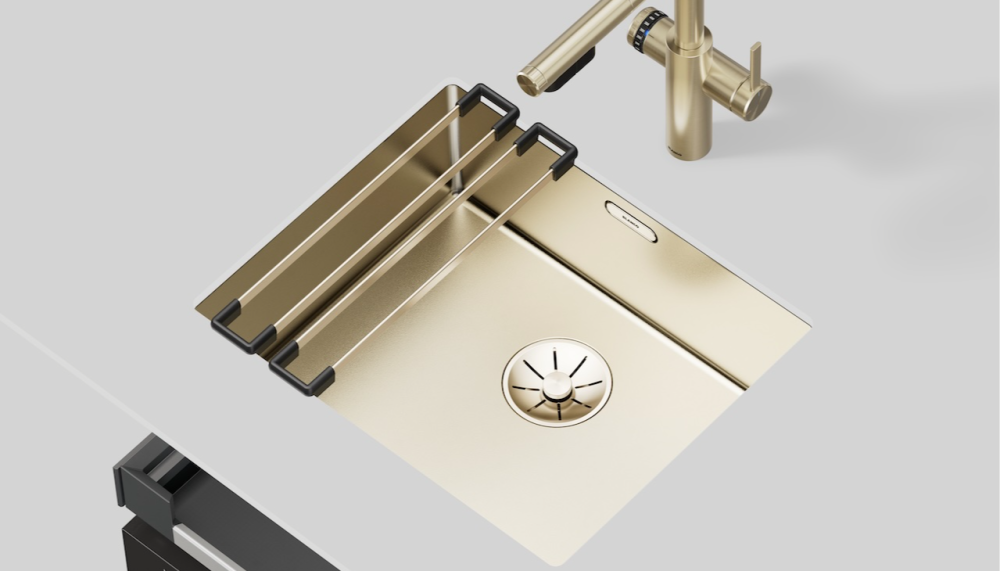
Workflow plays a significant role in this. Poorly organised preparation and cleaning areas can lead to unnecessary movement, clutter and wasted resources throughout the day. By contrast, integrated systems can simplify routines and make more sustainable habits feel intuitive. The BLANCO UNIT, for example, combines the sink, tap, waste management and under-sink organisation into one coordinated system. By improving functionality around the kitchen water place, it helps support smoother food preparation, cleaning and waste disposal in one centralised area.
Water delivery systems are also evolving in response to changing consumer expectations. Increasingly, homeowners want sustainability to work alongside convenience and design, rather than feeling like a compromise. The BLANCO CHOICE drinks system reflects this shift by delivering filtered cold, hot, boiling and sparkling water from a single tap. By reducing the need for bottled water, countertop appliances and repeatedly boiling kettles, it supports more efficient water use while fitting seamlessly into modern kitchen design.
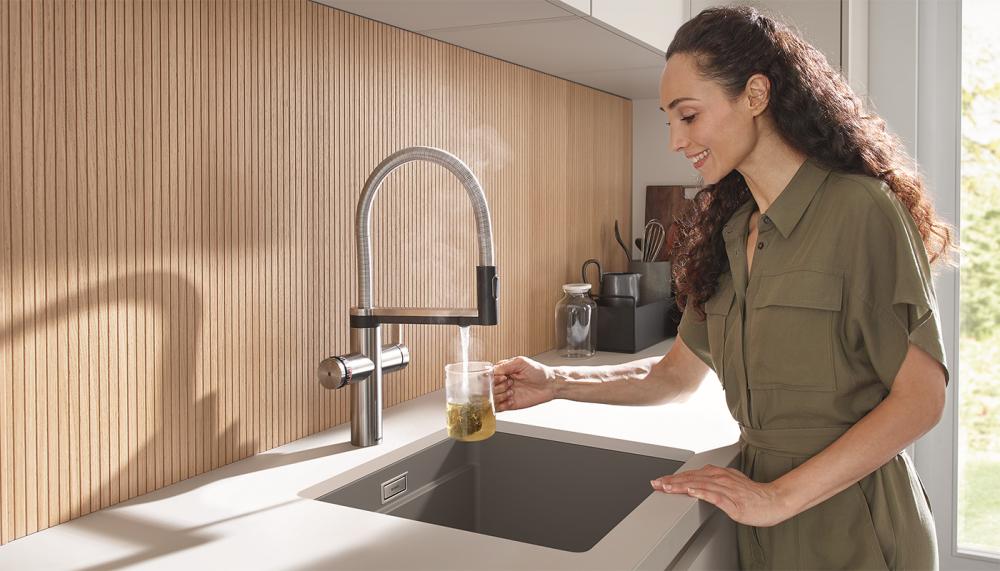
Behavioural change alone is rarely enough to tackle everyday water waste, particularly as many consumers underestimate their usage. Instead, product design can help remove friction from more efficient habits. The BLANCO CHOICE drinks system includes volume measuring, allowing users to dispense only the required amount of water, while automatic shut-off helps prevent taps running unnecessarily. Together, these features support more conscious water use without relying on consumers to actively change their behaviour.
CHOICE also incorporates intelligent safety functionality around boiling water delivery, helping to reduce the risk of accidental activation in busy kitchens while maintaining ease of use. Alongside this, the system automatically switches off when not in use, helping to prevent unnecessary water flow and further supporting efficient everyday use.
Products that require major lifestyle changes are often difficult to sustain long term. The most successful innovations instead work quietly in the background, improving efficiency and helping consumers make better choices without disrupting daily routines. This reflects a wider shift in kitchen design, moving away from spaces driven purely by aesthetics and aspiration toward ones that support the realities of modern life - multitasking, flexible working, family routines and growing sustainability expectations - with greater focus on functionality, workflow and intuitive integration.
Ultimately, reducing water waste is not simply about encouraging consumers to be more disciplined. It is about creating kitchens that naturally support better habits through thoughtful design. The future of kitchen innovation lies in understanding real human behaviour and designing spaces that work with it, rather than against it.
Tags: insight, features, blanco, tamsin mills, kitchens, taps, water efficiency, sustainability

Sign up to our newsletter