Bathroom suppliers and the race to the bottom: Darren Allison on creating value beyond price
Bathroom suppliers and the race to the bottom: Darren Allison on creating value beyond price
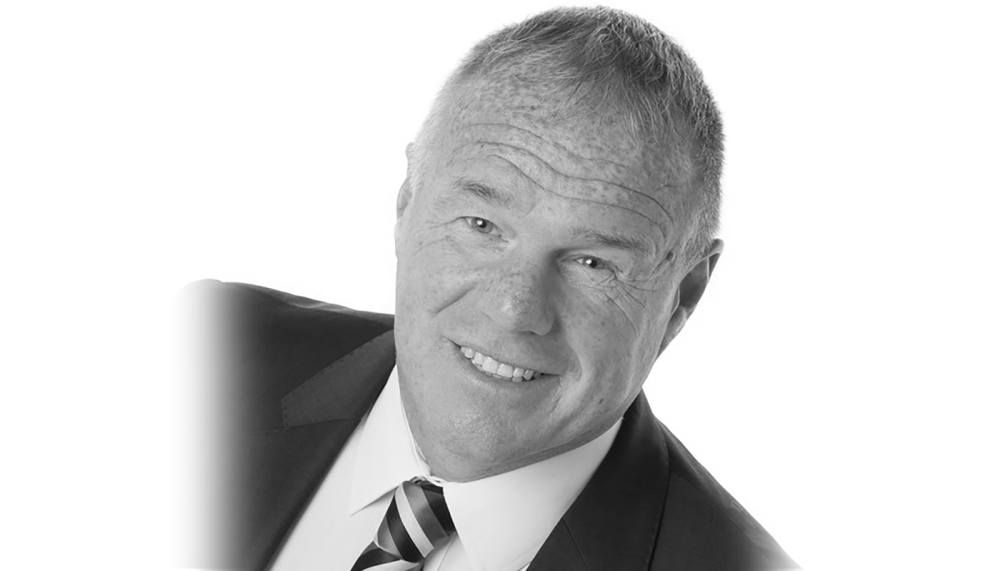
The market may be tough, but suppliers must consider alternative ways to add value without simply dropping the price of products, says Darren Allison, MD at Frontline Bathrooms.
There is no getting away from the fact that customers are watching what they spend more closely. They are taking longer to make decisions, comparing more prices and, in many cases, starting renovation projects with less money than they were a year ago. That pressure is being felt right through the bathroom and wider KBB market. Budgets are tighter and retailers are having to work harder to get customers over the line.
So, I understand why price becomes the obvious place to go when business is harder to win. Put an offer on. Give the retailer a better deal. Take some money off the brassware. Protect the sale.
We have all done it. The problem comes when that becomes the main answer to a difficult market. If every supplier is chasing the same customer by taking a bit more off its products, we have not necessarily created any extra demand. We may simply have sold the same number of bathrooms for less money.
I am not arguing against promotions or competitive pricing. There will always be times when a deal makes commercial sense. But value and discount are not the same thing.
If we develop a tap and say it is worth £300, there should be a good reason why. The design, finish, quality, warranty and support around it have to justify that price. If we then spend most of the year finding different ways to sell it for £250, eventually the retailer and customer are entitled to question what it was really worth in the first place.
That is where I think suppliers need more discipline. When something is not selling, price is the easiest thing to blame. Sometimes the price will be wrong. But sometimes we have bought the wrong product, stocked too much of it, failed to explain it properly or not given the retailer enough reason to sell it.
Discounting can hide those problems without fixing them. I would rather we asked some harder questions first. Is the product genuinely different? Is there a clear reason to recommend it over the one next to it? Does the retailer understand where it sits in the market? Have we made it easy to sell and can they get hold of it when they need it?
If not, another 10% off is unlikely to solve the underlying problem. Customers may be more price-conscious, but they have not stopped caring about what they buy. They still want a bathroom they like, products that will last and confidence that they are spending their money in the right places. Suppliers need to give retailers enough substance behind the product to have that conversation.
That becomes even more important when the same products are available through several different businesses. Customers can compare a model number and price in seconds. We cannot complain about that. It is simply how people shop now.
It does mean genuine differentiation matters more. Exclusive and own-brand ranges can help, but only if the difference is real. Putting another name on a generic product is not enough. There still needs to be something worth selling, whether that is the design, finish, specification, functionality or simply a range put together intelligently at a price the customer can afford.
A new brassware collection cannot just be another set of taps in the same finishes as everybody else with a promotion attached. If that is all we have done, we should not be surprised when price decides the sale. The support behind the product matters too. If a retailer recommends something, they are putting their own reputation behind it. They need confidence that it will arrive, the quality will stand up and somebody will sort the problem if something goes wrong.
All of that costs money. So does holding stock, developing new products, training people and supporting showrooms. We cannot continually remove margin from products and assume none of those things will eventually be affected.
That does not give suppliers an excuse to be expensive. We should be looking just as hard at our own costs and taking unnecessary expense out of the business wherever we can.
But that is different from assuming every difficult sale needs another discount. The market is tough and everybody wants to win the business that is available. We are dealing with exactly the same pressures.
But if the only way we can move a product is by reducing its price, I think we need to look harder at the product and what we are putting behind it. Price will always matter. It just cannot be our answer to everything.
Tags: insight, features, darren allison, bathrooms, frontline bathrooms, discounting