Daniel Boulton: British craftsmanship must remain commercially relevant

Daniel Boulton: British craftsmanship must remain commercially relevant
Traditionally made products such as fireclay sinks can command a certain price tag, says Daniel Boulton sales & procurement director at Clearwater – but at what point do customers back away?
There is a great deal of interest in where products are made, particularly when they involve traditional British manufacturing skills. Provenance matters, but for retailers there is another equally important consideration. Does the value attributed to that provenance continue to make commercial sense?
Recent changes within the fireclay sink market have brought that question sharply into focus.
British-made fireclay sinks have always commanded a premium over imported alternatives. That is understandable. Skilled labour, specialist manufacturing expertise and the time involved in producing and finishing each sink all have a genuine value. However, the size of that premium matters.
The challenge is ensuring that premium remains proportionate and understandable to the customer. A British made product needs to offer more than provenance alone. Its craftsmanship, quality and commercial positioning must come together in a way that retailers can explain with confidence and customers can recognise as good value.
Maintaining that balance protects the value of British craftsmanship while keeping it accessible to the customers who want it.

Retailers need a proposition they can sell
Retailers cannot look at cost increases in isolation. They must consider the effect on their own margins, the final selling price and whether the customer will still see sufficient value in the product.
When an established product moves to an entirely different price point, it is reasonable for retailers to reassess the options available to them. Every manufacturer must determine its own pricing strategy, but retailers must equally decide whether that strategy remains right for their business and their customers.
The question is not simply whether a sink is British made. It is whether the craftsmanship, quality, service, availability and selling price combine to create a proposition that works throughout the supply chain.
A product needs to offer the retailer a sensible margin, give the customer a clear reason to choose it and remain at a price that can be supported in the showroom. If any of those elements fall away, even a well-established product can become increasingly difficult to specify and sell.

Keeping British manufacture within reach
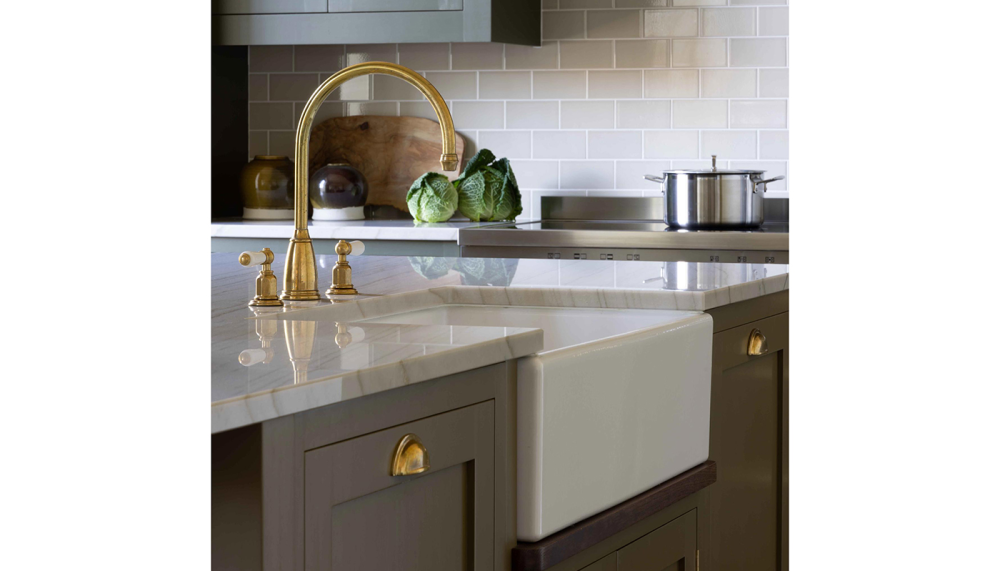
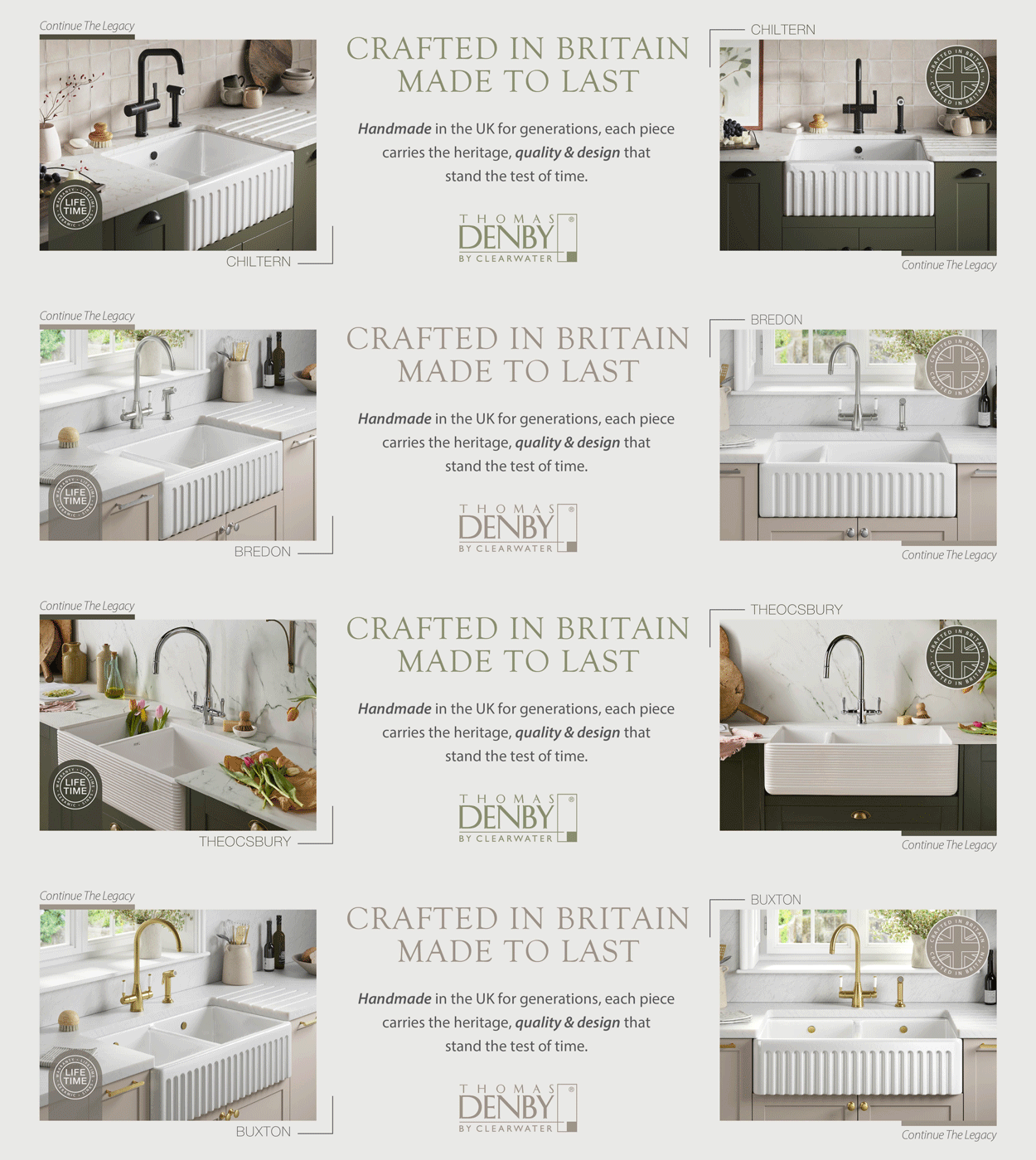
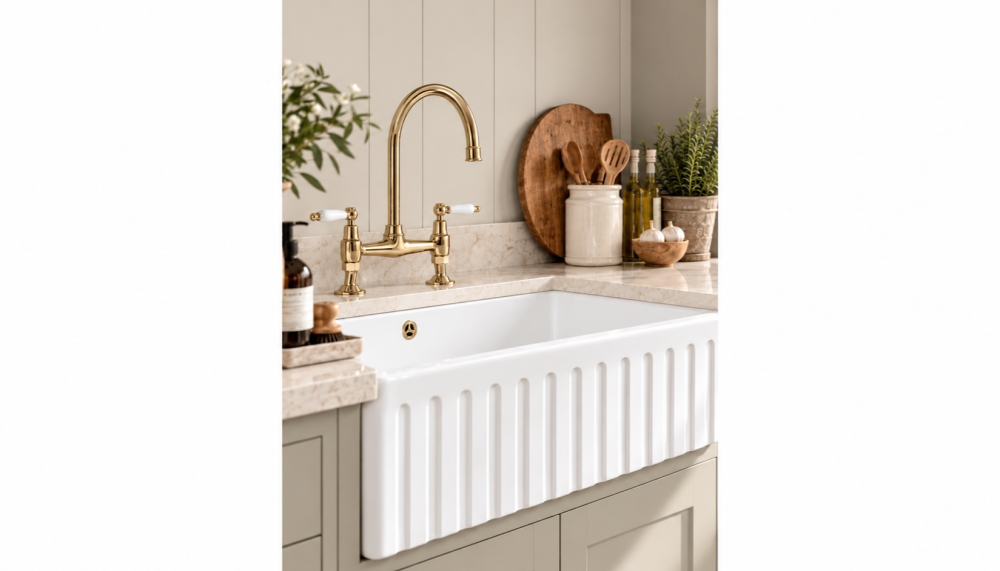
Our Thomas Denby British Classics collection is handmade and individually hand finished in the UK. It preserves the traditional manufacturing skills and specialist knowledge that give British fireclay sinks their distinctive character.
The collection sits within Thomas Denby by Clearwater and has been developed to provide retailers with an attainable British made option. It offers a meaningful step up from an imported ceramic sink without moving the customer into a price bracket that places traditional British craftsmanship beyond their reach.
That distinction is important. British manufacture should carry a premium, but the premium must remain proportionate to the value the retailer and customer receive.
The British made story also gives retailers something valuable to discuss in the showroom. Dimensions, bowl depth and installation options are important, but they do not always create an emotional connection. The knowledge that a sink has been handmade and finished in Britain using the same methods generation after generation gives the customer a stronger sense of authenticity, individuality and longevity.
It turns the conversation from specification alone to the people, skills and processes behind the product.
Value extends beyond the product
Retailers also need confidence in the business supplying them. Product quality is fundamental, but so are availability, responsive service, aftersales support and a pricing structure that allows everyone involved to operate profitably.
A strong supplier relationship recognises that the retailer must be able to make a sensible return. It also recognises that customers have limits to what they are willing to justify, regardless of the heritage attached to a product.
Ultimately, preserving British manufacturing depends on continued demand. Heritage may create interest, but it is retailers specifying the products and customers choosing them that keep traditional skills in use.
When British-made products combine craftsmanship with quality, service and commercial relevance, they have a strong place in the kitchens of the future.

Tags: insight, features, daniel boulton, clearwater, fireclay sinks, sinks, kitchens