Interview: Alex Jenman of Gainsborough Kitchens on beating the big chains
Mon 1st Dec 2025 by Tim Wallace

Interview: Alex Jenman of Gainsborough Kitchens on beating the big chains

Gainsborough Kitchens stays ahead of national competitors by combining quality furniture with bespoke design – director Alex Jenman tells Tim Wallace why the business continues to grow in a challenging market.
For more than a quarter of a century, Gainsborough Kitchens has been a fixture in the heart of its Lincolnshire market town – a constant presence through shifting trends, supplier collapses and economic uncertainty. Director Alex Jenman admits that steering an independent retail business through such a landscape demands not just design flair but resilience and adaptability.
“We’ve been in the same spot in Gainsborough for 27 years,” he says. “People still come in and say, ‘I didn’t know you were here!’ But that’s the nature of this business. You’re invisible until someone needs a new kitchen.”
Gainsborough Kitchens’ story mirrors that of many independent retailers who’ve weathered the evolution of the KBB market. The company’s latest headache, for example, has been adjusting to the demise of distributor Waterline.
“It was a real shock,” Jenman admits. “We had a great relationship with their former regional sales manager Steve Flynn. You think to yourself, if Waterline can go, who’s safe?”
But Jenman remains confident that his diverse brand portfolio will keep the company well-positioned in the local market. The retailer’s key furniture partnerships are with Laura Ashely, Symphony and Masterclass, each playing a distinct role in the showroom’s appeal and positioning.
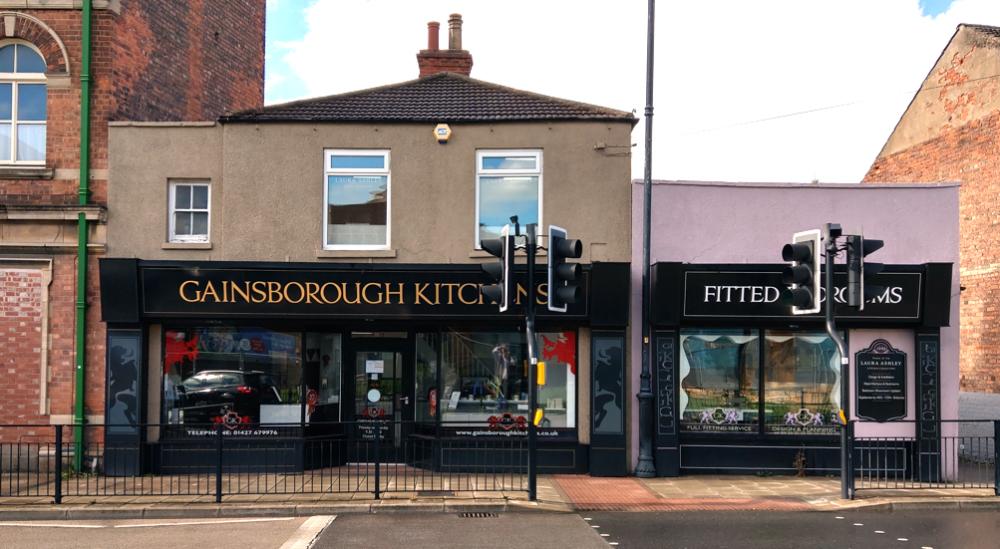
“About a quarter of our showroom is now dedicated to Laura Ashley,” Jenman explains. “The brand brings people in; it’s aspirational, it’s recognisable, and it allows us to talk about quality and design detail in a way customers understand.”
For Jenman, Laura Ashley is more than just another product line; it’s a strategic anchor that shapes how the showroom presents itself. The designs, finishes, and colour palettes are instantly identifiable, which makes them a powerful conversation starter for clients navigating the vast array of kitchen options. This recognisable, aspirational positioning helps Gainsborough stand out in a market where he admits he’s competing against national chains. It also complements the company’s focus on bespoke design and personal service.
The mix of brands are chosen pragmatically for how they suit individual projects rather than any single supplier allegiance: “We tend to cherry-pick the best fit for each client,” Jenman explains. “No one brand covers everything, and as a designer, that’s part of the fun.”
The average project cost sits around the £25,000–£30,000 mark, where customers are increasingly cautious but still willing to invest for the right result. Turnover currently is around £1m, a steady figure that reflects both the company’s strong local reputation and the cautious consumer mood.
“You’ve got to offer what the multiples can’t,” Jenman smiles. “They can compete on price and promotion – we can’t. What we can do is design something that really fits the space and the client.”
He’s candid about the challenges of converting interest into confirmed orders, particularly in a market where the Autumn Budget has been front of mind.
“It’s definitely harder to get sales over the line right now,” he admits. “You hear people say they’ll ‘save’ on the worktops or fit it themselves, but that’s where the project can really fall down.”
Customers are better informed and more demanding, he adds, but also more price-sensitive: “Everyone’s cutting corners somewhere. We’ve had people come in after visiting 3 or 4 other showrooms, waving Howdens quotes around. You have to explain why your design costs more – the project management, the service, the aftercare – but it’s not always an easy conversation.”
He sees AI as one of the biggest upcoming disruptors to the retail landscape – alongside the steady levelling of showroom quality between independents and larger groups.
“The multiples are getting better at presentation,” he notes. “You can walk into a Wren or Magnet showroom now and see the same sort of product styling you’d expect from an independent.”
The ability to educate customers, he believes, is what sustains the independent sector. Yet he’s realistic about how hard it can be to communicate value in a crowded marketplace.
“I’m often amazed people don’t see the difference for themselves,” he says. “But unless you’ve been through a kitchen project before, you don’t know what to look for. We get the customers who’ve had something go wrong elsewhere – they come back and realise why we do what we do.”
The industry has been having the same tired argument over whether to charge for design for years, but Jenman admits the reality is shaped by local competition.
“We still come across Howdens more than anyone else,” he says, “and when customers are comparing a free design with a paid one, that’s a tough sell.”
He’d like to see the KBSA play a stronger role in setting professional standards, enabling retailers to justify charging for design as a recognised, credentialled service.
“If we were treated like architects – where your expertise is respected and paid for – that would change the whole dynamic,” he says.
While kitchens remain at the core of the business, bathrooms continue to play a smaller, complementary role. The company briefly stepped away from bathrooms before reintroducing them around a decade ago – now managed by a dedicated specialist, allowing Jenman to keep his focus firmly on the kitchen side. He also recognises the need to maintain visibility in a digital-first world. The company invests modestly but strategically in local advertising and online channels.
“We do a bit of print advertising, but most of it’s Google Ads and social media now,” he explains. “It’s not about going viral – it’s about being searchable.”
Word of mouth remains strong, but he acknowledges that today’s customers still want to see active social media feeds and reviews before committing. Technology is both a tool and a challenge. The business uses Cyncly’s software suite for design and quoting, and Jenman is enthusiastic about its potential – if only retailers had more practical support.
“The technology’s there – it’s amazing what it can do,” he says. “But someone needs to show us how to use it properly. A lot of independents are too small to have someone sit and learn it full-time.”
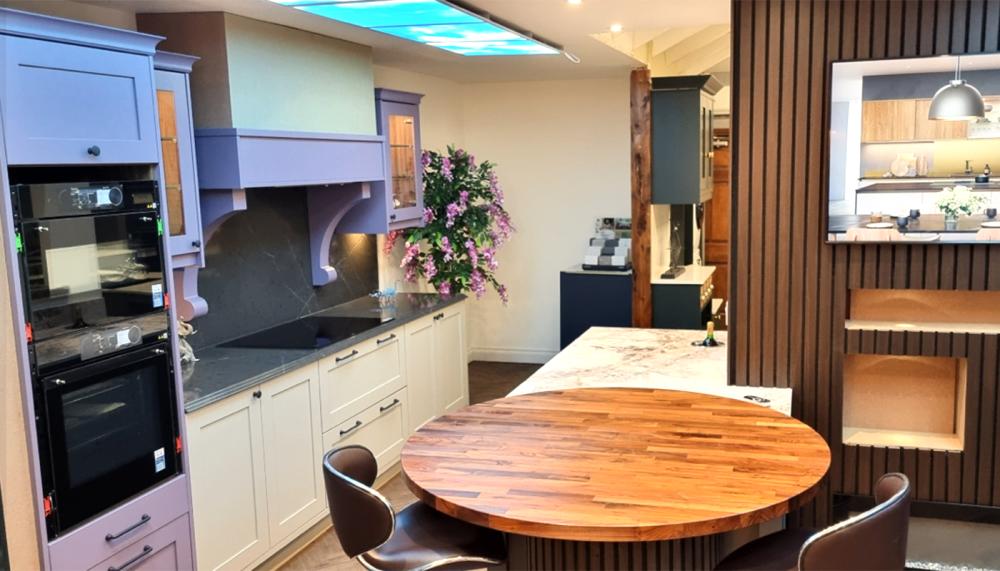
Despite the challenges, Gainsborough Kitchens continues to evolve. The business is currently expanding its showroom footprint, adding 7 new displays and repurposing warehouse space to reflect changing customer tastes.
“When I started, we had maybe 10 small kitchens on display – it was all about showing the product,” he says. “Now it’s about showing ideas, layouts and flow. Design is what sells.”
The expanded displays will bring the total to around 20 full settings, with more contemporary styles joining the existing traditional painted collections.
“We’ve realised we need more handleless and modern displays,” he says. “The expansion gives us the chance to do that properly.”
A newer development is Gainsborough Kitchens’ collaboration with a local interior design company, offering consultations that extend beyond cabinetry into lighting, accessories and finishing touches. He doesn’t foresee a move into furniture retail or whole-home refits, but there’s growing potential in 'kitchen-adjacent' spaces such as lounges and utility areas.
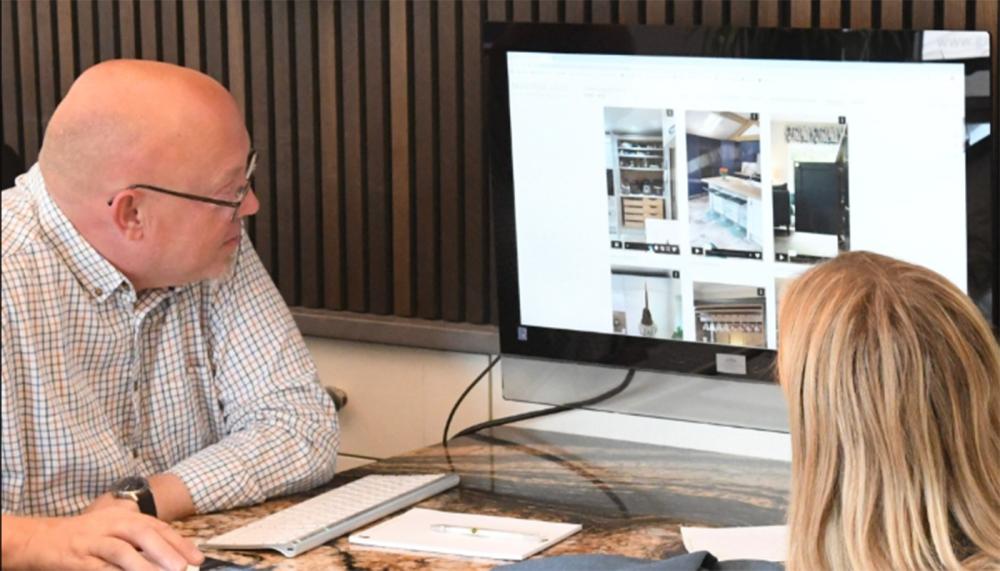
“You have to know where to stop,” he laughs. “Expansion sounds great until you realise it means more staff, more management, more stress. I’d rather do what we do already, but better.”
As the conversation turns to the future, Jenman’s outlook is pragmatic but quietly optimistic. Having once tried opening a second showroom – and quickly decided it wasn’t for him – he’s focused instead on consolidation, efficiency and continual improvement. Longer-term, Jenman’s ambitions are simple: to refine, to improve, and to keep enjoying the design process that first drew him to the industry.
“I’ve been doing this since I was 19,” he says. “I still love the creative side – taking a space and making it work. If we can keep doing that, while helping customers see the value of what we offer, I’ll be happy.”
Tags: interview, features, gainsborough kitchens, alex jenman, kitchens
In Other News


Sign up to our newsletter
Most Read