How consumers are discovering the versatility of warming drawers
Thu 15th Jan 2026 by Lisa Hibberd
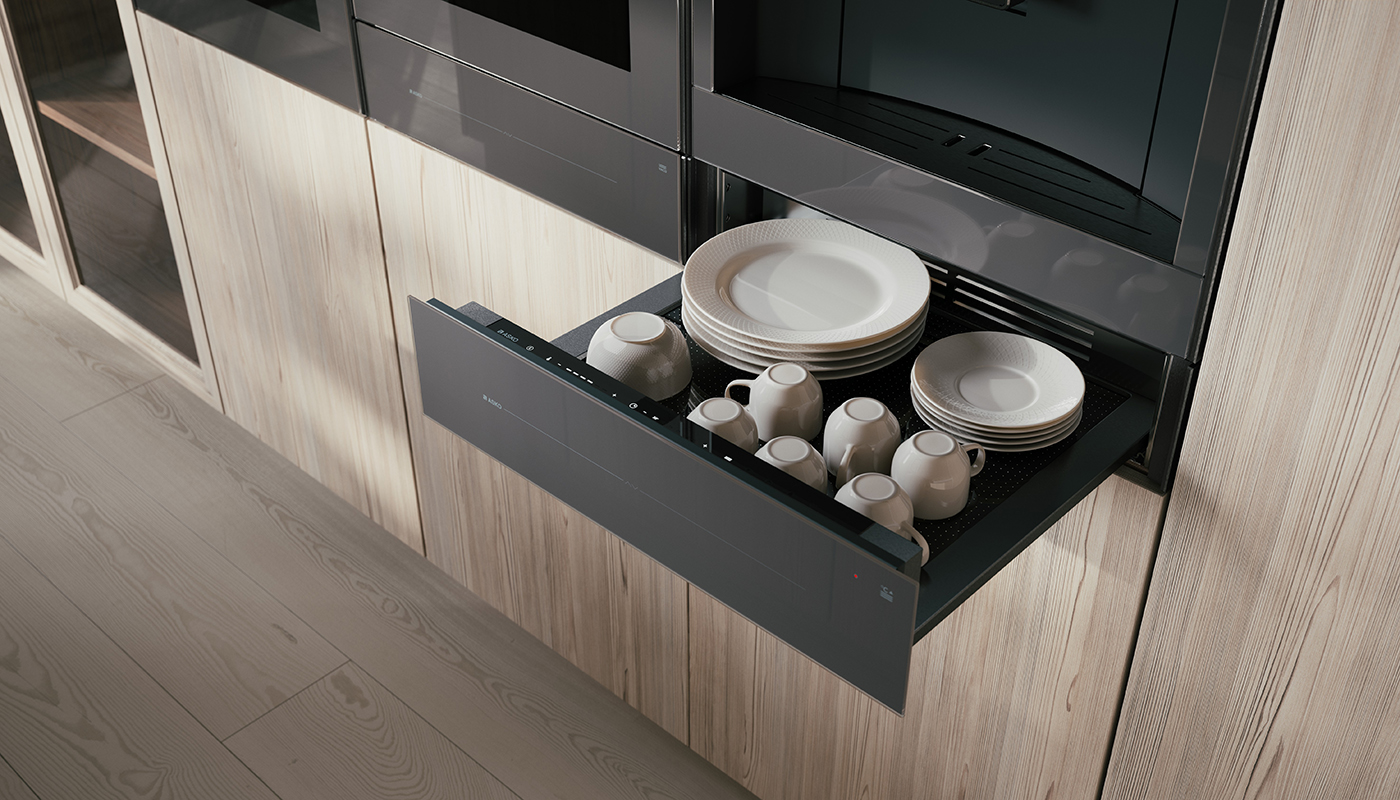
How consumers are discovering the versatility of warming drawers

With sales of warming drawers on the rise, Lisa Hibberd looks at the latest products and what’s behind the trend with the help of some insider knowledge from industry experts.
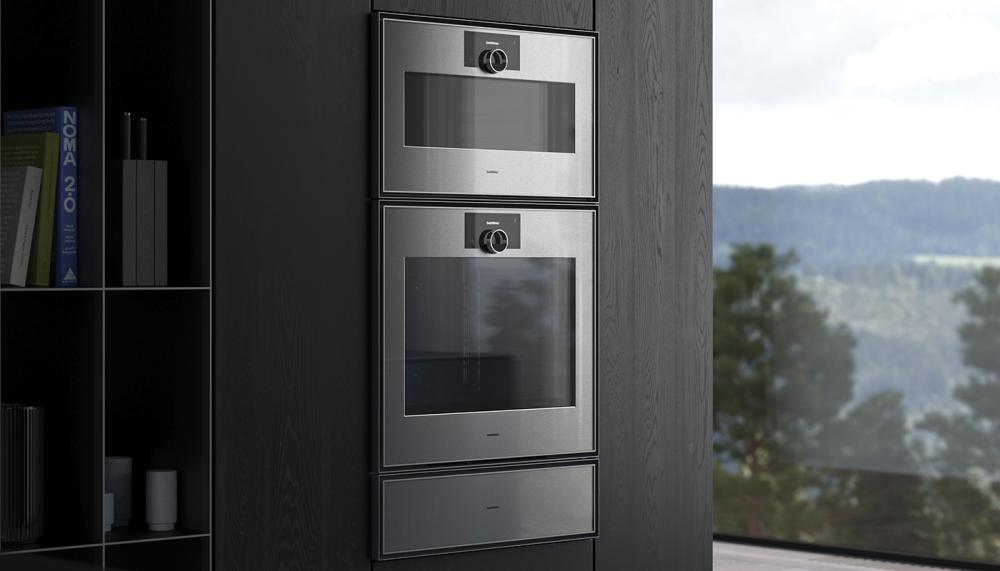
“Kitchens are always evolving, and that includes the appliances within,” explains Simon Plumbridge, Gaggenau director, UK&I. “The first warming drawer was built back in the 1950s and was primarily used for plate warming. This appliance has changed as family life has evolved. With people working different hours, kids out at activities, and some families having help to manage the household, appliances need to provide flexibility. Consumers needed warming drawers to deliver more.”
According to Chris Gallagher, sales director at Franke, warming drawers are popular because they are an easy addition to the kitchen footprint, combining discreet convenience with a touch of luxury. “We’ve seen an uplift in interest and sales for our warming drawers as part of an appliance sale and the general desire to have built-in solutions that make meal timing and serving simpler and easier. They’re perfect for family suppers, modern entertaining and multi-course meals.”
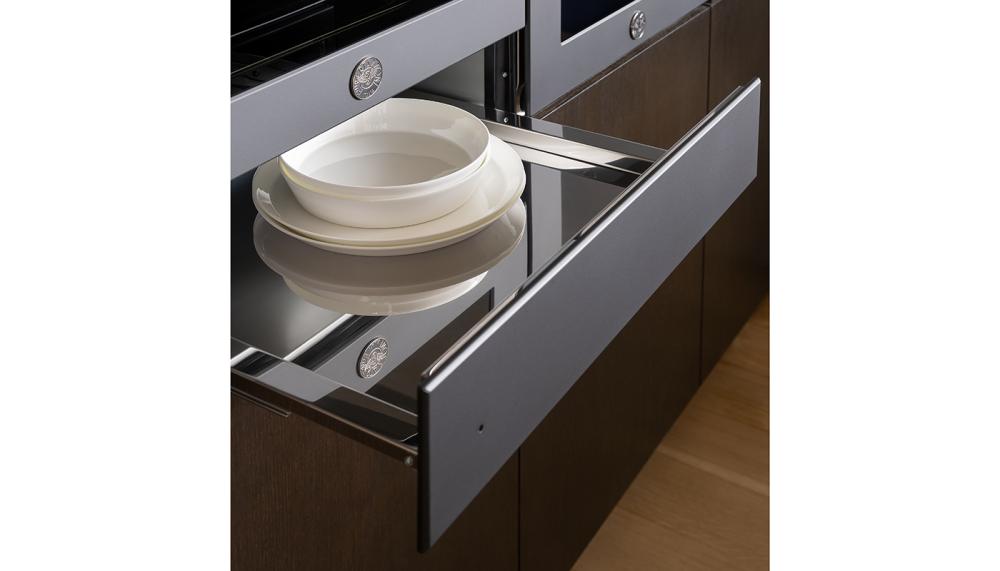
So what is behind the increase in sales of warming drawers? "At Miele, we’ve seen strong double-digit year-on-year growth in our warming drawer category,” adds Dan Young, cooking category manager at Miele GB. “This indicates that retailers are also benefiting from increased demand. Part of this is simply a reflection of improved trading conditions over the past year. There’s also better awareness and knowledge among both retailers and consumers about the benefits of warming drawers. Kitchen design trends are also playing a key role. Designers are increasingly creating appliance stacks including warming drawers to make efficient use of space and enhance the aesthetic and functionality of the cooking zone."
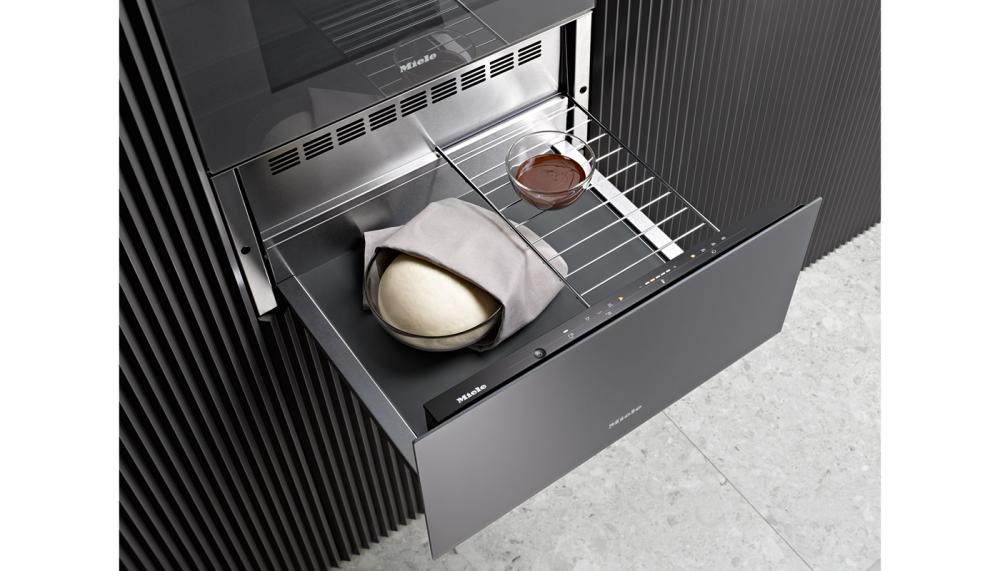
“Warming drawers do much more than just heat plates and keep food warm, although that’s still the main reason that consumers buy them,” reports Chris Gallagher, sales director at Franke. “They are also ideal for defrosting, proving dough and gently warming food up, making them useful throughout meal preparation and not just at serving time.”
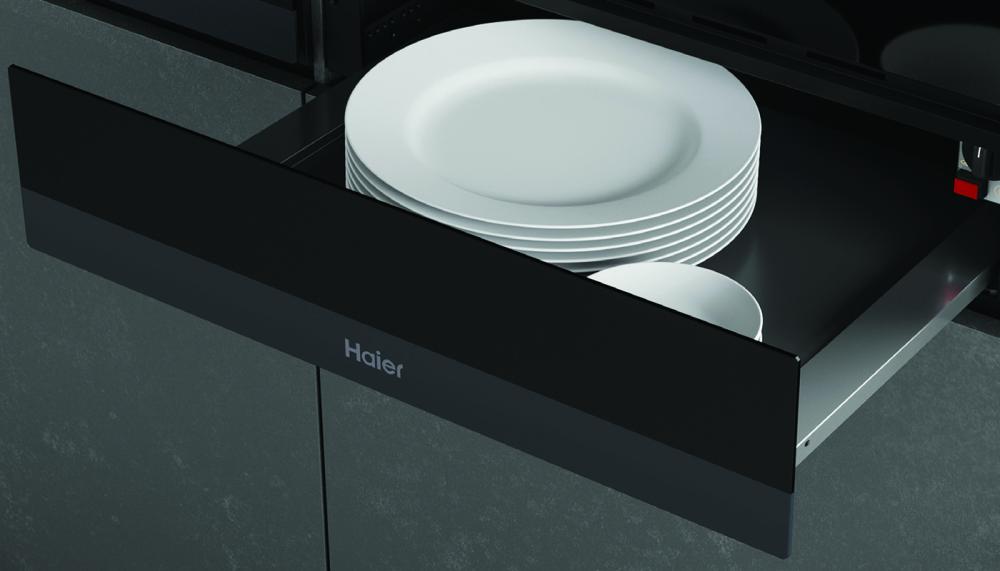
Some warming drawers allow the user to adjust the humidity as well as the temperature, creating the optimum conditions for particular foods. Steamed vegetables, for example, are better suited to a more moist setting, while crispy foods, such as fried chips, will benefit from a lower humidity.
“Warming drawers pack a lot of punch without taking up a lot of footprint,” adds Chris. “Being built-in and slimline, they can be easily integrated beneath ovens or combi microwaves, boosting functionality while also being discreet. That kind of flexibility is highly attractive for both everyday cooking and entertaining.”
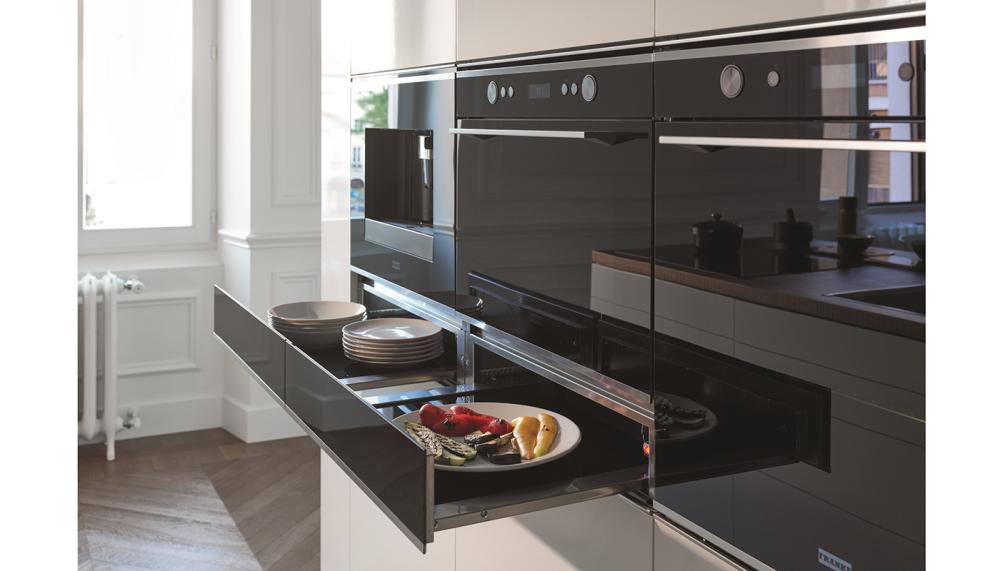
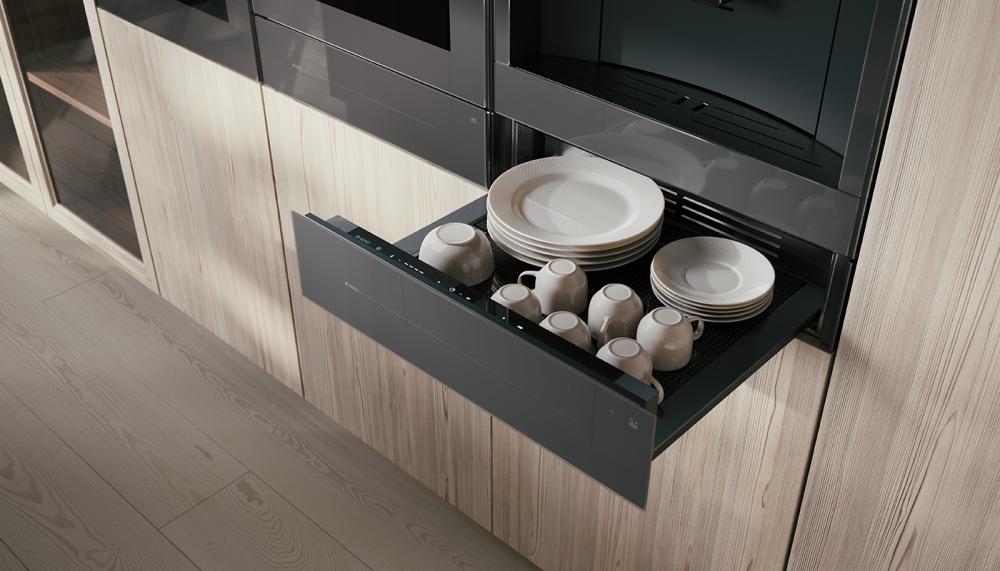
Although traditionally designed for heating plates, warming drawers now offer a wide range of additional features and functions, making them a flexible addition to a kitchen. Consumers value versatile, multifunctional appliances that can be used creatively, and warming drawers now offer a variety of features that are really capturing their attention. Andy Cummings, BORA country manager – UK, explains: “The all-purpose BORA Multi-Drawer, for example, can be used in numerous ways with pre-set programmes that makes cooking even easier. As well as pre-heating crockery, it is designed for low-temperature cooking, keeping food warm, plus defrosting and regenerating food.”
Design has also been prioritised by manufacturers such as BORA, which is giving designers more freedom to customise and co-ordinate warming drawers with larger appliances and kitchen furniture. “For example, the handleless BORA Multi-drawer is available with or without the black glass fascia, which perfectly matches the elegant BORA X BO steam oven,” adds Andy. “However, for those that don’t want to make a design feature out of their appliances and prefer to have them to blend seamlessly into their kitchen furniture, it can also be fully integrated.”
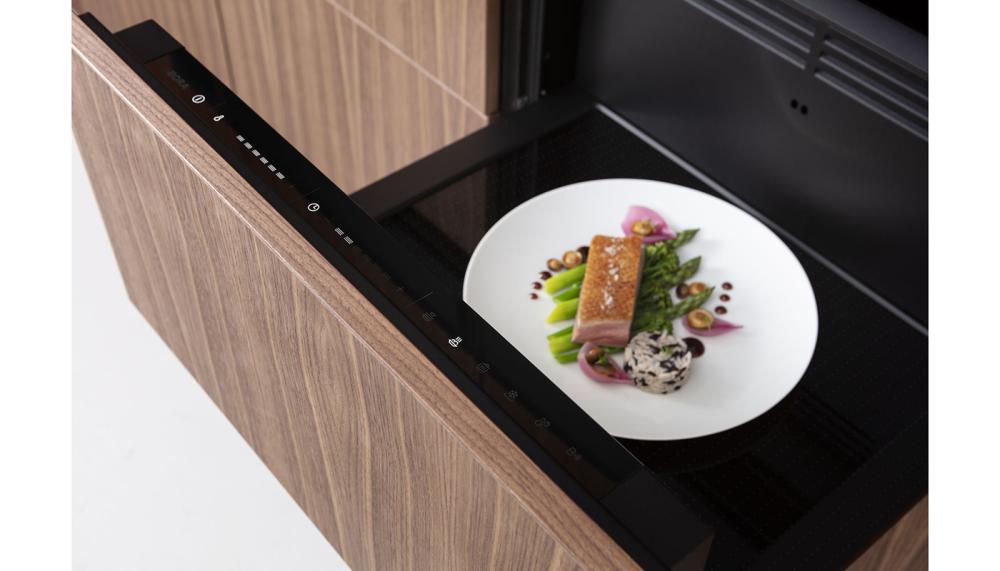
It’s down to recent advances in technology that warming drawers are becoming such a popular, versatile appliance. "Our warming drawers now form part of a connected appliance ecosystem, with smart capability that integrates them into broader home management with the Miele@home app,” adds Dan Young. “Safety features have also become more sophisticated, with functions such as timers and automatic switch-off offering reassurance during longer low-temperature cooking cycles."
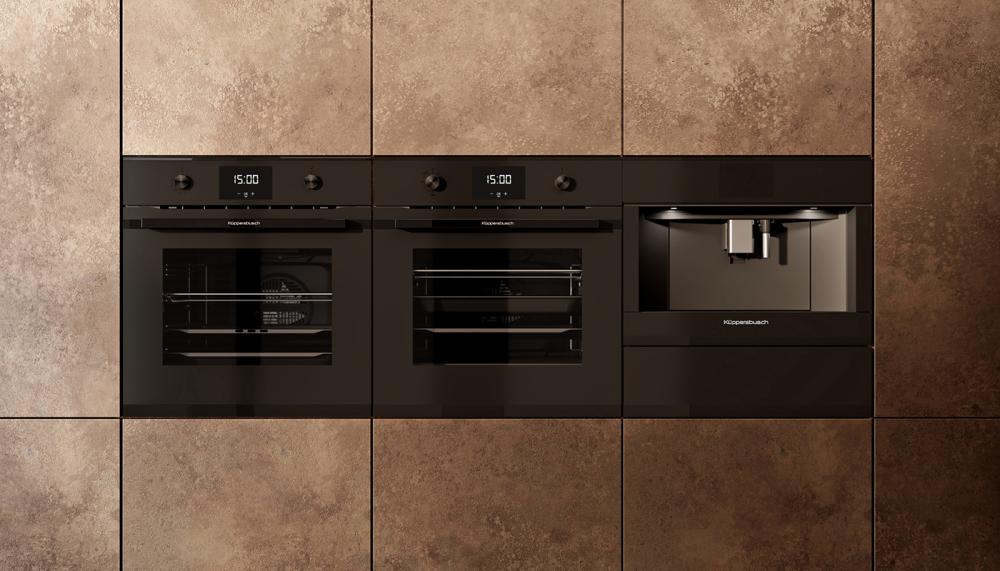
So what’s next, and how will the technology used in these sorts of appliances move forward? “We’re looking at using AI to integrate the warming drawer with other appliances,” says Simon Plumbridge. “For example, to have the warming drawer automatically start when the oven timer finishes. Drawers will be designed for rapid cooling, and fermentation drawers will meet the demands of the gut health trend, as more people eat yoghurt and kimchi.
The creation of ‘food-holding intelligence’ will keep food fresh, not dry and offer predictive temperature adjustment based on what dish is being kept warm. We’re looking at fully connected cooking ecosystems, where all appliances in the kitchen communicate. Recipe apps will co-ordinate appliances accordingly, and appliances will have specific modes for different occasions, like dinner parties.”
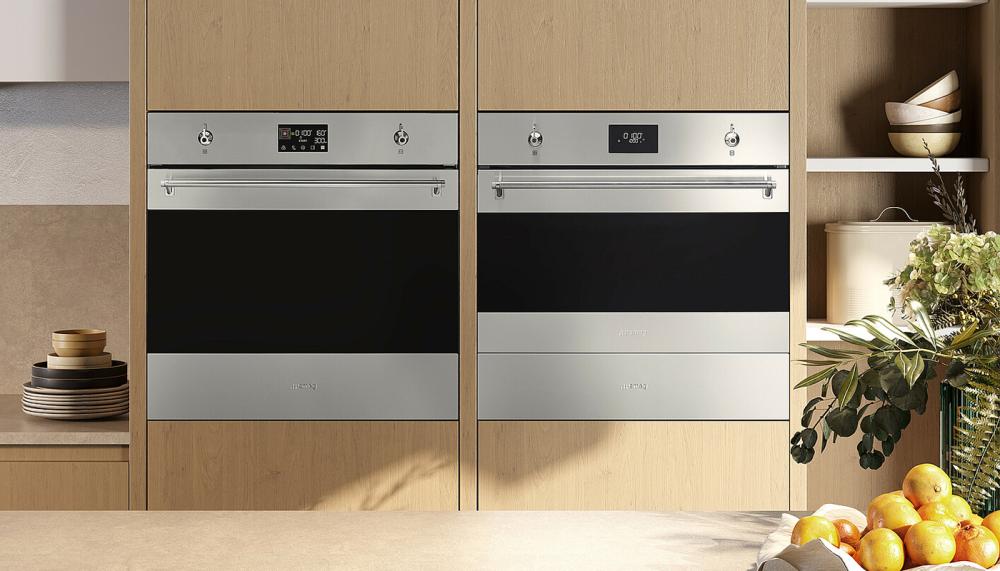
Tags: features, warming drawers, gaggenau, bertazzoni, miele, haier, franke, asko, bora, küppersbusch, smeg, kitchens



Sign up to our newsletter
Most Read