Modular bathroom furniture gains popularity as consumers seek smarter storage
Mon 9th Mar 2026 by Nicola Hanley
Modular bathroom furniture gains popularity as consumers seek smarter storage

As sales of modular bathroom furniture continue to grow, Nicola Hanley looks at the latest launches and talks to the experts about the biggest trends.
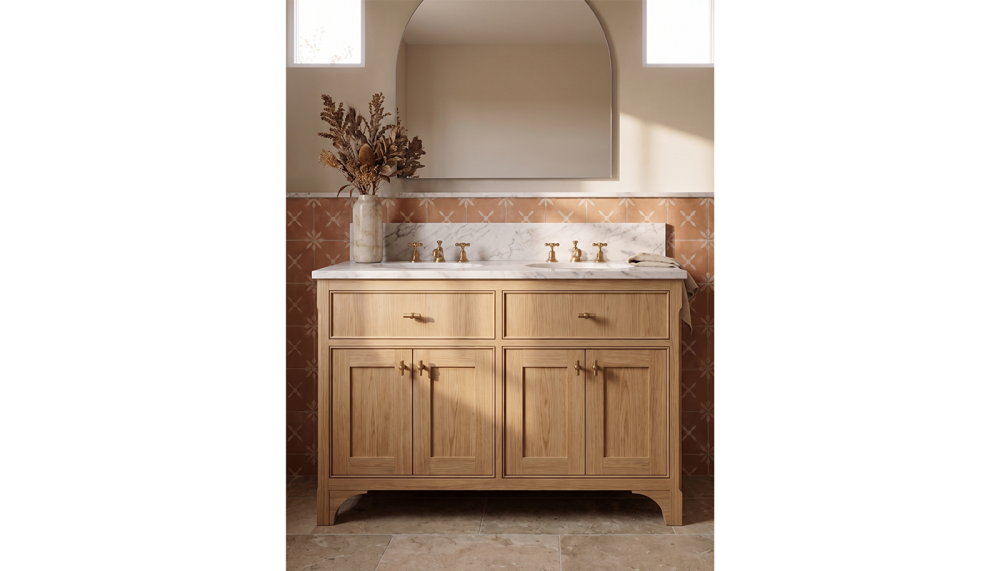
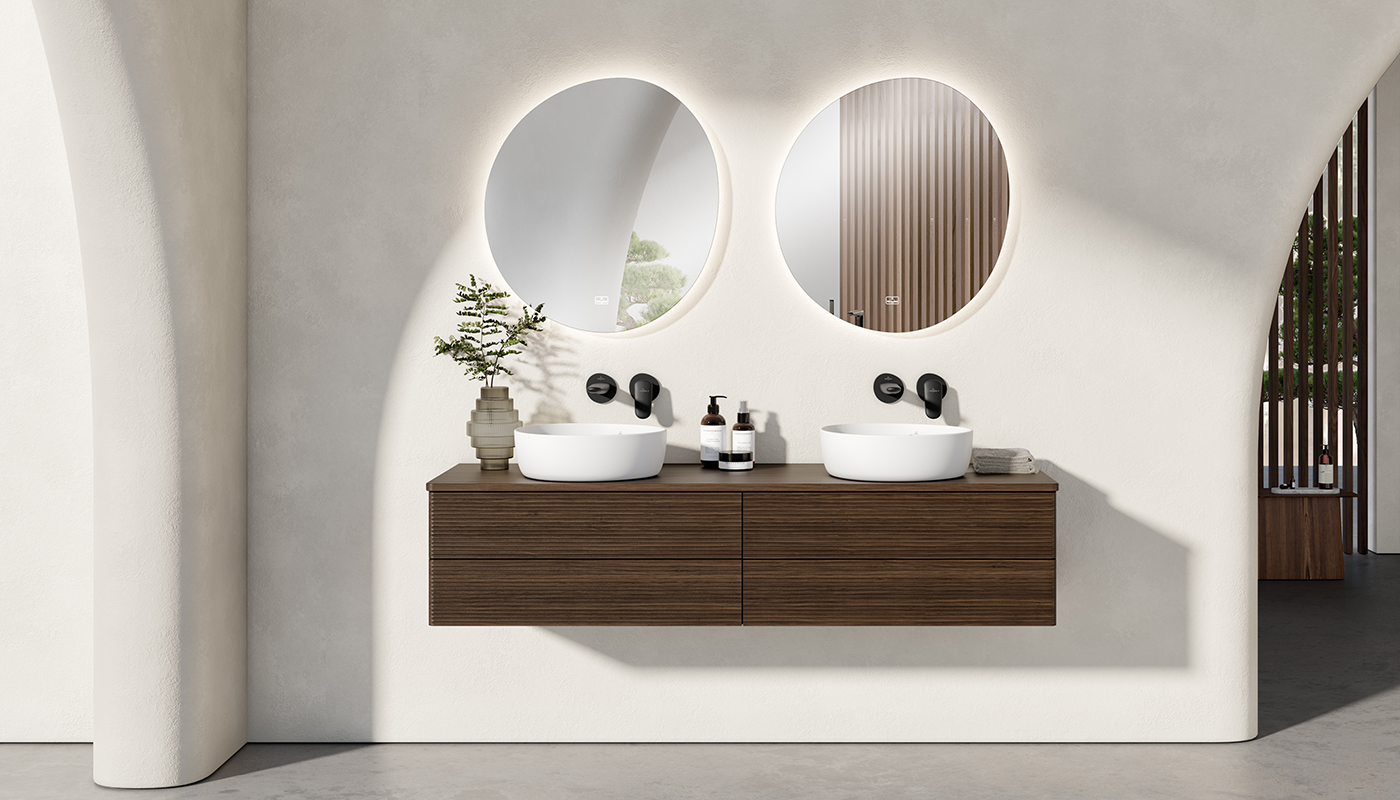
Loved by designers and homeowners alike for its flexibility, design versatility and ability to cater for bathrooms of all shapes and sizes, modular furniture is having a moment with vanity units widely regarded as the star attraction.
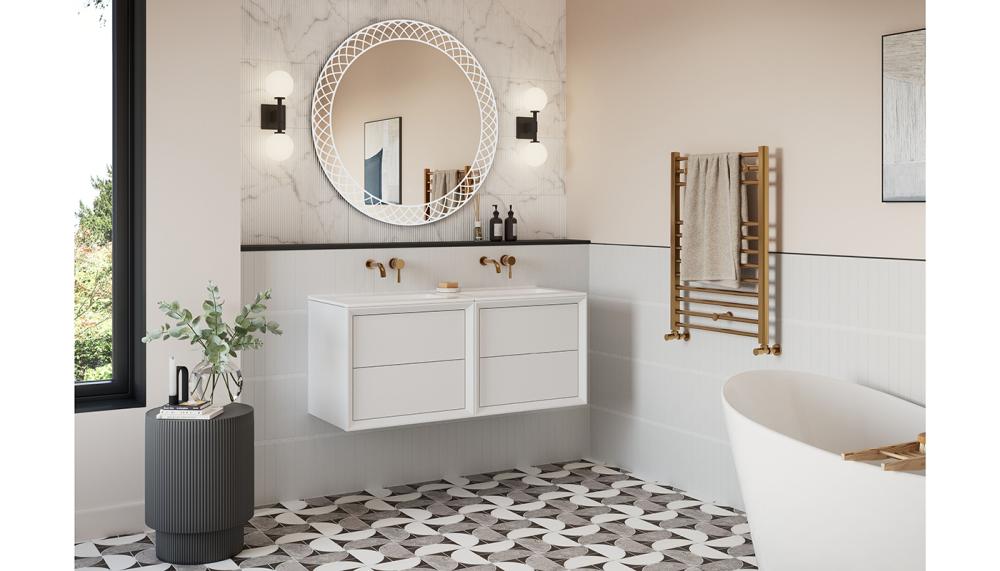
“Modular bathroom furniture, including wall-hung units, allows layouts to be tailored to the space available while maintaining a sense of openness and flow,” says Nicola Friel, manager of VitrA’s Specification & Design Hub, Clerkenwell, London.
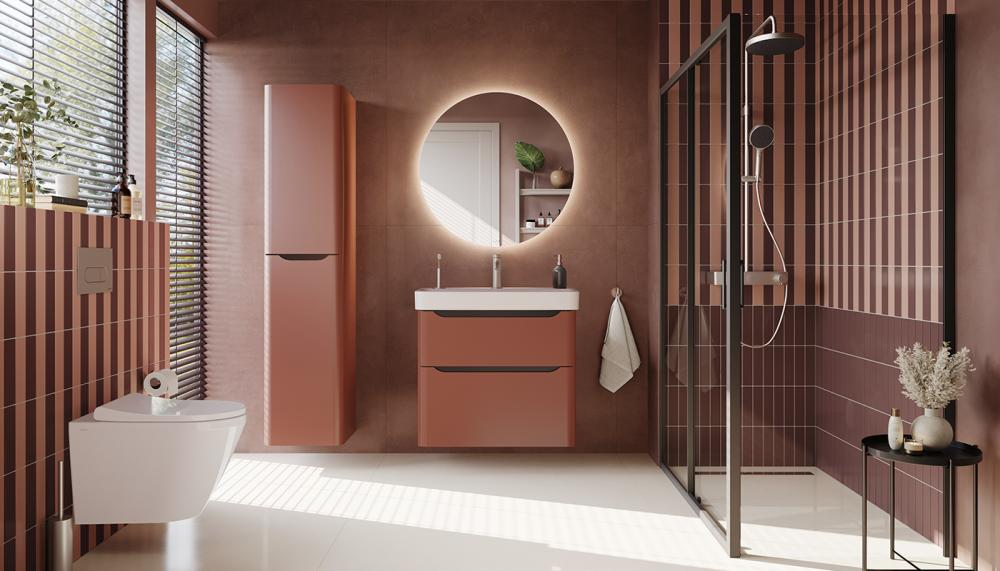
The UK’s notoriously small bathrooms are also making modular furniture an increasingly attractive proposition. “Homeowners want furniture that can adapt to different room sizes and functions, especially now that so many bathrooms are getting smaller and need to work a bit harder than they used to,” agrees Yiota Toumba, senior interior designer at the Villeroy & Boch Group.
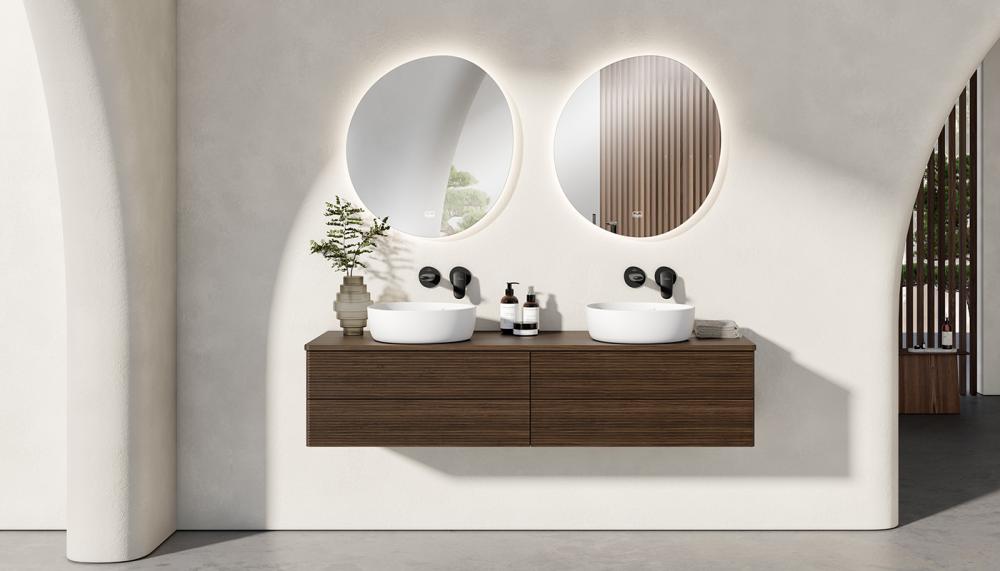
As Julie Lockwood, furniture product manager at Bathrooms to Love by PJH, points out, it’s a category that has evolved significantly over the last 10 years as the bathroom has morphed into a multifunctional space. “Modular furniture’s dual role – bathroom storage space as well as stunning aesthetics – has inspired its design evolution helping to create one of the largest choices of options for all.”
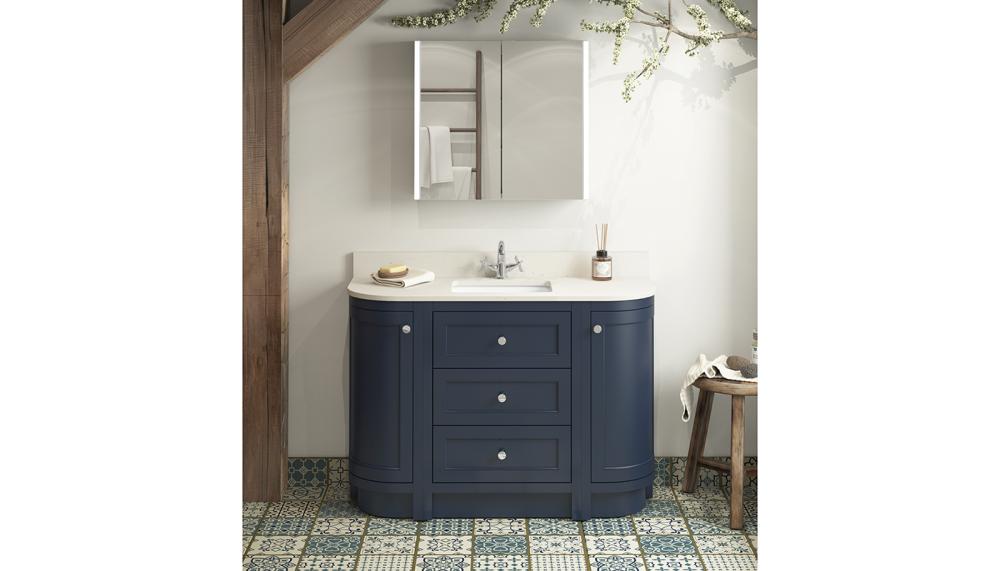
Choice and flexibility remain key agrees Julian Pearson, commercial director at Atlanta Bathrooms, who says the brand’s modular approach is really resonating with homeowners. “Today’s consumers are seeking simplicity, warm tones and spaces that promote wellness and self-care. Our modular approach delivers meaningful personalisation, from unit size and configuration to brassware and basin options, while keeping ranges streamlined and accessible. By offering flexibility through standardised products, we’re able to maintain competitive pricing without compromising on design or quality.”
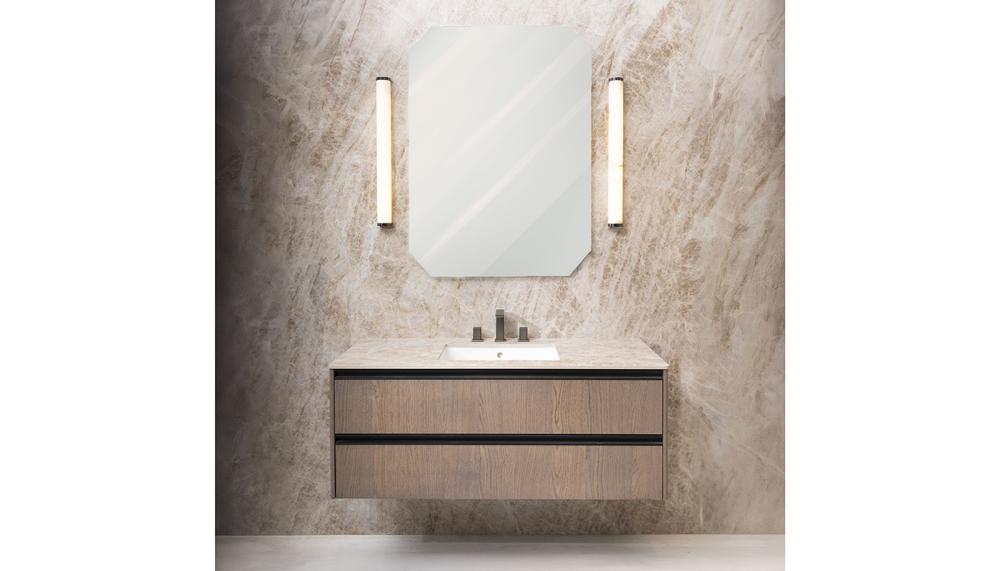
Retailers are rightly helping to shape how the modular furniture category develops says Richard Eaton, senior product manager at Tissino. “Showrooms are also influencing development, as they increasingly favour ranges capable of addressing multiple briefs without expanding display space or commercial risk, which encourages manufacturers to create adaptable systems rather than isolated products. Manufacturers are approaching personalisation by adapting a stable core design rather than multiplying ranges. A single architecture can now be modified through finish, handle and trim variations so the aesthetic shifts without altering the engineering, and optional elements such as open shelving, extra drawers or tall units allow layouts to expand according to the room.”
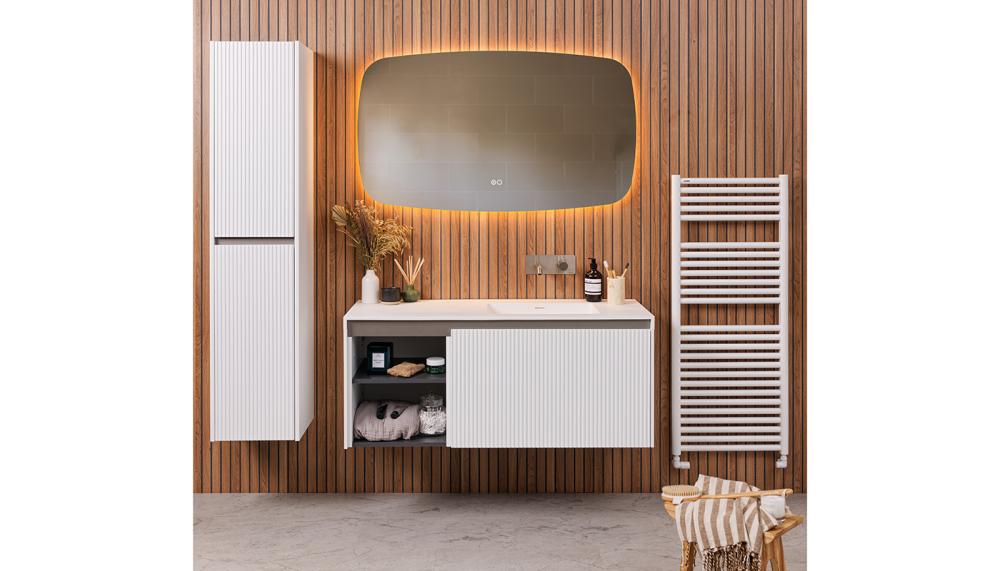
Alvin Biggs, MD at RAK Ceramics UK, says that manufacturers are expanding modular flexibility while creating cohesive designs that create a harmonious look. “Co-ordinated collections are key,” he says. “By designing furniture ranges that align with ceramic basins, WC ranges and brassware finishes, manufacturers make it easier for retailers to present complete solutions rather than standalone products.”
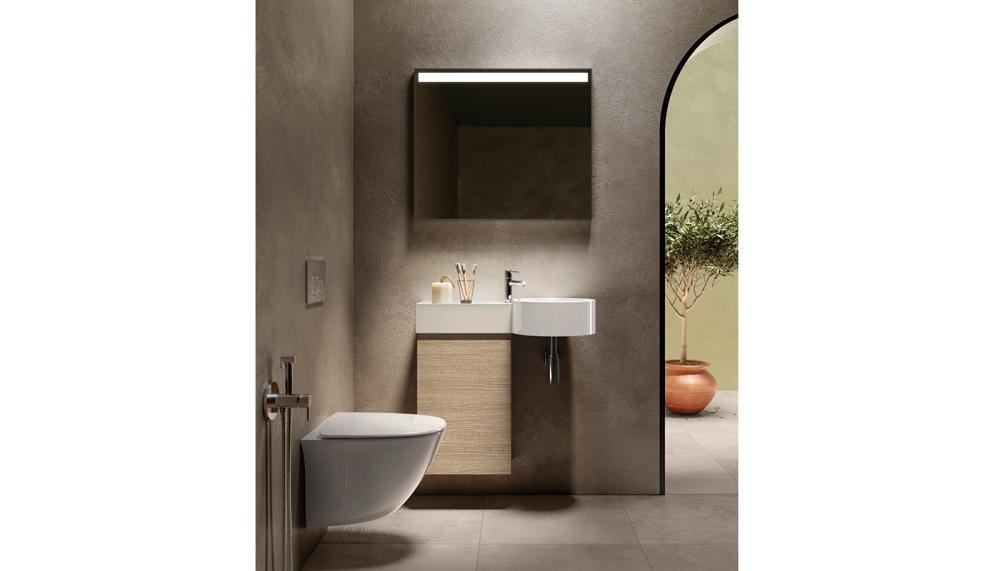
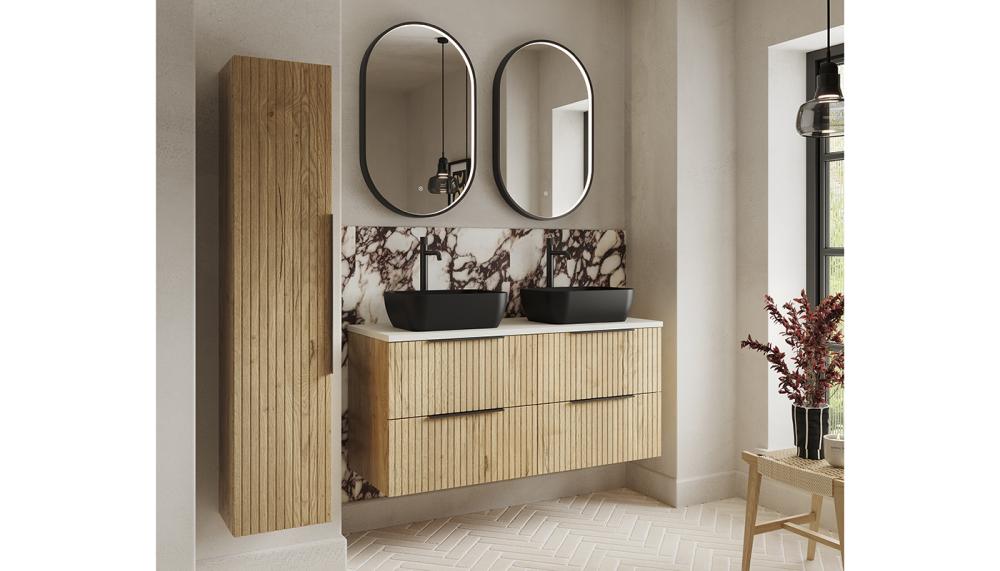
In terms of furniture finishes, texture is playing an ever bigger role as consumers seek out tactile surfaces that bring depth and character to the bathroom. “There is strong growth in fluted fronts, ribbed wood, matte lacquers, soft-touch laminates and ceramic-effect panels. Texture is used to add emotion and warmth without visual clutter, which is particularly important in modular systems,” says Richard Shore, head of product design at Utopia.
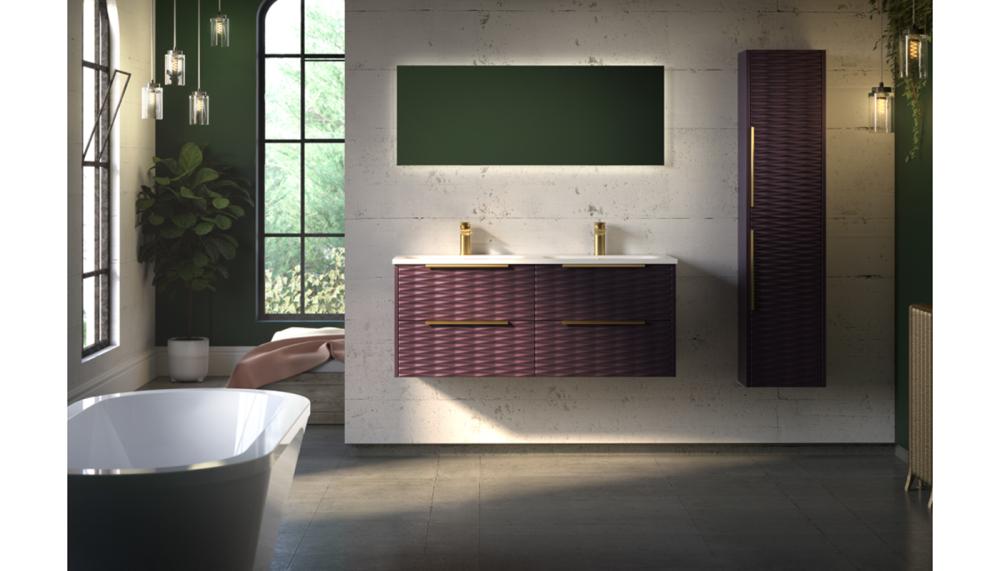
Storage is also getting smarter to meet a variety of demands. “Storage is a big area of innovation – integrated solutions such as tall units and hidden compartments help keep bathrooms organised,” says Marcus Pearson, head of design at nuielux. “There’s also a growing interest in smart features like LED lighting, which, when integrated into furniture, makes modern bathrooms feel both functional and luxurious."
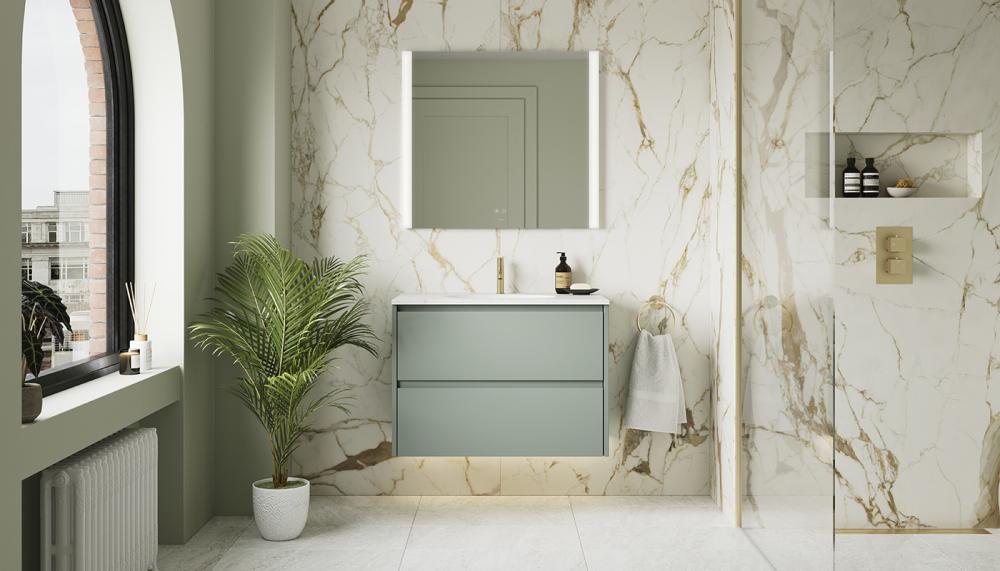
It’s a sector that is set to remain buoyant as customisation becomes more controlled, explains Tissino’s Eaton who says designers should expect evolution rather than revolution. “The next stage is likely to be refinement rather than reinvention, with the focus moving further towards cohesive bathroom schemes rather than isolated statement pieces. Material quality, durability and straightforward installation will continue to gain importance as both retailers and installers look for reliability as much as aesthetics, and internal storage will become more intelligent as bathrooms take on greater daily demand. The broader shift is towards controlled flexibility, offering meaningful options but within a framework that remains practical for showrooms to display and manage, ensuring modular furniture stays adaptable without becoming complicated.”
Tags: bathrooms, features, modular bathroom furniture, atlanta bathrooms, utopia, bathrooms to love by pjh, villeroy & boch, vitra, rak ceramics, bagnodesign, calypso bathrooms, tissino, nuielux


Sign up to our newsletter
Most Read