Daphne Doody-Green: Water efficiency needs a behaviour-change reset

Daphne Doody-Green: Water efficiency needs a behaviour-change reset
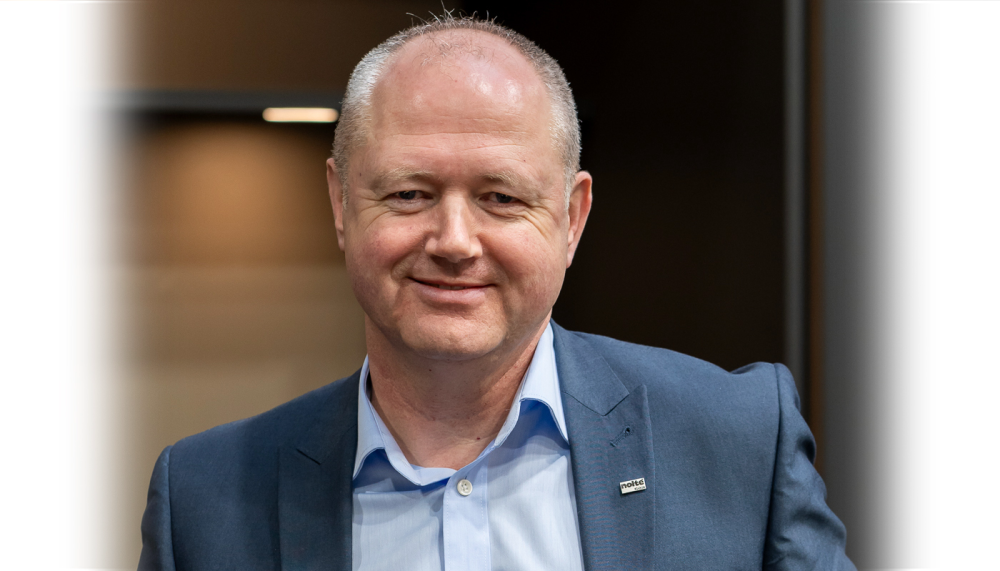
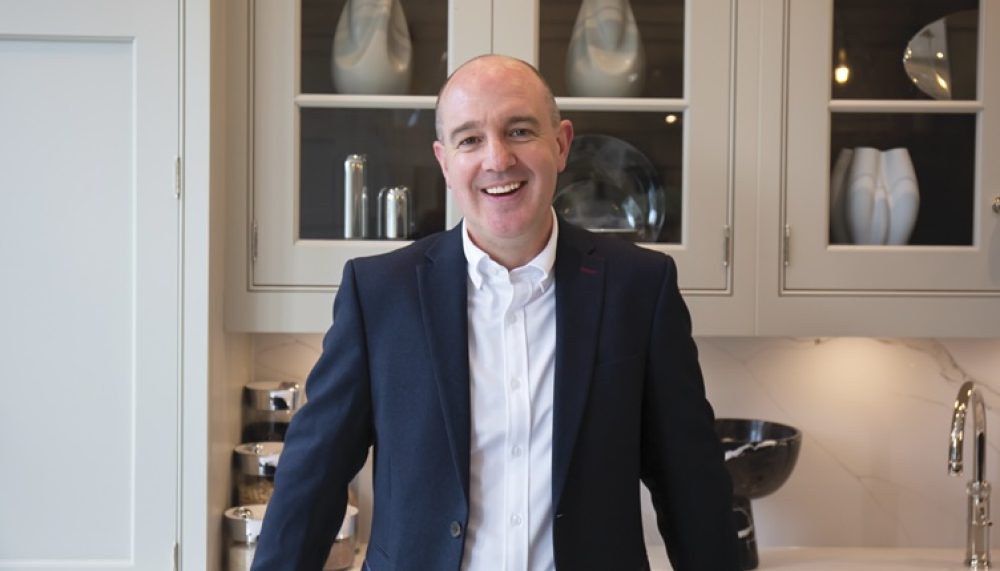
Daphne Doody-Green, chief executive of the Bathroom Association, argues that the next phase of water efficiency will not be won by specification alone, and that bathroom retailers have a central role in turning good products into lasting consumer habits.
It is tempting to believe that water efficiency is mainly a product story: fit a better shower, install a more efficient toilet, and the savings will take care of themselves. While water-efficient products undoubtedly deliver significant savings, evidence is increasingly clear that the next phase of water efficiency will also depend on human behaviour.
What is striking is that both the engineering and behavioural evidence now point in the same direction. Affinity Water’s Project Zero report shows that water reuse systems and next-generation fixtures could make a substantial difference, with reuse potentially cutting potable demand by 20-23% and high-efficiency fixtures and appliances reducing end-use consumption by 40-60% in new developments. But the same report is refreshingly honest that behavioural factors are 'a critical aspect' of whether theoretical savings are realised in practice.
That point is reinforced by the University of Surrey-led Promoting Domestic Water Efficiency Via Behaviour Change research, which anyone in our sector should read carefully. The researchers found that bathroom-based behaviours were the highest-priority targets for change. The report is especially useful because it challenges a lazy assumption that giving people more information will be enough. Many water-using behaviours are habitual, the authors argue, and habits are not reliably disrupted by education alone. Their recommendation is to use more habit-breaking strategies, such as shower-timer feedback, and interventions timed around key context changes, such as when people refit their bathrooms. That last point should make bathroom retailers sit up.
Retailers are often the first people to explain what a product does, why it matters, and how it fits into daily life. That gives them more influence than they may realise. A lower-flow shower or a dual-flush toilet is not just a specification choice; it is a behaviour-change opportunity. The Surrey team found that questions about showering include what prompts people to finish, what constitutes an optimal shower, and how consumers understand and use dual-flush systems. These are not abstract academic puzzles. They are exactly the sort of practical, human questions that shape whether efficient products are embraced or quietly bypassed.
There is also a wider communications lesson here. A recent LinkedIn post from one of the Surrey researchers noted, with admirable good humour, being labelled a “woke scientist” by the Daily Mail for studying shower habits. Beneath the headline-writing nonsense sits a serious point: the public debate can trivialise behaviour change just when we most need to treat it seriously.
So the next phase of water efficiency needs a reset. We should absolutely keep championing innovation. But we should stop pretending that specification alone will solve the problem. The winning retailers will be those who sell not just the product but the behaviour around it, and, in doing so, help turn water efficiency from a policy target into a household norm.
Tags: insight, features, daphne doody-green, bathroom association, water efficiency, bathrooms

Sign up to our newsletter