Abode's Leanne Stansfield – Why materiality in kitchen design really matters
Abode's Leanne Stansfield – Why materiality in kitchen design really matters
Materials, surfaces and finishes matter now in kitchen design more than ever before, so it's important to understand their properties and be able to communicate them clearly to a client – Leanne Stansfield, digital & marketing manager at Abode, explains how to go about it.
As the kitchen remains the most important room for investment in the home, end users are going beyond surface appeal in pursuit of top-tier materials, which stand-up to modern life. From product design and manufacturing to material integrity, and how different surface treatments, finishes, and textures behave over time, there is huge value in offering products that inspire a deeper bond between the user and their home environment.
In the wet zone, end users have become far more design-aware as material innovations like PVD-coated steel and engineered granite go mainstream. However, innovation is only valuable when properly understood and so, UK retailers are expected to know the different types of materials and finishes on display in their showroom so they can manage expectations, and inform their customers on the virtues of different materials, e.g. sinks with improved durability, colour retention, and reduced weight or low-maintenance taps in a wide range of finishes with superior coatings. The sheer variety of materials and online information has led to homeowners making more informed product enquiries, and this increase in knowledge has contributed to a growing need for retailers, designers, and installers to narrow down the options.
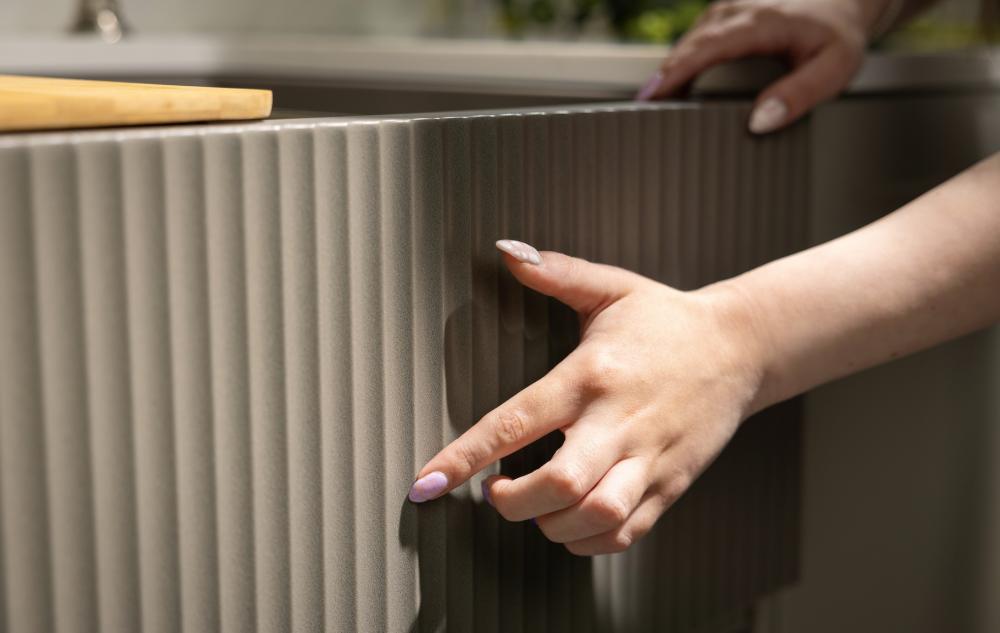
To help, we have compiled a guide for anyone wanting to take a material-driven design approach on their next kitchen project:
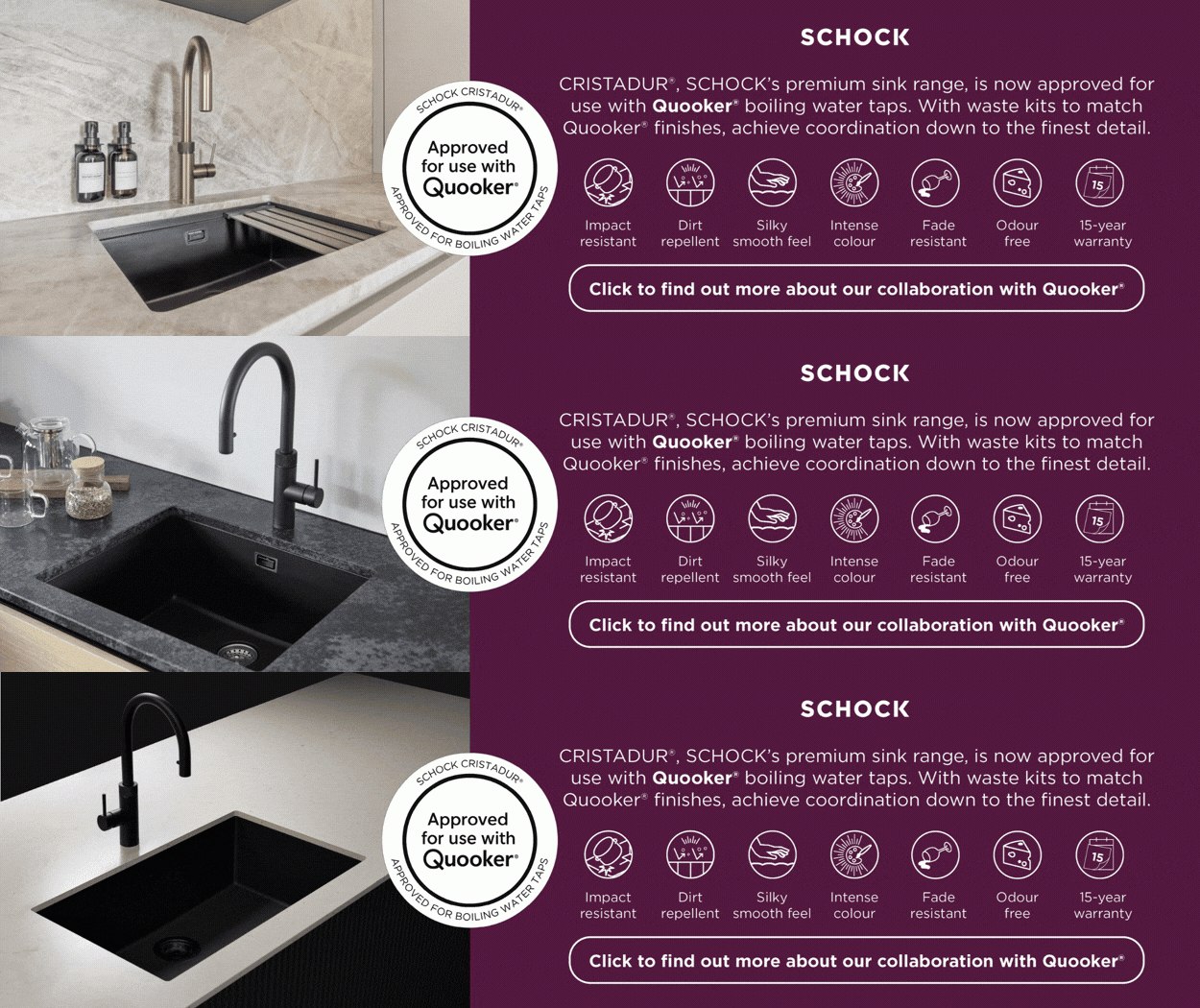
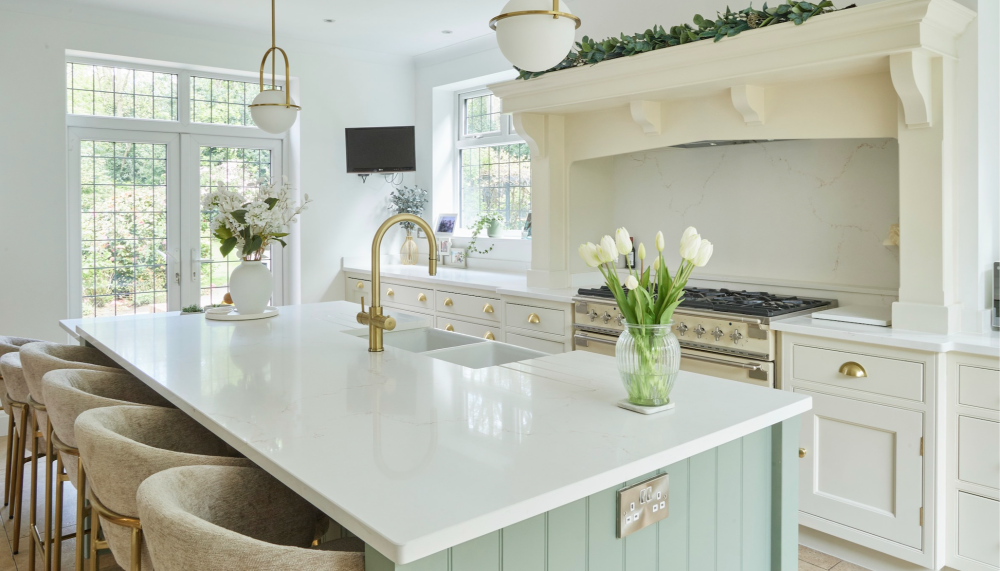
1. Box clever: As the interior design industry continues to be driven by aesthetics, innovation, and choice, there is a direct correlation between a product's material, and its value and style. From cost and aesthetics to durability and environmental impact, material selection is a prime opportunity to transform an initial design concept into a fully enriched kitchen space with tangible benefits. Now a superior alternative to natural stone, kitchen sinks made of composite granite and PVD steel are leading the way in terms of style and colour options by allowing the sink to blend seamlessly with the furniture, worktops, and even brassware. Added to that, advanced surface treatments are not only enhancing colours and finishes but also helping to repel water, dirt, and minimise fingerprints for effortless cleaning and greater durability.
Demand for composite materials like granite will only increase in 2026. As more prestige is associated with these types of sink materials in the luxury kitchen environment, consumers and designers alike are appreciating their tactile qualities and visual hierarchy. Modern interpretations in steel are also helping to satisfy materiality in the luxury kitchen space, with PVD coatings’ fast becoming a measure of durability when compared to traditional sink and tap finishes like chrome.
2. Manage expectations: Be clear and concise from first enquiry, as material selection is visually motivated. Although this might serve as a great first step in the design conversation, the ‘right look’ may not be fit for purpose and so it’s important to align expectations early to avoid high-maintenance, delicate materials, which prioritise aesthetics over lasting performance. Providing accurate product information from the outset will streamline the design process and minimise costly mistakes. So, whether you’re using different materials to match or contrast with the furniture, impersonate real-world textures, establish atmosphere and mood, or simply extend the lifespan of everyday kitchen components like the sink, material is key to establishing a solid foundation in today’s hardworking wet zone.
3. Be honest: Popular materials and finishes may clinch a sale, but they also need to withstand daily life. Does it require repeated cleaning, can it withstand daily wear and tear, or changes in temperature? If a material is making claims, then you need to ensure it can stand up to scrutiny. Describe the core features and benefits such as longevity, superior functionality, and improved sustainability.
Explain the available colours and finishes too but only imply a tactile experience if one is offered. For instance, if a finish looks matt but feels smooth, or feels textured but is described as uniform, then be accurate in your description. Adopt open and honest terminology with the help of product brochures, and physical swatches and product samples, as the look and feel of different materials will change as it interacts with differing light sources, surface textures, and shapes.
At Abode, we see material clarity not as a constraint but as a competitive advantage, and we aim to support our retail partners with high-quality products that are precise, durable, and safety compliant, to empower designers so they can realise their creative visions, and ultimately deliver better outcomes for anyone choosing our products in their home.
Tags: insight, features, abode, leanne stansfield, sinks, taps, materials



Sign up to our newsletter
Most Read