Interview: Sophie Rose on Magnet's new chapter – strategy, stores and market pressure
Thu 7th May 2026 by Tim Wallace
Interview: Sophie Rose on Magnet's new chapter – strategy, stores and market pressure

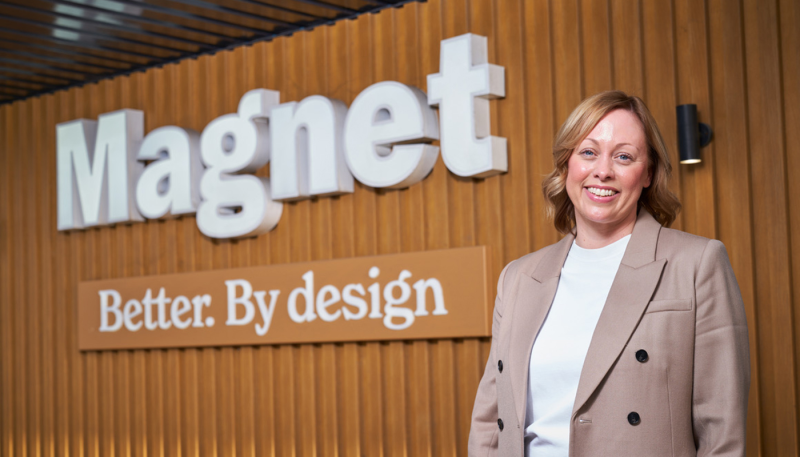
Magnet CEO Sophie Rose outlines a fresh phase of growth for the business now under new ownership, with improved store performance and expanding B2B activity despite fierce competition.
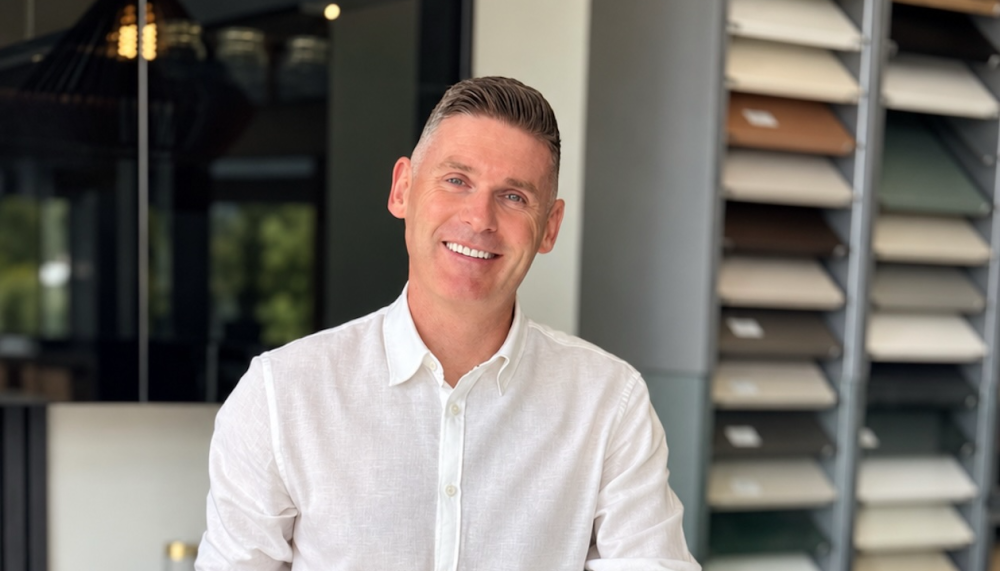
Officially, Magnet is in the middle of a 3-year growth plan. But CEO Sophie Rose insists there’s no fixed end point. Instead, she frames the company’s recovery as something ongoing; less a turnaround with a finish line than a shift towards longer-term stability.
Asked what a successful turnaround might look like, she smiles: “When do you ever stop turning around?”
It’s a throwaway line, but a revealing one. While Magnet has returned to profit and begun to stabilise, there is little sense, either from the numbers or from Rose herself, that the job is finished.
Magnet has only recently emerged from a prolonged period of losses and is now under new ownership. In January, former owner Nobia exited the UK, selling the business to private equity turnaround specialist Alteri Partners for a nominal sum. Alteri is also understood to have assumed around £60m in lease liabilities.
The move was framed at the time as one of “strategic focus”, although the underlying logic was more hard-edged. After several years of restructuring, leadership changes and cost-cutting programmes, Magnet was still not delivering returns in line with expectations.
Stability
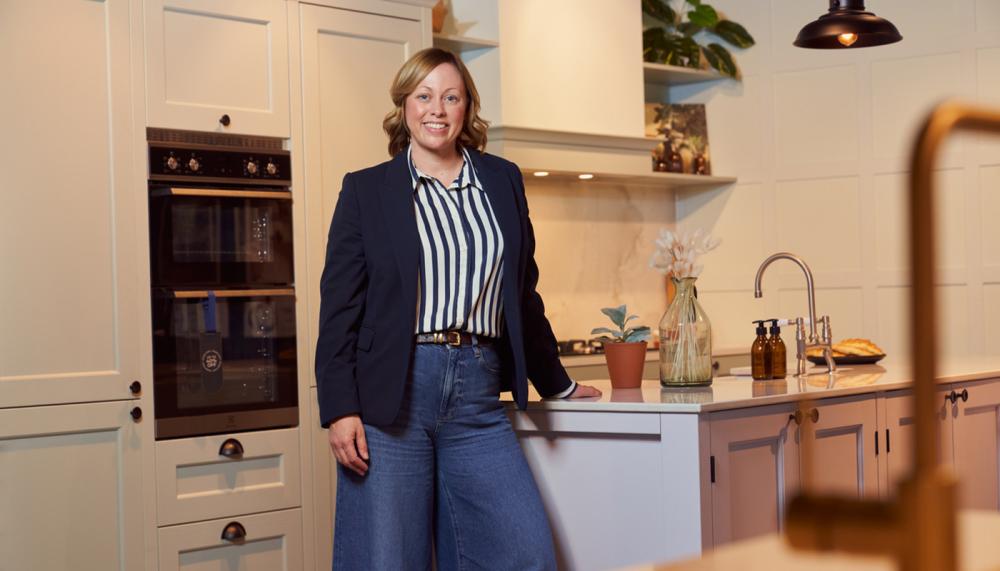
Rose became CEO last October, succeeding George Dymond, who had overseen the early stages of Magnet’s turnaround before stepping down. Under his leadership, the UK business had begun to stabilise, with year-on-year profits improving by £3m in Q1 and £15.1m in Q2, offering a platform for Rose to take the next phase forward.
Rose had joined Magnet around 2 years earlier, and had already held senior roles, most recently leading the commercial and customer agenda. She also played a central part in shaping the plan now being executed.
She remains reluctant to disclose Alteri’s precise targets for the company, but she’s keen to present the takeover in positive terms. “This isn’t a private equity group coming in and turning us upside down,” she says. “It’s very much a buy-in to the management plan.”
That said, the backdrop is hard to ignore. A turnaround still bedding in, a new owner with a track record of active restructuring, and a UK kitchen market that remains subdued in places.
“We’re definitely seeing people procrastinating but that’s the market we’re in,” she says. “They’re asking whether to buy now or in a few months’ time and they’re shopping around more.”
Asked about the wider backdrop, Rose points to the unpredictability shaping both consumer confidence and business planning: “You never quite know what’s around the corner from a market perspective,” she says.
Store estate
The consistent thread running through Rose’s account of Magnet’s performance over the past year is discipline. Growth, she says, has not come from aggressive expansion or pricing strategies, but from within the existing store estate.
“When we get it right, we get it really right,” she says. “Our ability to deliver that consistently is where we really win.”
The numbers she is willing to share are selective but revealing. Like-for-like growth in consumer stores is “over 6%”, while the B2B division is delivering “healthy double-digit” pipeline growth and continued sales expansion. Average order value has increased by around £1,000 per kitchen, which she links directly to improved conversion and higher attachment rates.
“We’re not just adding 5% on price,” she says. “It’s about building the basket. That’s installation, services, everything around the kitchen.”
The business has halved the proportion of loss-making stores over the past year, Rose adds, a metric she views as a key marker of progress.
Store strategy is where Magnet appears most deliberately in transition. Again, rather than chasing a fixed expansion target, Rose is steering the business towards what she calls “the right locations at the right time”.
“We’re not fixated on a number,” she says of store openings. “It’s not ‘this many this year’; it’s about sustainable growth.”
The company is increasingly focused on smaller store formats, which Rose says are performing well and are more suited to current consumer behaviour. Expansion will be “considered”, she says, with a long-term ambition of reaching “30, 40, maybe 50 stores” in the new format, but without a defined timetable.
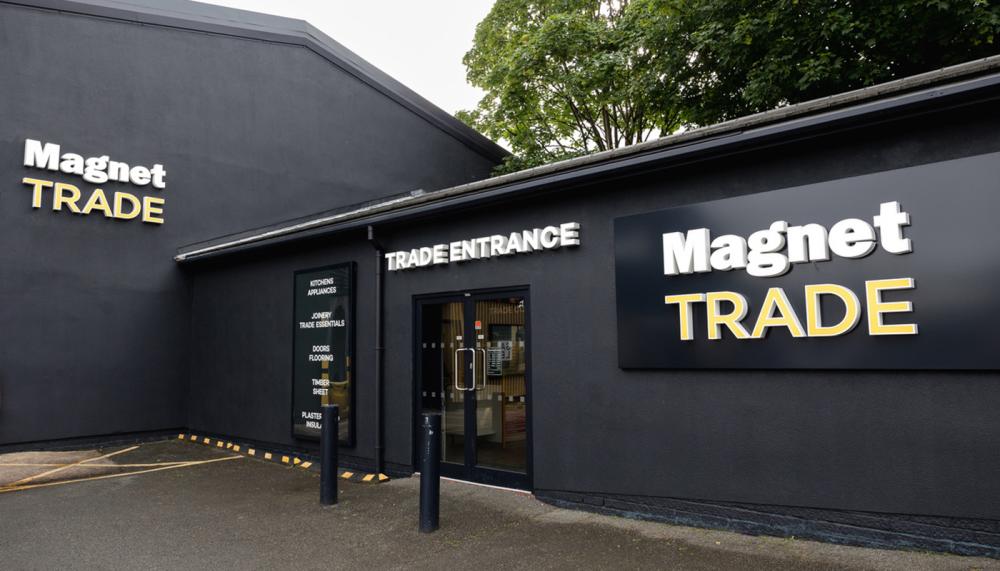
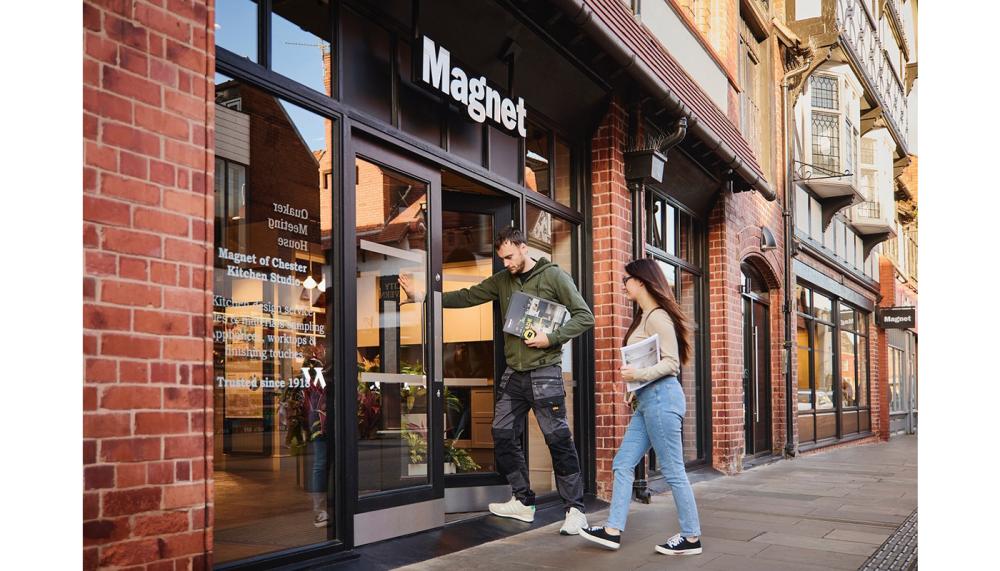
She refers to several recent openings, including Guildford, Farnham and Stamford, as examples of successful high-street locations. The return to high-street sites is notable in itself. After years of out-of-town dominance across the sector, Magnet is explicitly testing whether kitchen retail can re-establish a presence in more visible, higher-footfall locations. At the same time, the company is continuing to invest heavily in its existing estate, with more than half of its stores upgraded over the past year.
“There are some great stores out there,” she says. “We just need to bring them into the new format.”
Growth engines
Alongside retail, Rose sees 2 areas as central to future growth: partnerships and B2B. The company has been experimenting with franchise-style partnerships, including concession models such as its arrangement with Selco Builders Warehouse. “We’re really keen to keep building on those,” she says. “We want to make sure we’ve got the right model before we roll it out further.”
More structurally important, however, is the B2B channel, which Rose describes as increasingly significant, particularly in the public sector. That healthy double-digit growth that Rose refers to underlines the increasing importance of this part of the business. “We’ve got really strong heritage there,” she says. “What really matters in that sector is service, and that’s what we do well.”
This is also where Magnet’s UK manufacturing base in Darlington becomes strategically relevant. Rose says this capability remains part of the group’s competitive advantage, particularly in serving trade and public sector contracts where reliability and lead times matter as much as price. “We’ve got capability across the whole customer base,” she says. “That’s in our DNA.”
Targets and expectations
Rose resists going into specifics around financial targets. “We have an ambitious leadership team,” she says. “We will go big, but we’re not obsessed with short-term numbers.”
That senior team now includes Rupert Nichols as customer and commercial director and Guy Tooth as supply chain director. Nichols has held senior roles at Toolstation, Studio Retail, Dixons Carphone and Sainsbury’s, while Tooth joined from operations and supply chain positions at Greencore, Morrisons and PepsiCo, with a focus on improving manufacturing and delivery performance.
Rose is also placing emphasis on leadership development, particularly in supporting the next generation of women in the business. Magnet has recently launched a dedicated women in leadership apprenticeship programme, aimed at building a stronger internal pipeline.
Discounts
While the kitchen sector remains structurally dependent on discounting, Rose is attempting to reduce that reliance. “I think every kitchen in the market is in a promotional condition,” she says. “Unfortunately, that is the reality we operate in.” However, over the past year, she says, Magnet has actively reduced reliance on discounting within its pricing architecture.
“We’ve reduced list prices over the last 12 months and taken some discount out of the stack,” she says. “We’d all love to walk away from discounting completely, but it’s not that simple in a market where customers are tuned to look for it.”
Some competitors, she notes, have become increasingly aggressive on pricing – a classic “race to the bottom”, as she puts it – but Magnet is repositioning away from discount-led decision-making and towards service, trust and execution.
“It’s not just about price,” she says. “It’s about trust. It’s a big investment for customers. They want to know the kitchen will meet their needs and that they’ll get end-to-end service.”
Rose is open when discussing competitors, and where she sees strength in the market. Howdens, she says, “impress me every day” with their clarity of model and deep alignment with the trade. At the other end of the spectrum, she describes Wren Kitchens as “a machine”.
The bigger picture
For the smaller independents that are feeling the pressure, Rose has some advice. “Keep doing what you do brilliantly,” she says. “Fantastic service, great quality, designs that really meet customer needs. The ones who are agile and do that consistently will win.”
The tension, though, remains: a fragmented, price-pressured market set against a business trying to differentiate through service, trust and execution rather than discounting.
Yet the direction of travel is clear. At Magnet, loss-making stores have been reduced, like-for-like growth restored, B2B expanded and promotions gradually dialled back. The focus has shifted from stabilisation to more disciplined execution. “We’re focused on sustainable growth," says Rose. "Not just decisions for now.”
Tags: interview, features, sophie rose, magnet, kitchens
In Other News