Ross Bliben: Why the KBB industry needs a future-proofing conversation

Ross Bliben: Why the KBB industry needs a future-proofing conversation
Ross Bliben, sales director at bathroom components specialist Bathroom Spare Parts, explains why the 'rip and replace' approach to renovation projects is no longer viable.
For years, success in the KBB sector has been closely linked to innovation. New product launches, evolving design trends and complete renovation projects have driven growth across the industry. While innovation will always remain important, changing market conditions suggest it is time to broaden the conversation about what the future of the industry should look like.
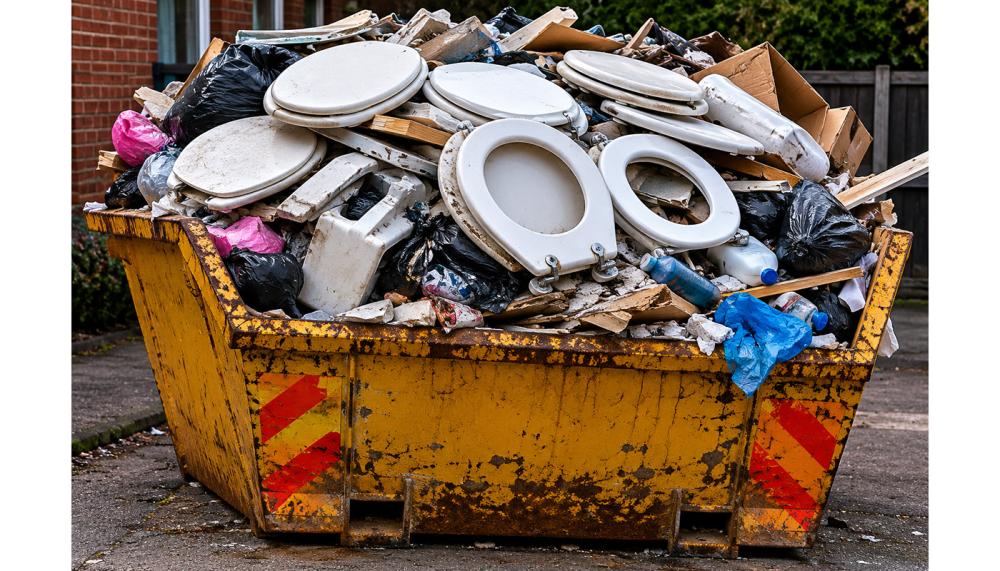
Today, manufacturers, retailers, installers and consumers are facing a very different landscape. Rising costs, growing environmental awareness and shifting customer expectations are forcing businesses to think differently about how value is delivered. Increasingly, that means looking beyond the traditional 'rip and replace' model and placing greater emphasis on repair, maintenance and product longevity.
Consumers are becoming more considered in their purchasing decisions as economic pressures mean many homeowners are delaying major renovation projects and seeking practical ways to maintain and extend the life of existing products. Rather than replacing an entire shower, tap or toilet system, many are looking for cost-effective solutions that address individual faults or worn components.
This change in behaviour presents both a challenge and an opportunity for the KBB industry. Businesses that continue to focus solely on replacement risk missing out on a growing market for aftersales support, repairs and maintenance services. Those that embrace product longevity as part of their offering are likely to be better positioned to meet evolving customer needs.
The conversation is also being shaped by sustainability. Consumers are increasingly aware of the environmental impact associated with manufacturing, transporting and installing new products. In many cases, replacing an entire product because of a single failed component can create unnecessary waste and resource consumption. Extending the lifespan of products through repair and maintenance offers a practical way to reduce that impact while helping customers make more sustainable choices.
For manufacturers, this shift highlights the importance of designing products with long-term support in mind. Durability remains essential, but so too does accessibility to spare parts, technical documentation and servicing information. Products that can be maintained and repaired years after installation are likely to become increasingly attractive to both trade professionals and end users.
Retailers also have an opportunity to strengthen customer relationships beyond the initial sale. Traditionally, growth has been measured by the volume of products sold, but future success may increasingly depend on supporting customers throughout the entire lifecycle of those products. Providing access to replacement parts, maintenance guidance and repair solutions can help build trust, encourage repeat business and demonstrate a genuine commitment to customer care.
Installers, meanwhile, are well placed to benefit from growing demand for maintenance and repair services. As skills shortages and supply chain pressures continue to affect parts of the industry, helping products remain operational for longer can offer customers a practical alternative to full replacement while creating valuable additional revenue streams for businesses.
Importantly, future-proofing the industry does not mean moving away from innovation. Instead, it requires a more balanced approach. The most resilient businesses will be those that combine product innovation with product longevity, ensuring customers continue to receive value long after installation.
The KBB sector has always adapted to changing market conditions, and today's challenges are no different. By placing greater emphasis on repair, maintenance and long-term product support alongside replacement and renovation, the industry can create a more sustainable, customer-focused and commercially resilient future.
The question is no longer whether products can last longer – it is whether the industry is ready to make longevity a core part of its business model.
Tags: insight, features, ross bliben, bathroom spare parts, sustainability, bathrooms

Sign up to our newsletter
Most Read