Daphne Doody-Green: Defining the pathways to a stronger bathroom sector

Daphne Doody-Green: Defining the pathways to a stronger bathroom sector
As the fitted interiors sector moves closer to defining what competence looks like, Daphne Doody-Green explores why clearer career pathways are essential to attracting people, supporting progression and building consumer confidence.
Apprenticeships are seen as one of the most important ways to bring new people into practical, technical and customer-facing roles. Many of the best careers in our sector have started with someone learning on the job, developing confidence over time and being supported by people willing to pass on their knowledge.
However, we also need to be honest: for many small businesses, taking on an apprentice is a significant commitment. It requires time, supervision, training capacity and commercial resilience. In a sector made up largely ofSMEs, we cannot simply say “take on more apprentices” and treat that as the whole solution.
What we need is a broader focus on career pathways: giving people clearer routes into the sector but also helping those already working in it understand how they can progress. A career in bathrooms can encompass a multitude of roles, yet too often we do not clearly explain its breadth.
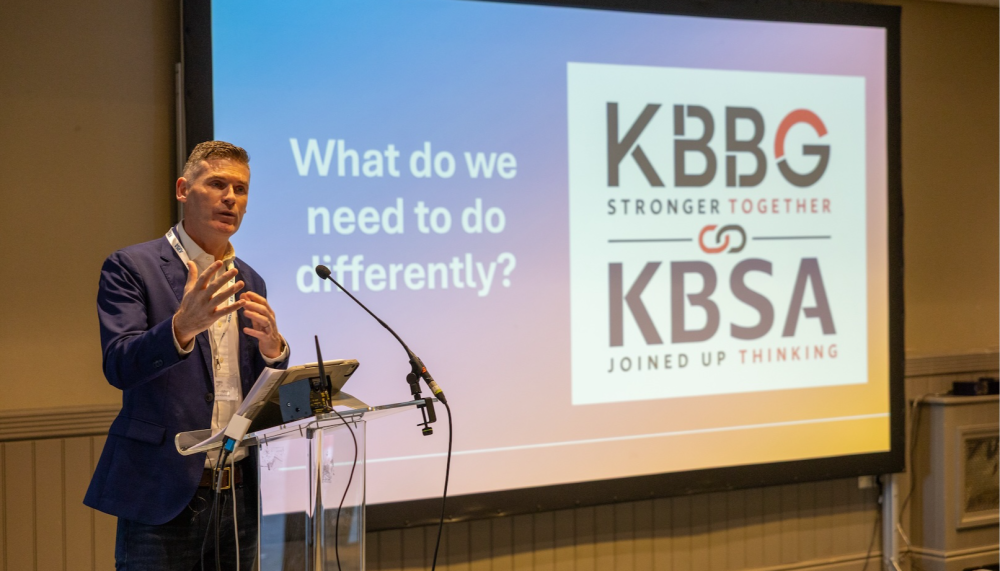
This was a key theme at the KBB Futures roundtable at InstallerSHOW, where industry representatives discussed ourcollective role in engaging schools much earlier and presenting the KBB sector as a credible, rewarding and varied career choice. Too many young people simply do not know we exist, or they only see one part of the picture. If we want to attract future designers, installers, showroom specialists, technical experts and business leaders, we need to show them the full range of opportunities before they have already made decisions about their future.
Encouragingly, the BIFIS schools outreach programme, which follows thousands of children from years 7-11, aims tohighlight the broader understanding of our industry and the roles within it. More industry support for this initiative would make a real difference.
For bathroom retailers, excellent career pathways matter because the showroom remains one of the most important places where consumers make decisions about their homes. Customers need people who can interpret, problem-solve and explain the difference between a quick purchase and the right long-term choice.
The development of the Fitted Interiors Competence Framework is, therefore, important. Initiated by the Super Sector Review, facilitated by BIFIS and supported by the CITB, the framework reflects the reality of modern fitted interiors installation, where multi-trade installers often work alongside specialist trades. Its purpose is to provide a benchmark for “what good looks like”, giving new entrants, existing workers, employers and consumers a clearer way to understand and assess competence.
In support of this, our strengthened strategic alliance with BIFIS reflects our shared commitment to raising standards, supporting professionalism, and improving consumer confidence across the fitted interiors and bathroom sectors.
If we want the bathroom sector to attract and retain good people, we need to show them where a career here can lead. The BIFIS Manifesto is a valuable starting point for anyone who wants to help shape that future. I would encourage industry stakeholders to read it, engage with the work now underway, and consider how they can contribute. Clearer pathways will only succeed if they are built with the insight and commitment of the whole industry.
Tags: insight, features, daphne doody-green, bathroom association, bathrooms






Sign up to our newsletter
Most Read