Study finds economic pressure drives sustainable living
Study finds economic pressure drives sustainable living
Global home appliance company Beko has unveiled its Smart Living Index (SLI), which revealed that financial pressures are now the biggest driver of adoption of sustainable household behaviours worldwide. One of the largest studies of its kind, the Smart Living Index tracks how consumers’ views of sustainability and energy use are evolving. The study also looks at how consumers are using smart appliances within their own homes.
For the Smart Living Index, Beko surveyed a representative sample of 6,000 consumers across 12 markets – the UK, Germany, France, Spain, Italy, the Netherlands, Romania, Turkey, Egypt, Thailand, Pakistan and South Africa. Consumers in every market reported changes in their approach to buying appliances in the past 12 months, with long-term affordability and sustainability increasing in importance as considerations.
In markets where consumers are actively tracking the running costs of appliances, adoption of smart features was higher. Conversely, markets that do not track energy usage so closely are slower to adopt smart features and instead turn to other energy-saving activities such as drying laundry on a washing line, or hand-washing dishes.
Key findings:
- • Cost as catalyst: 8 out of 12 markets cite energy costs as the environmental concern with the greatest impact on their daily lives, reflecting how climate and sustainability challenges are most acutely felt through household energy bills.
- • Global South leads the way: In western markets such as the UK, Germany, and France, consumers place less value on smart living compared to emerging markets like Egypt, Thailand and Pakistan.
- • Trust gap in technology: Fewer than 20% of consumers in key European markets (France, Spain, UK, Germany) trust AI-powered appliances, despite widespread recognition that smart appliances benefit the environment.
- • Going analogue: A huge proportion of the public engage in appliance substituting behaviour to save energy at home – for example, in many countries around two-thirds of respondents signaled that they dry laundry on a line.
- • The age vs. income paradox: Energy-saving activity increases with age, but decreases with income, defying conventional assumptions about environmental engagement. The over-54 age group leads across all energy-saving behaviours.
- • Demand for government support: Over 50% of respondents from all markets agreed that government policy should support consumers as they switch to more resource-efficient home appliances rather than leaving the transition entirely to households.
- • The future is smart: Thailand (81%), Pakistan (86%) and Turkey (80%) show most enthusiasm for appliances to become even smarter, with Germany (39%), the UK (40%) and France (43%) placing less focus on smart innovation. However, countries are united in being most excited by innovations that are self-cleaning or energy-generating.
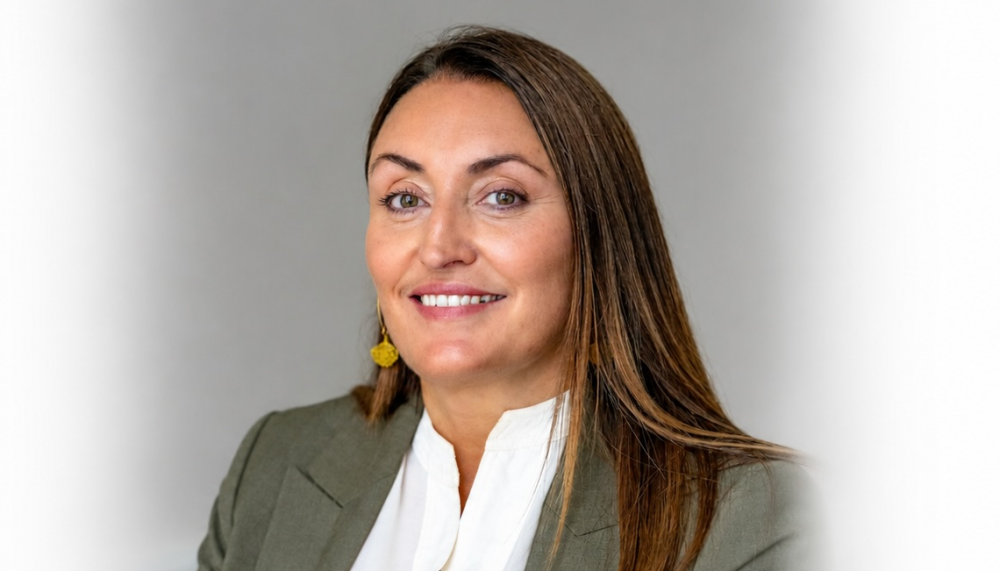
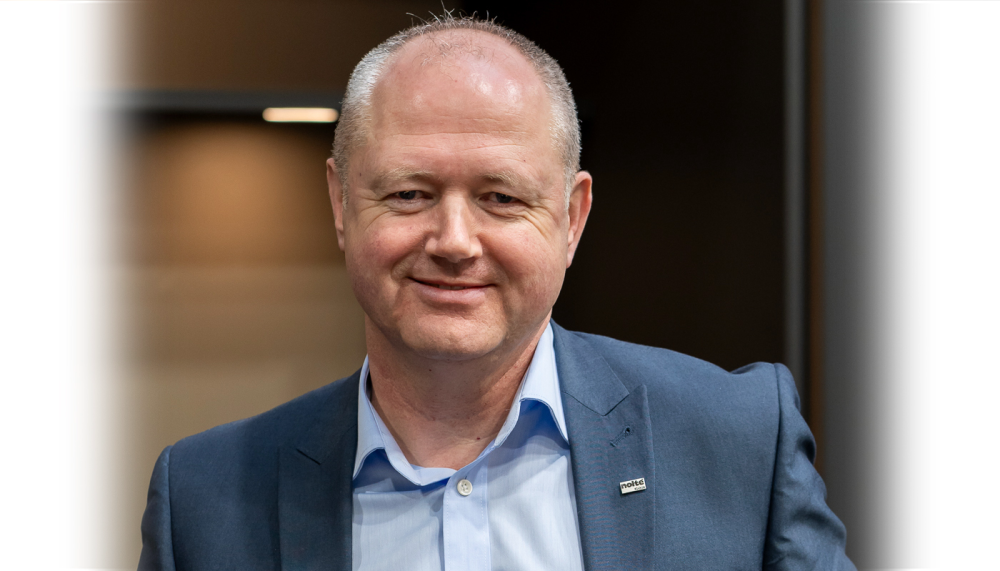
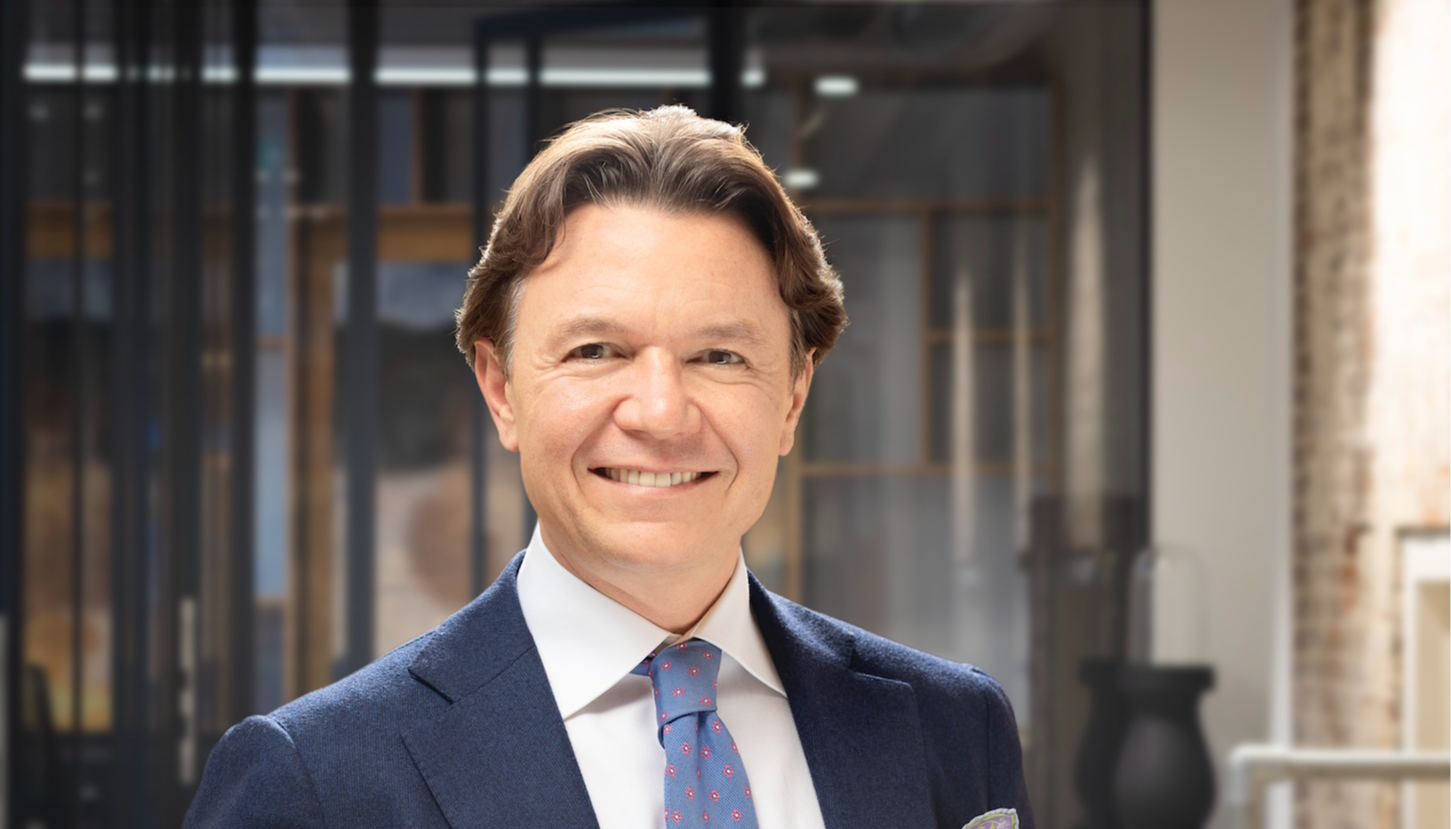
Commenting on the launch of the Smart Living Index, Beko CEO Hakan Bulgurlu, pictured, said: “The Smart Living Index highlights the urgent need to bridge the trust gap in smart technology and its benefits to unlock its full potential for smarter, more sustainable living in every household. The findings also show how small, individual changes – when adopted at scale – can create significant collective impact. At Beko, we believe that consumers should have access to options designed to reduce environmental impact, regardless of financial pressures. By understanding global energy-saving trends and perceptions of smart appliances, we are even more equipped to meet the needs of our customers and support the shift toward more sustainable living.”
Tags: kitchens, news, beko, hakan bulgurlu, sustainable living, sustainability, appliances



Sign up to our newsletter
Most Read