Interview: Izzy Taylor-Wood on the design possibilities of concrete in kitchens and bathrooms
Wed 26th Aug 2026 by Clare Howcutt-Kelly
Interview: Izzy Taylor-Wood on the design possibilities of concrete in kitchens and bathrooms

Clare Howcutt-Kelly talks to Izzy Taylor-Wood, managing director at Woody’s Concrete Company, about the creative freedom that concrete offers – and why its versatility is making it an increasingly exciting material for kitchens, bathrooms and interiors.
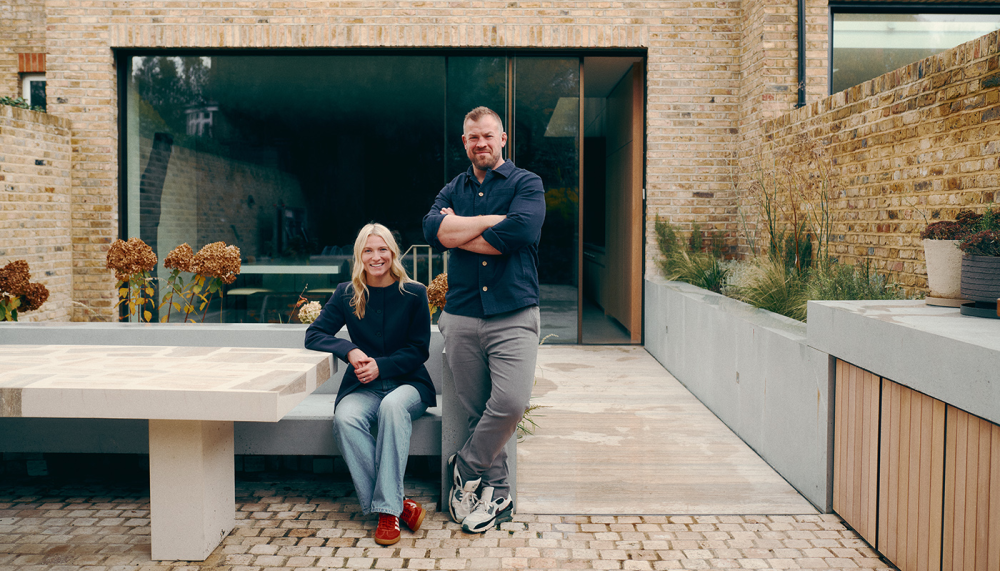
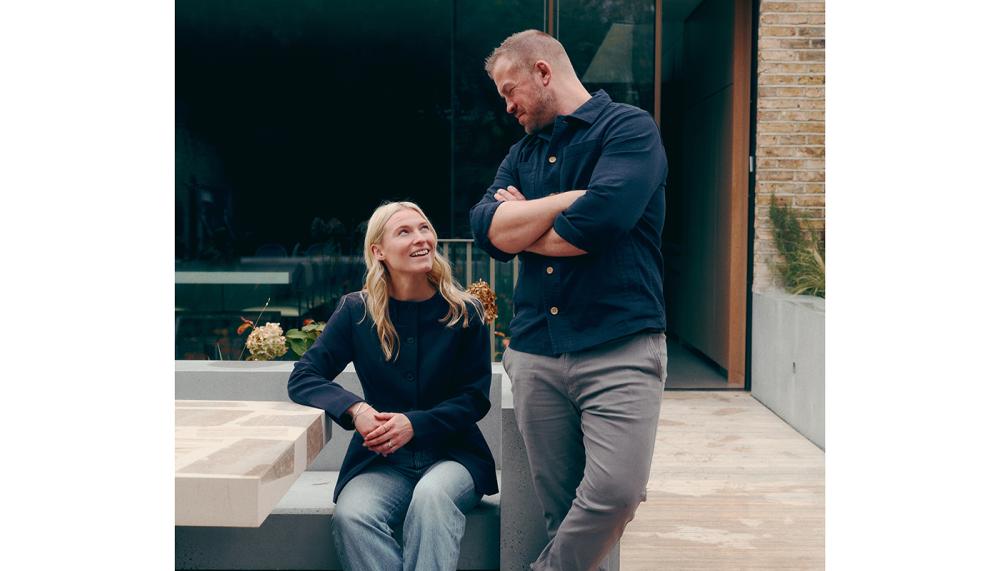
Woody’s Concrete Company is a specialist in creating beautiful polished concrete surfaces for domestic and commercial projects. Founded by husband and wife duo Steven Wood (ground operations director) and Izzy Taylor-Wood (managing director) in 2017, Woody’s works closely with clients, designers and architects to form bespoke polished concrete surfaces for everything from floors and worktops to basin, staircases and kitchen islands.
Q: What first drew you to working with concrete, and what inspired you to establish Woody's Concrete?
A: Woody (my husband Steven) actually comes from a construction background, working with concrete long before decorative concrete became widely recognised in residential interiors. I came from an architectural background, and together we saw an opportunity to completely rethink how people perceived the material.
When we founded Woody's in 2017, there were very few companies specialising in handcrafted architectural concrete in the UK. We weren't interested in creating something that looked manufactured or perfect. Instead, we wanted to celebrate the natural character of concrete and show that it could sit comfortably alongside the most considered interior schemes.
That philosophy still underpins everything we do today. Every piece is designed, cast and finished by hand in our Oxfordshire workshop, with the understanding that no 2 installations will ever be identical. For us, that's where the beauty lies.
Q: Concrete has evolved hugely as a kitchen material in recent years. What do you think it can achieve in kitchen design today that other worktop materials can't?
A: Concrete offers an extraordinary level of freedom, which I think most people don’t quite understand. Unlike many natural stones or engineered surfaces, it can be shaped, coloured and detailed specifically for a project rather than selected from a standard slab.
What excites me most is that it doesn't try to imitate another material. It has its own language. The subtle movement in the surface, the variation in tone and the soft tactility all create something with genuine depth and authenticity.
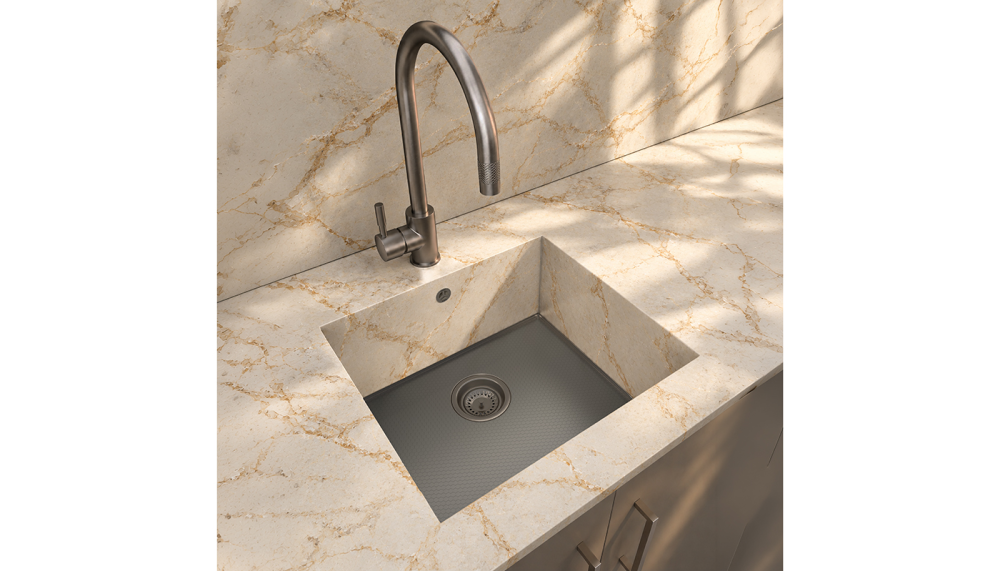
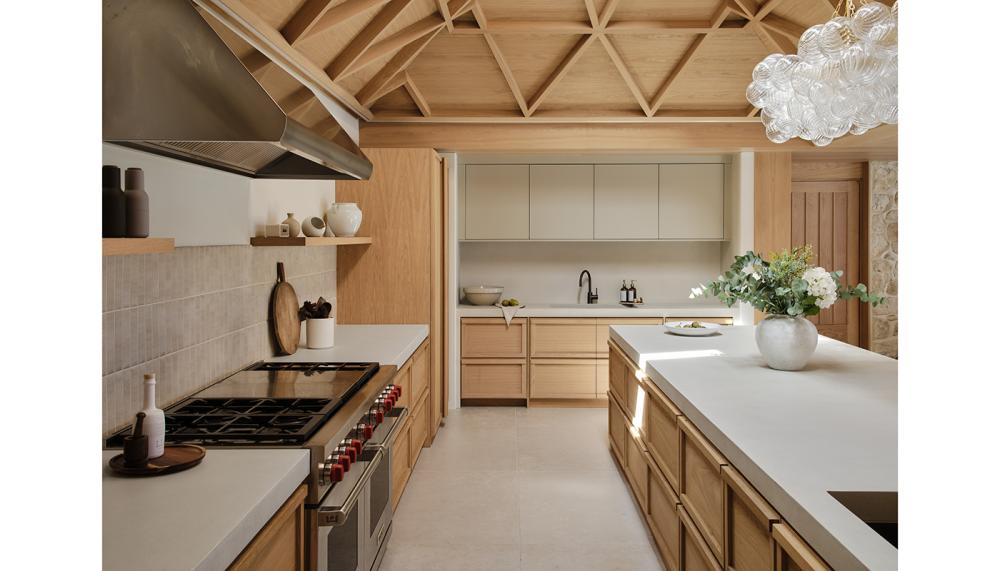
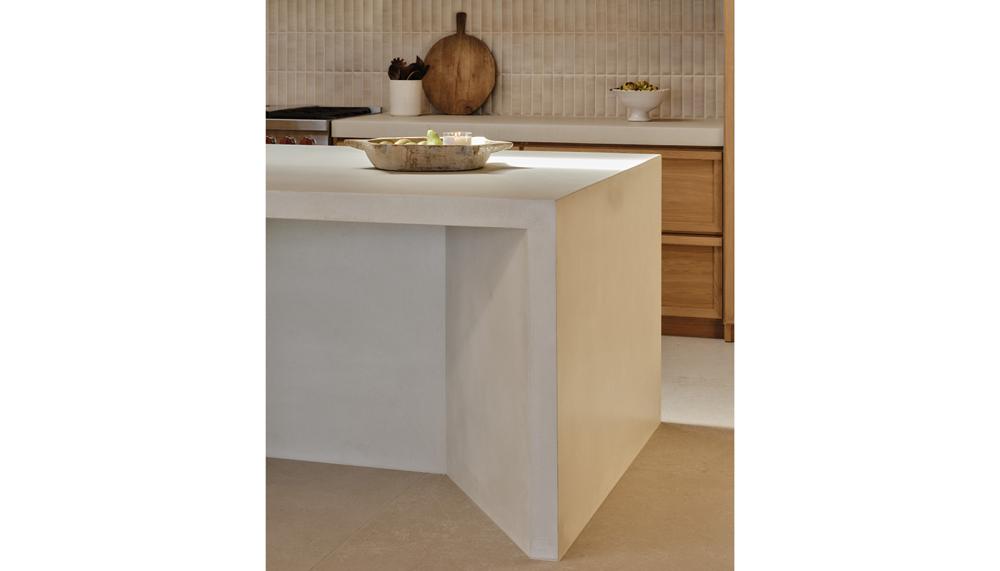
Architecturally, it also allows designers to create features that simply aren't possible with many other materials, like seamless islands, fully integrated sinks, sculptural breakfast bars, waterfall ends and bespoke furniture pieces that all feel connected as part of one design story.
Q: Can you tell us about any standout projects that really demonstrate the versatility of concrete, and what made those kitchens so special?
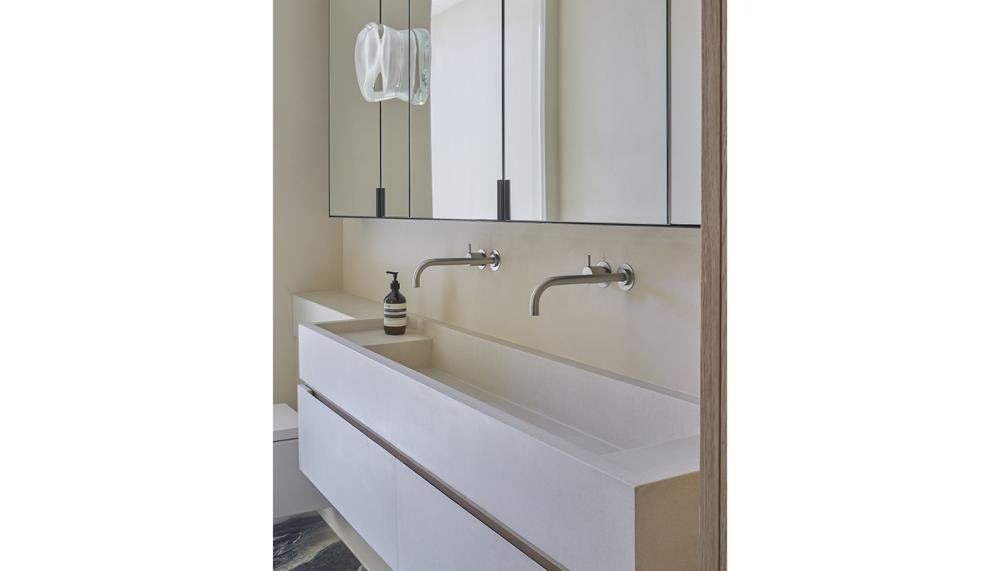
A: Two projects immediately come to mind because they demonstrate completely different sides of what concrete can achieve. Still House was a wonderfully collaborative project that extended far beyond the kitchen itself. Alongside bespoke concrete worktops, we created a series of custom basins, external cast concrete elements and a bespoke travertine waste table, allowing the material palette to flow seamlessly throughout the home. It really demonstrated that concrete isn't confined to a single application; it can become part of the architecture, furniture and landscape, creating a calm, cohesive language that connects inside and out.
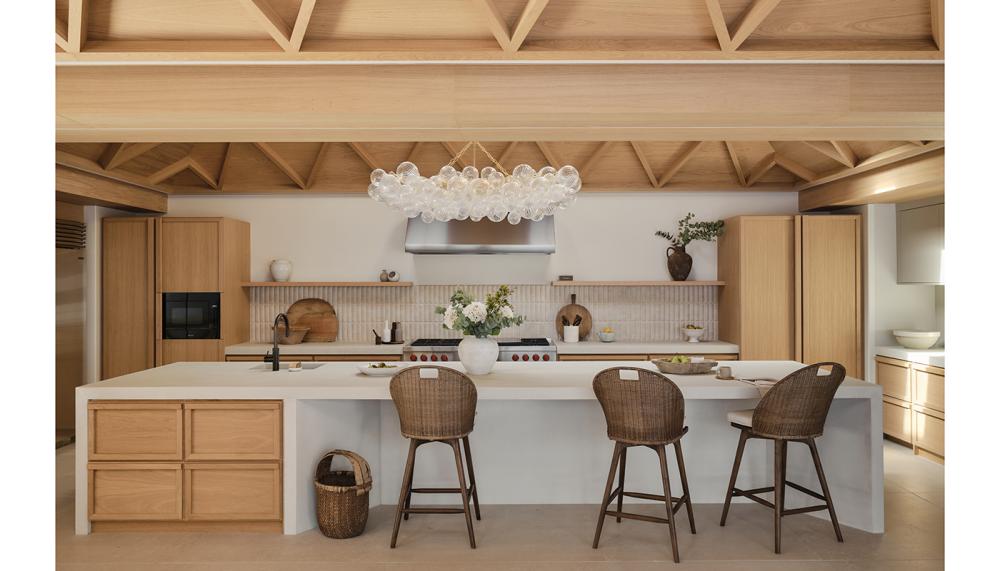
In contrast, Farmhouse was all about engineering and craftsmanship. The centrepiece was a bespoke island measuring over 5 metres in length, designed to appear as one continuous piece with no visible joins. We also integrated discreet pop-up power sockets within the surface, ensuring the practical elements disappeared when not in use. Projects like this highlight how concrete allows us to solve technical challenges while maintaining an incredibly clean, monolithic aesthetic.
Both projects reflect what we enjoy most: working closely with designers and architects from the earliest stages to create something that couldn't simply be selected from a catalogue. They're a reminder that concrete isn't an alternative to stone; it's a material with its own architectural identity and almost limitless creative potential.
Q: Many homeowners still have preconceptions about concrete being cold, heavy or industrial. How do you challenge those perceptions through your work?
A: Education is probably the biggest part of what we do. People often imagine rough, grey structural concrete when in reality, architectural concrete is incredibly refined. Our worktops are smooth to the touch, carefully sealed and available in a wide spectrum of colours, from soft off-whites through warm beiges and earthy tones to rich charcoals.
The other misconception is that variation is a flaw. We spend a lot of time helping clients understand that subtle movement, tonal shifts and natural markings are part of what makes each piece unique. Those characteristics aren't defects; they're evidence of a material that's been crafted rather than manufactured. Once people see and feel the material in person, those perceptions tend to disappear very quickly.
Q: From colour and texture to integrated sinks and bespoke details, what are clients asking for most at the moment, and how are you responding to those trends?
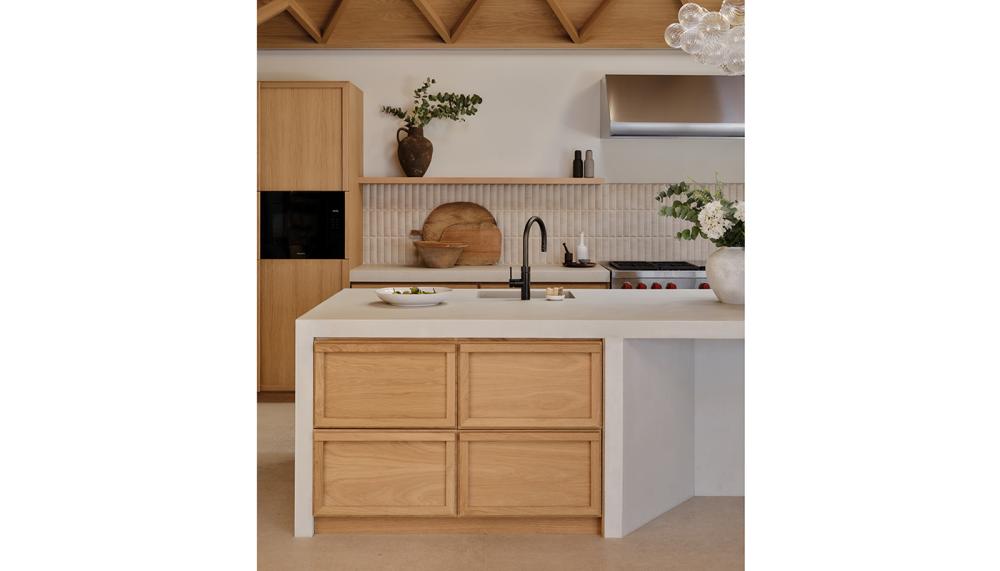
A: We're seeing a definite move towards softer, warmer palettes. Clients still love classic grey concrete, but increasingly they're choosing limestone-inspired neutrals, warm taupes and earthy colours that sit beautifully alongside natural timber and textured cabinetry.
There's also growing demand for complete continuity throughout the kitchen. Rather than simply specifying a worktop, clients are asking for integrated sinks, splashbacks, shelving and furniture pieces that all share the same finish.
Perhaps the biggest trend, though, is individuality. More clients want something that has been made specifically for their home rather than selected from a catalogue, and concrete lends itself perfectly to that level of bespoke design.
Q: When working alongside designers and retailers, what advice would you give on specifying concrete worktops to achieve the best results, both aesthetically and practically?
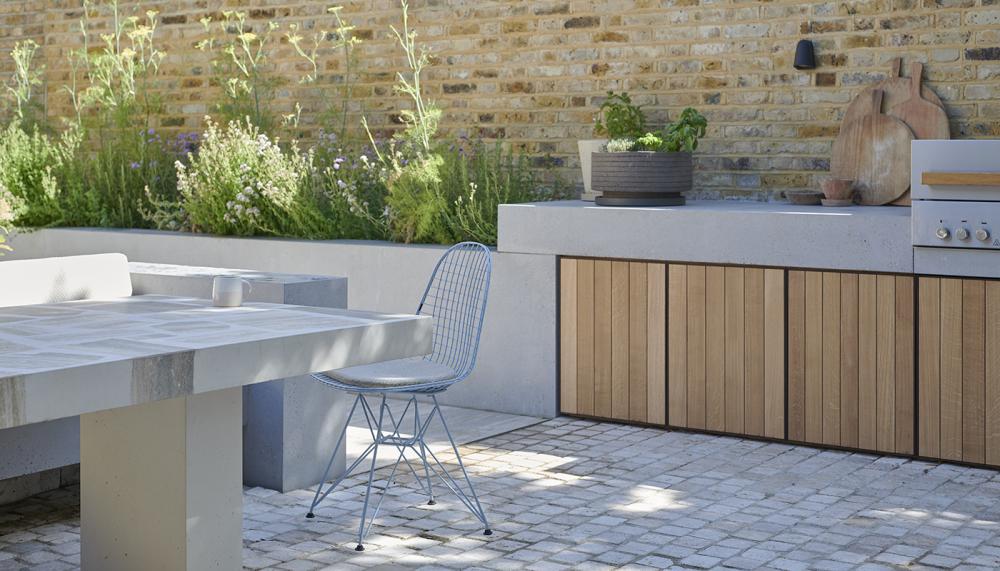
A: Bring the concrete specialist into the conversation as early as possible. The best projects are always collaborative. Details such as overhangs, support requirements, sink selection, tap positioning, hob cut-outs and cabinetry tolerances are much easier to resolve during the design stage than on site.
I'd also encourage designers to embrace the nature of the material rather than trying to eliminate it. Concrete will always have subtle movement and variation, and designing with those characteristics rather than against them results in far more successful projects. Finally, I'd say don't be afraid to ask questions. Every project presents different opportunities, and early conversations almost always unlock better design solutions.
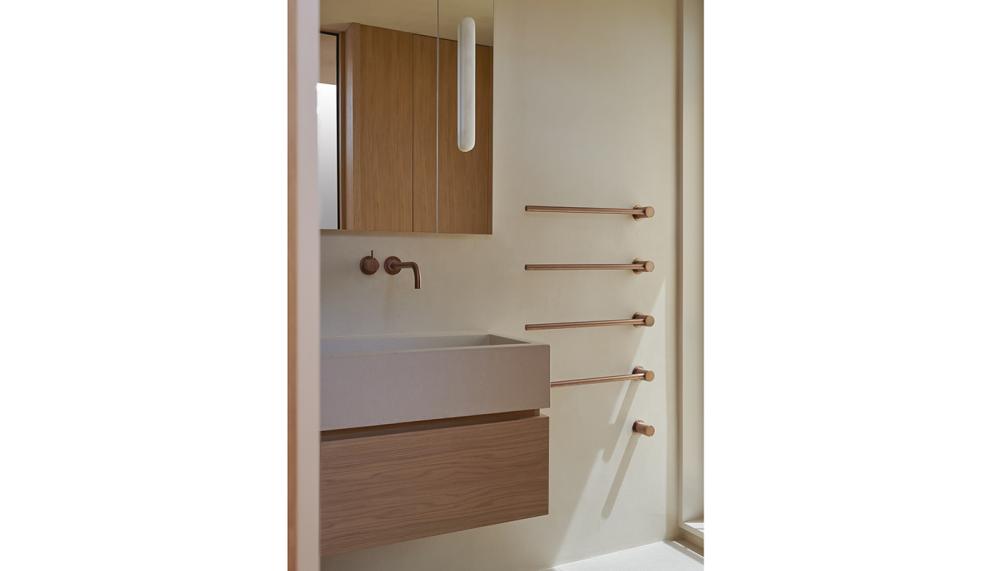
Q: Looking ahead, where do you see concrete fitting into the future of kitchen and bathroom design, and what innovations are you most excited to explore next?
A: I think we're seeing a wider shift away from mass-produced interiors towards materials with authenticity and craftsmanship, and concrete sits very naturally within that movement. People increasingly want kitchens and bathrooms that feel personal and timeless rather than trend-driven. Concrete offers that because every installation tells its own story.
For us, the future is about continuing to push the creative possibilities of the material. We're exploring new colour technologies, finer detailing, integrated lighting and furniture, and ways of making concrete feel even more sculptural within the home.
Ultimately, our ambition isn't simply to manufacture worktops. It's to help redefine what people believe concrete can be.
Tags: interview, features, woody's concrete company, izzy taylor-wood, kitchens, bathrooms, concrete

Sign up to our newsletter
Most Read