Toilet flushing technology: How the latest innovations improve hygiene and water efficiency
Toilet flushing technology: How the latest innovations improve hygiene and water efficiency
As hygiene, quieter operation and water efficiency become increasingly important to consumers, Lisa Hibberd explores the latest innovations in toilet flushing and how new technologies are shaping the market.
The next generation of flushing technology isn’t simply about using less water – it’s about achieving a better balance between performance, efficiency, hygiene, noise and user experience. A recent survey by Geberit revealed widespread discontent with toilet performance, with 85% of consumers having felt frustrated by a one that doesn’t flush properly, while almost a third say they have been disappointed by the performance of a WC after installation. As expectations evolve and pressure around water conservation and sustainability increases, manufacturers are responding with innovations designed to address these demands.
“The bathroom wellness trend brings new opportunities for retailers, as design savvy consumers move beyond the traditional wish list towards an elevated set of expectations,” explains Richard Court, UK national sales manager for TECE. “Homeowners now expect long-term reliability and sustainability as standard, with the demand for quieter flushing technology and greater water efficiency as a priority. The prolonged drought affecting many parts of the country this summer has brought the importance of water conservation into sharp focus for many households, making features such as adjustable flushing valve technology an important talking point for retailers.”
“Housebuilders and specifiers face growing pressure to demonstrate sustainability credentials to buyers and regulators,” reports Sonia De Gioia, sales director (Showrooms) at Geberit. “This means advanced flushing technology now helps them differentiate their developments, rather than simply meeting a minimum standard.”
These changing expectations are already influencing the technologies being developed and brought to market, with manufacturers focusing on improvements that combine water efficiency with performance, hygiene and ease of use. “We're seeing continued refinement of dual-flush and variable-flush cisterns, along with smarter bowl geometry,” adds Sonia. “There is a point at which reduced flush volume starts to compromise performance, which is why manufacturers can't simply push volumes down – the rest of the system has to be redesigned alongside it. Push volume down too far without that redesign, and you risk incomplete waste clearance, marks, and blockages, undermining the initial goal.”
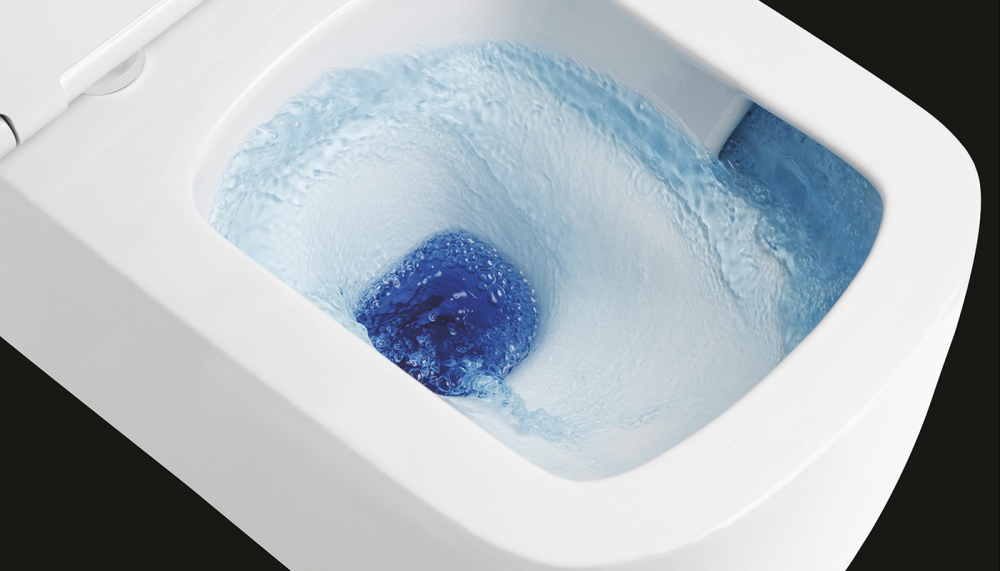
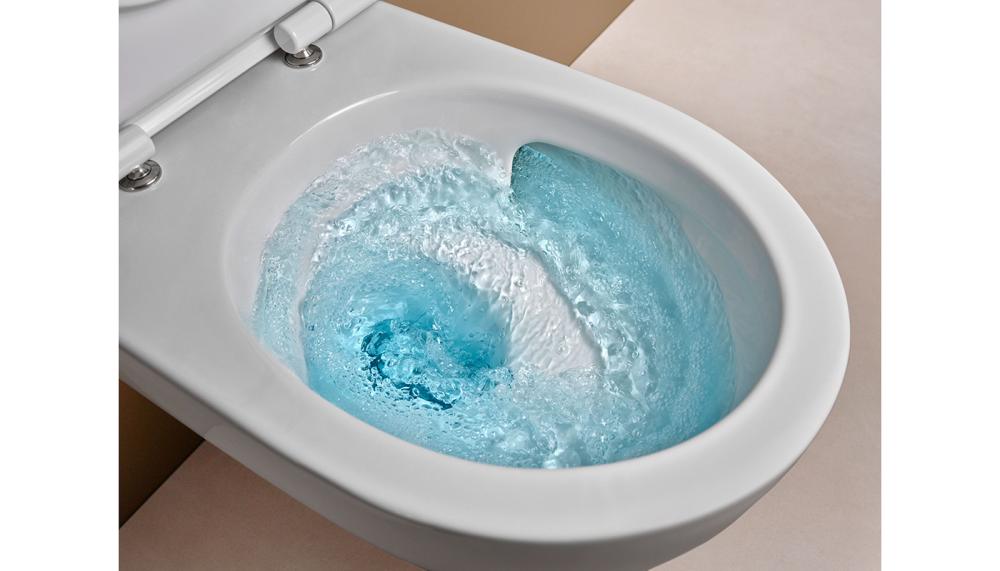
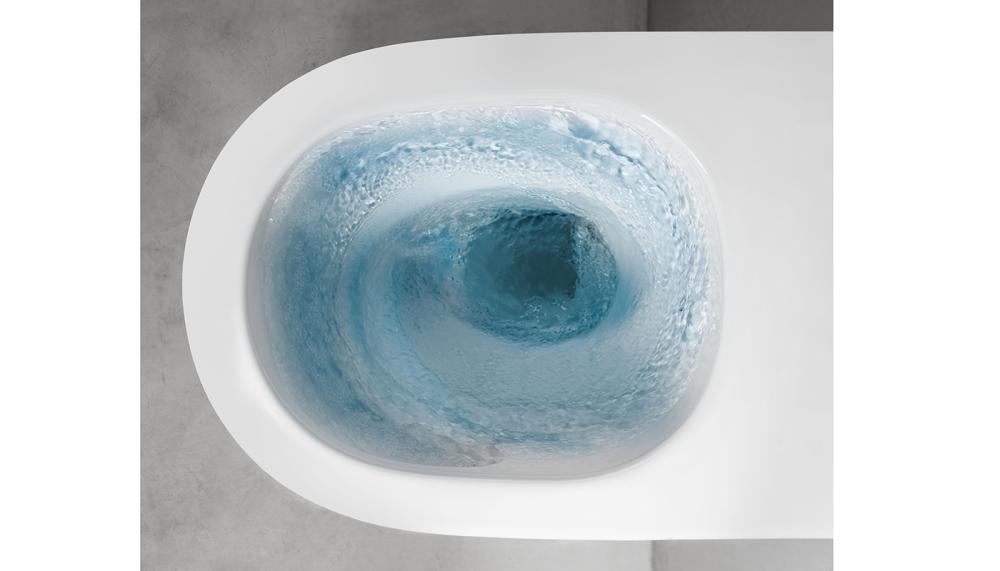
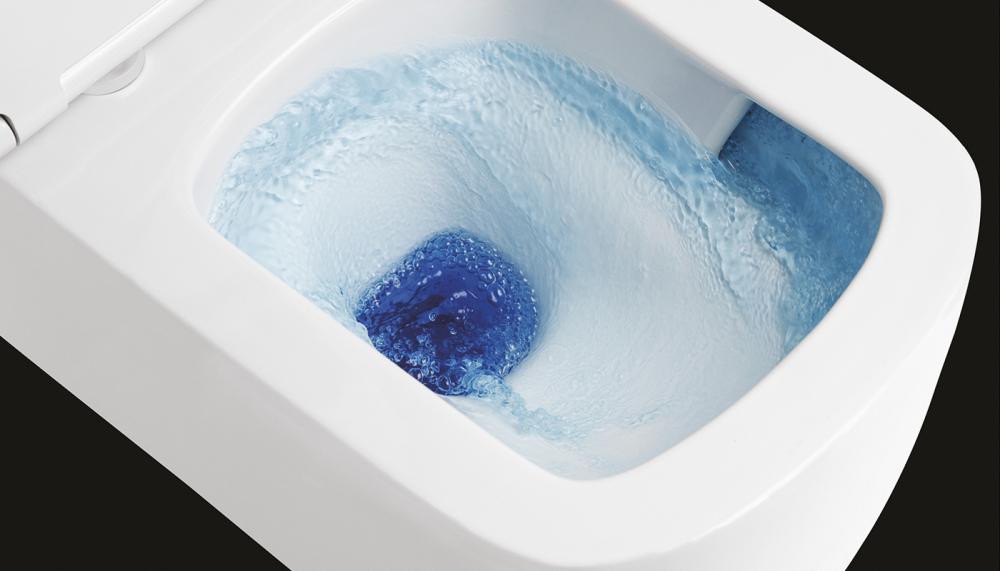
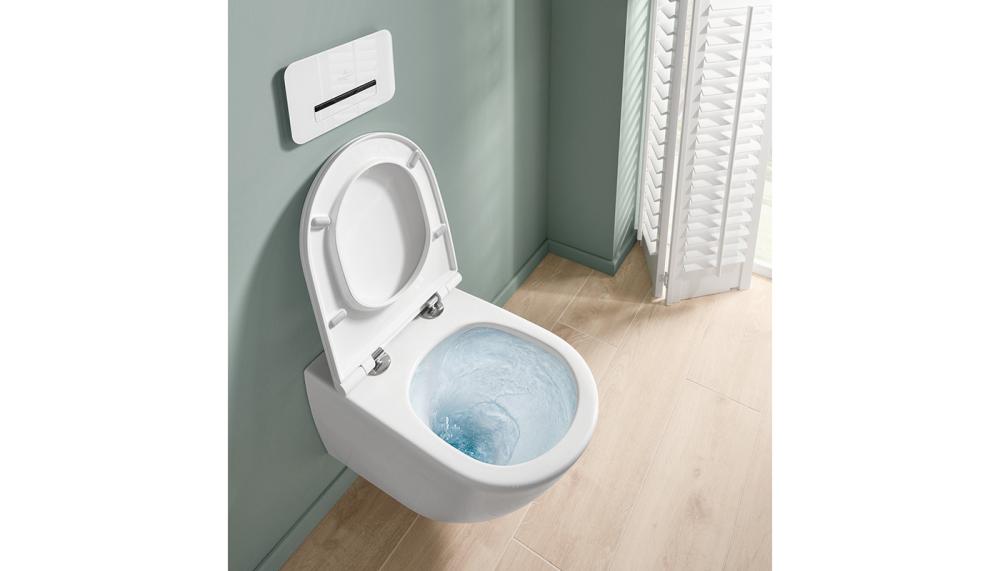
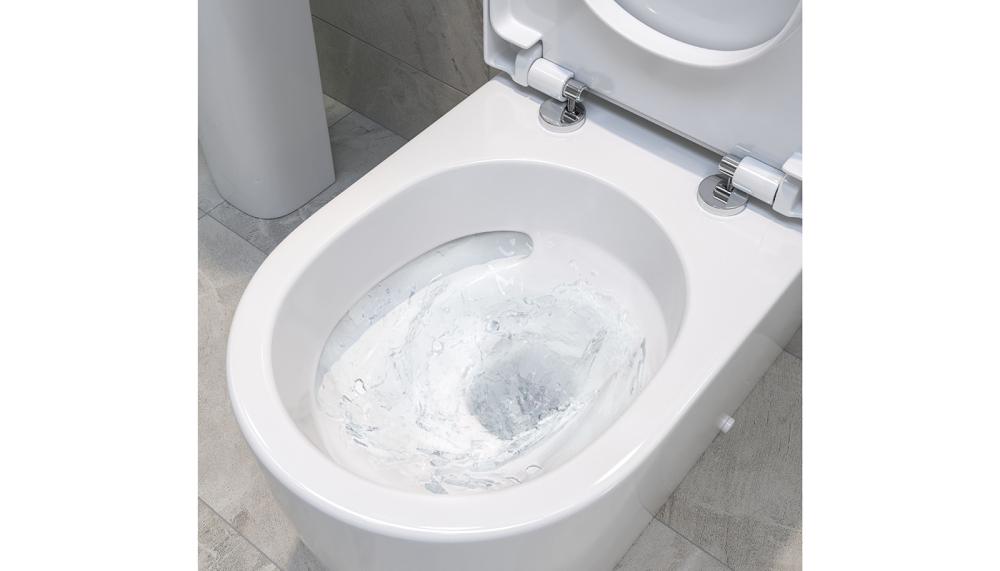
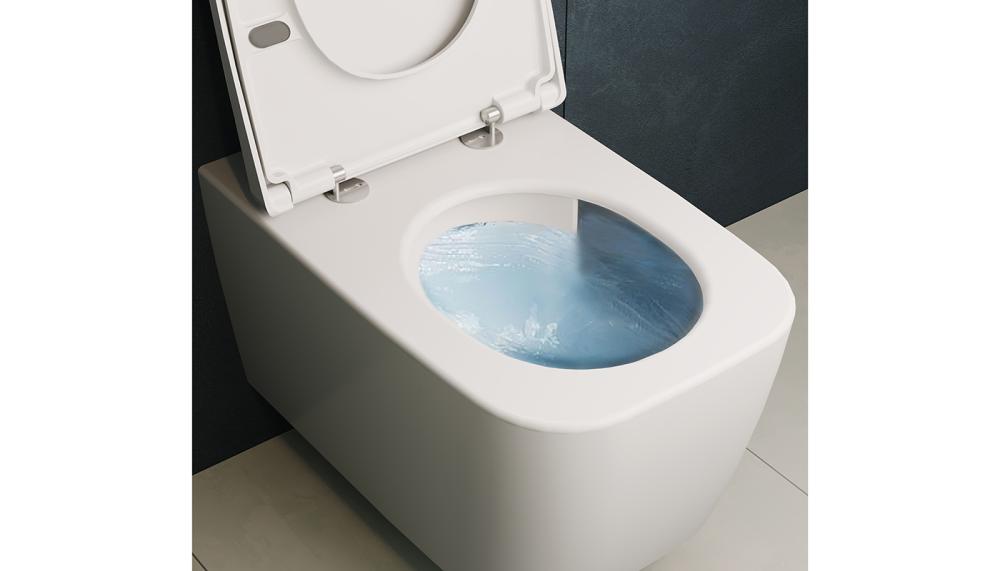
“One of the most significant developments has been the move towards vortex flushing systems,” says Yiota Toumba, senior interior designer at the Villeroy & Boch Group. “Rather than relying on a conventional flush pattern, these technologies use a powerful controlled whirlpool effect to clean the entire bowl more efficiently with less water.”
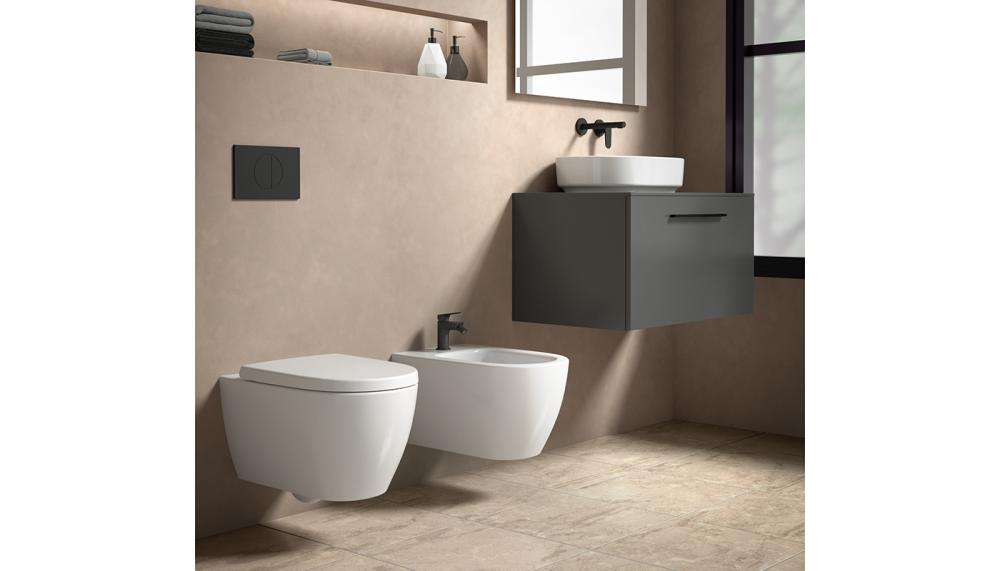
“Although water efficiency remains one of the biggest areas of development in flushing technology, simply reducing the volume of water used is not enough,” agrees Alex Holcroft, MD of SIAMP UK. “If a lower-volume flush does not perform effectively and the user has to flush twice, the intended saving is immediately lost. Noise reduction is an area where SIAMP believes it has a particularly compelling point of difference, particularly because the air gap required for regulatory compliance creates an inherent acoustic challenge.
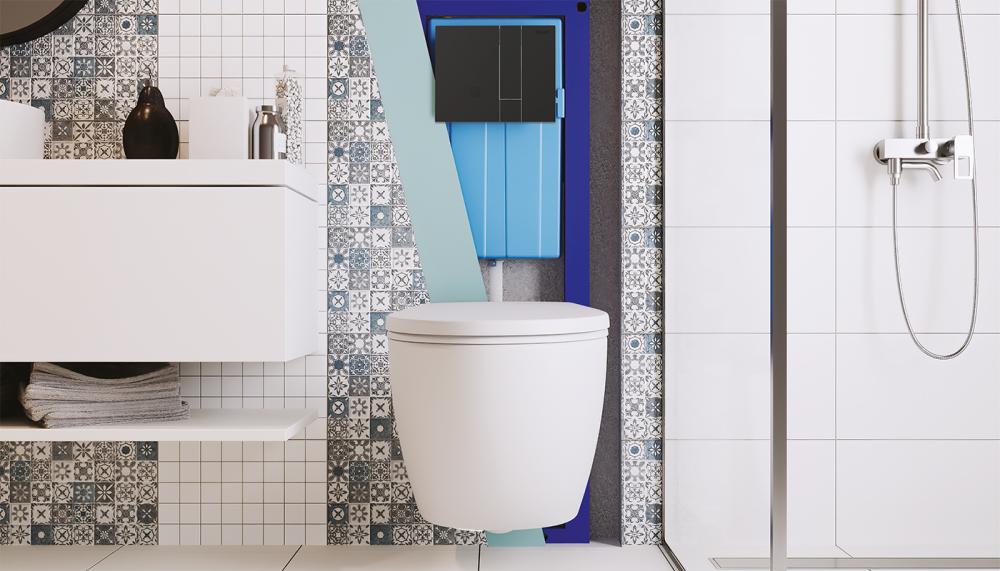
The air gap provides the physical separation needed between the wholesome water supply and water within the cistern that could potentially become contaminated, protecting against backflow. However, when incoming water falls through this required air gap, it can make the cistern considerably noisier as it refills. The inlet valve used within our Ingenio concealed frame range is an AC inlet valve and is Regulation 4 compliant. It has been specifically engineered to maintain the regulatory air gap and necessary backflow protection while controlling the incoming water to minimise refill noise.”
Although flushing technology is becoming more sophisticated, the installer remains critical to ensuring that the technology performs as designed. The important point is that modern flushing technology can make the WC a more engineered system rather than simply a ceramic bowl connected to a cistern.
Elina Enqvist-Twomey, leader, product management – flushing systems, fixtures and kitchen for LIXIL – GROHE UK, recommends that installers are made aware how newer systems can differ from traditional flushes. “Features such as rimless ceramics, advanced flushing mechanisms and integrated technologies can require greater attention for installation and assessing compatibility. Manufacturers therefore need to provide clear guidance and solutions that are intuitive to install.”
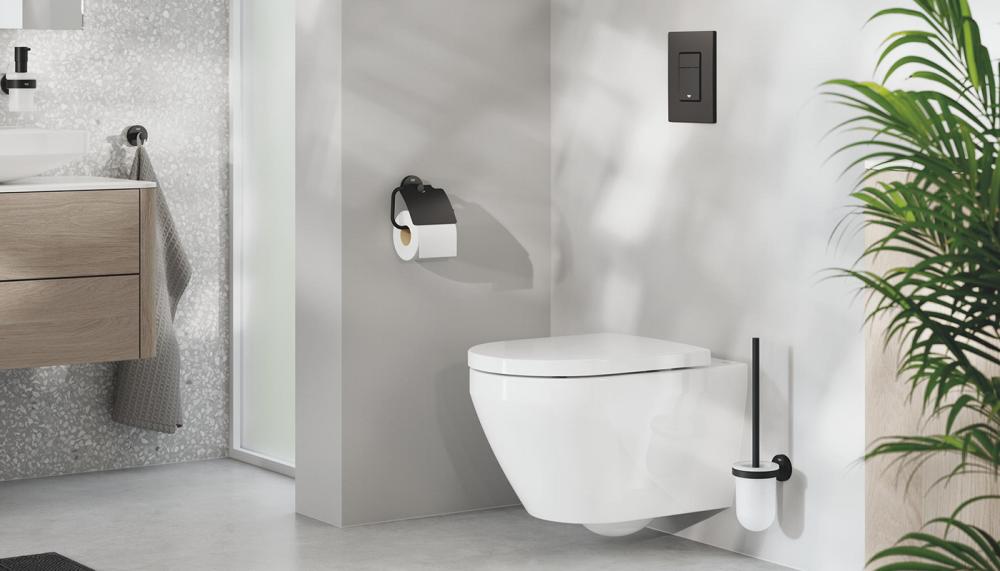
“A high-quality modern cistern frame offers installers maximum flexibility to easily adjust to the individual customer, their choice of WC pan and bathroom layout,” adds Richard Court, UK national sales manager for TECE. “TECE supplies as standard a choice of throttle rings sizes for quick adjustment, helping installers speed up or slow down flushing performance to achieve optimum cleaning and prevent splashes. This essential fine tuning feature saves valuable time and protects profitability for retailers by avoiding unnecessary call backs after the project is completed.”
While smart and sensor-controlled flushing systems are already commonplace in commercial and public environments, their popularity in the home is likely to depend on consumers becoming familiar with the technology. Nicola Friel, manager of VitrA’s specification and design hub in Clerkenwell, believes that this type of flush will become increasingly common in domestic bathrooms, although this is likely to be gradual. “Touch-free flushing already offers clear benefits in terms of hygiene, convenience and ease of maintenance. In the home, consumers will adopt these technologies when they provide a clear and meaningful benefit without adding unnecessary complexity.”
“As this technology becomes more accessible, touchless flushing is likely to become an increasingly familiar feature of the modern bathroom,” adds GROHE's Elina Enqvist-Twomey. “Alongside the immediate benefits of convenience and improved hygiene, automated flushing and wider smart bathroom technology supports with futureproofing and catering to the needs of an aging population.”
Tags: bathrooms, features, toilets, wcs, flushing technology, geberit, roca, tece, rak ceramics, villeroy & boch, ideal standard, siamp, pjh, grohe, vitra


Sign up to our newsletter
Most Read