Bathroom focus: How products balancing style with accessibility are now the gold standard
Tue 9th Jun 2026 by Nicola Hanley
Bathroom focus: How products balancing style with accessibility are now the gold standard

Homeowners are increasingly opting for functional and aesthetically pleasing bathroom products to create more accessible solutions. Nicola Hanley finds out more.
“Over the past year, we’ve seen a significant shift in how accessible bathrooms are specified and perceived,” says Mark Shepherd, head of product for Fitzroy of London. “The market has moved decisively away from purely clinical solutions toward design-led, universally inclusive spaces.
“There is a clear and growing expectation that accessible products should be indistinguishable from mainstream bathroom design. The days of institutional-looking grab rails and fittings are behind us.”
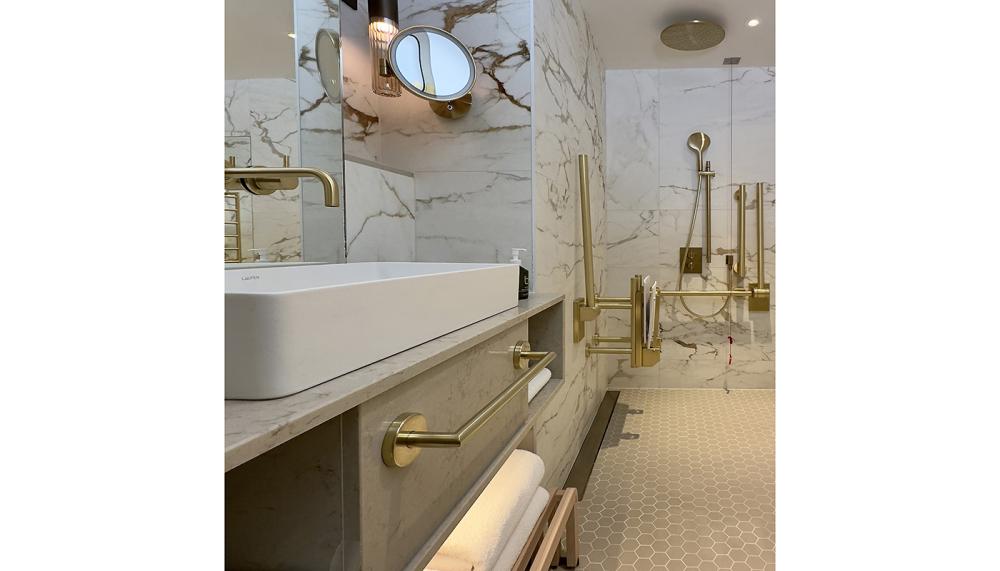
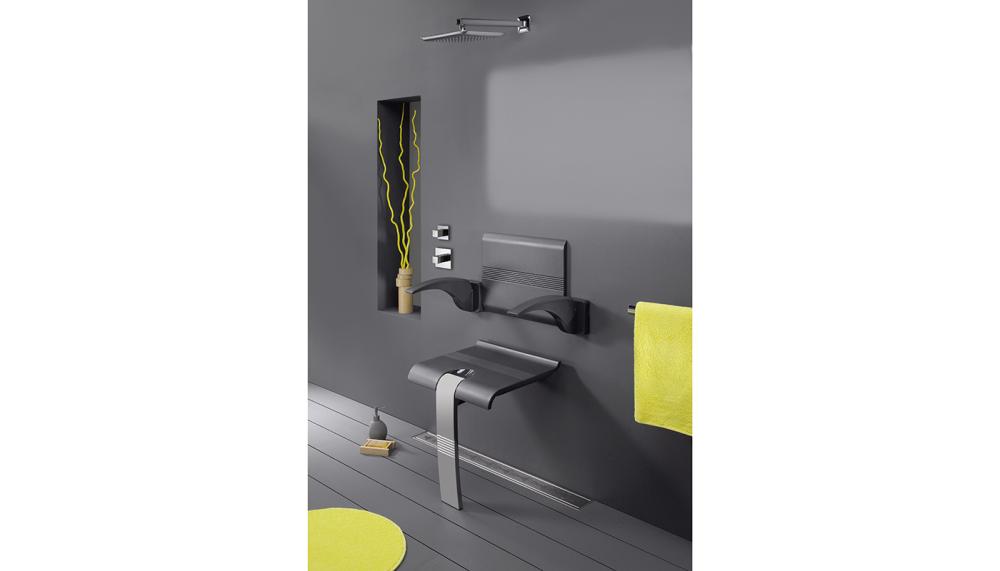
“Practical additions that support increased independence and ease of movement around a space, such as grab rails and arm supports for toilets, are now being offered in a much wider range of colour finishes,” agrees Lewis Neathey, leader, marketing & product management Grohe UK, LXIL, EMENA. “These products are no longer designed to stand apart from the overall scheme, but instead to fit seamlessly into the aesthetic, co-ordinating with other accessories and brassware within the room.”
It’s a change that has been welcomed by the UK’s ageing population, with a growing focus on wellbeing resulting in more consumers adopting lifestyles, and choosing beautifully designed products, that help them live better and more independently for longer.
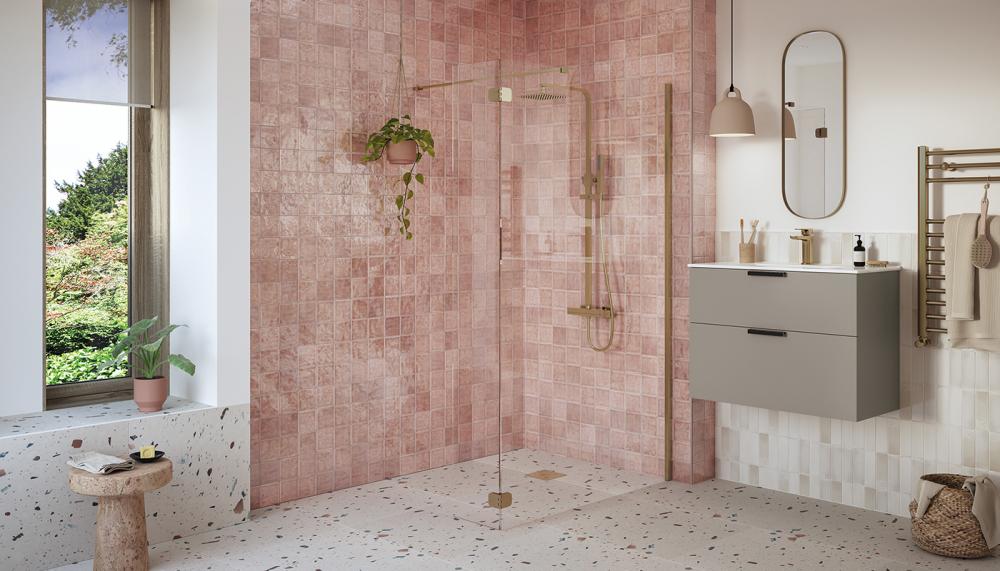
And it’s particularly important in the bathroom, which “can be one of the most challenging spaces for a person with limited mobility or other disabilities to access”, says Tanna Molyneux, showering product manager at Bathrooms to Love by PJH.
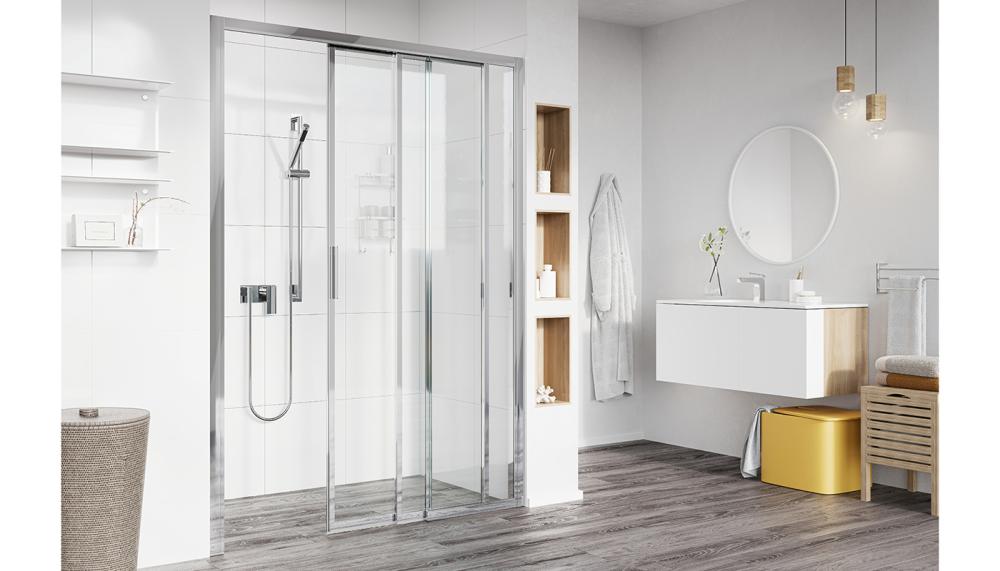
Every little detail counts when it comes to creating genuinely accessible bathrooms and designers need to consider different levels of mobility when creating inclusive spaces. “At Roman, we even test our handles for the grip strength required and aim to have all products opened with a flat hand – therefore negating arthritic fingers,” says Roman CEO David Osborne.
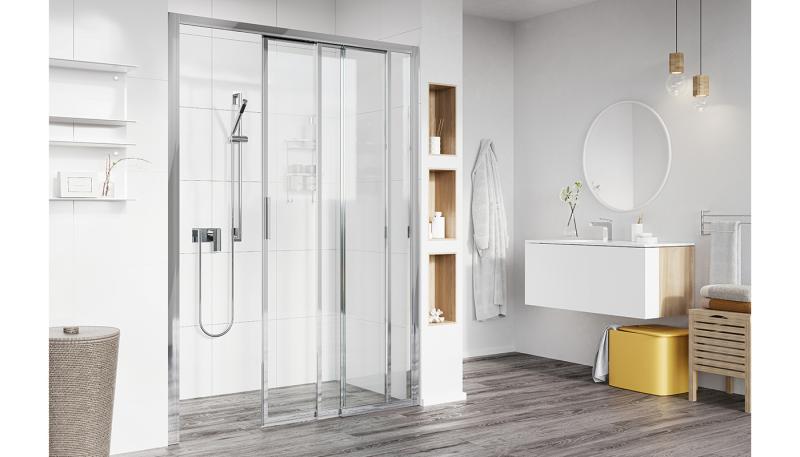
The showering market continues to evolve with enclosures, such as Roman’s new 3 Panel Slider, supporting multigenerational living. “What is so refreshing about the 3 Panel Slider is that it can be the best looking and best sliding product in a showroom while offering enormous benefits in terms of accessibility and functionality. This is the essence of inclusive design.”
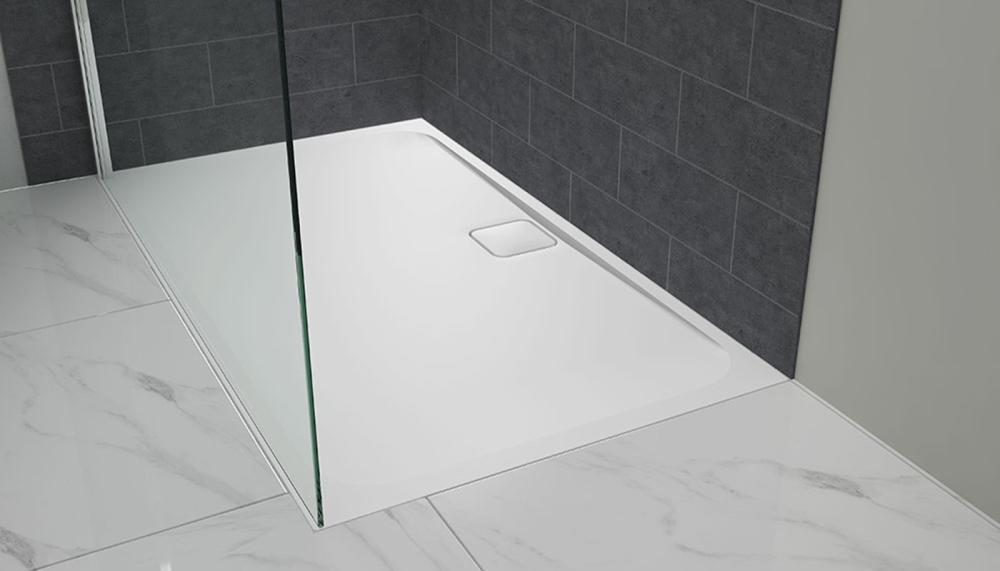
Low-level shower trays are also continuing to break down the barriers to creating stylish, accessible spaces. “Demand is centred on level-access solutions, with increasing focus on low-profile, anti-slip trays that create safe, step-free showering while also supporting a more comfortable, wellness-led experience,” says Eileen Slattery, director of marketing at Merlyn.
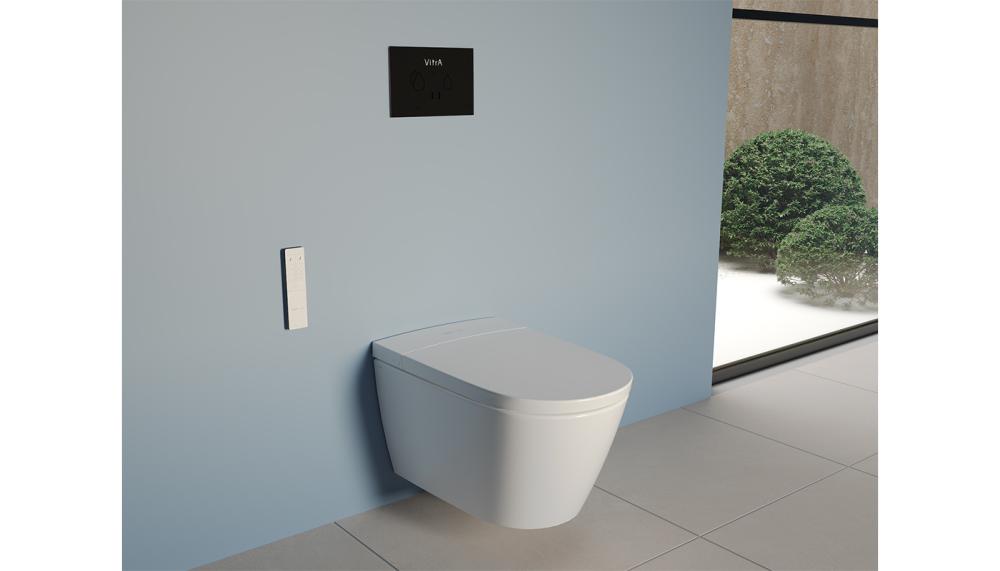
Likewise, wall-hung WC systems that can be installed at various heights can create a more comfortable and accessible position for users, explains Ashley Shires, MD at SIAMP UK. “The frame and cistern are concealed behind the wall, so the finished installation remains clean, streamlined and design-led," he says. "The wall-hung format also leaves the floor space clear, making the area around the WC easier to clean and helping to support a more hygienic bathroom environment.”
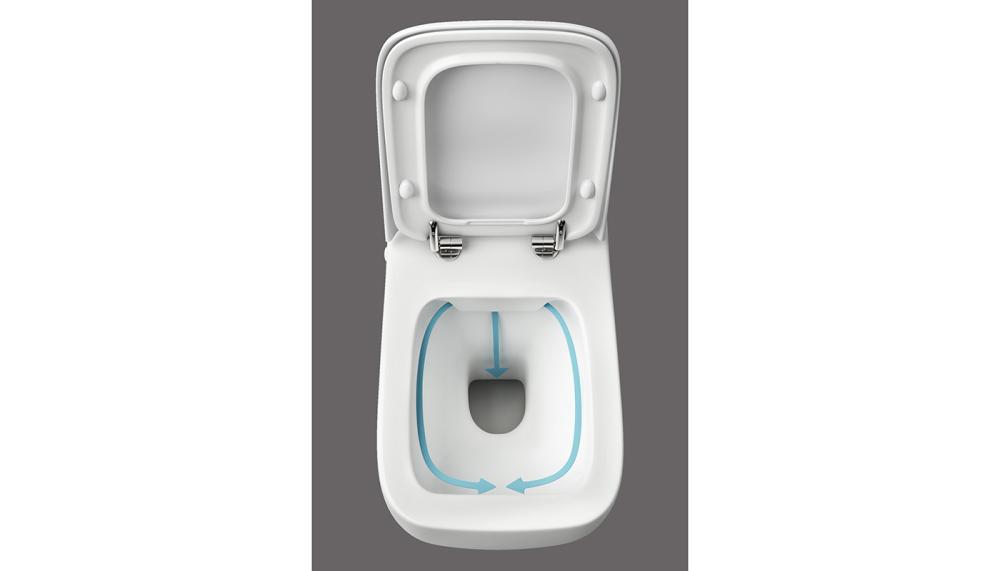
Cleanability is an important consideration, agrees Alvin Biggs, MD at RAK Ceramics UK. “For people with reduced mobility, products that are difficult to clean around or that require more frequent maintenance can create an additional challenge, so hygiene and ease of upkeep are becoming increasingly important parts of inclusive bathroom design. This is where products such as wall-hung WCs and rimless technology have a valuable role to play.”
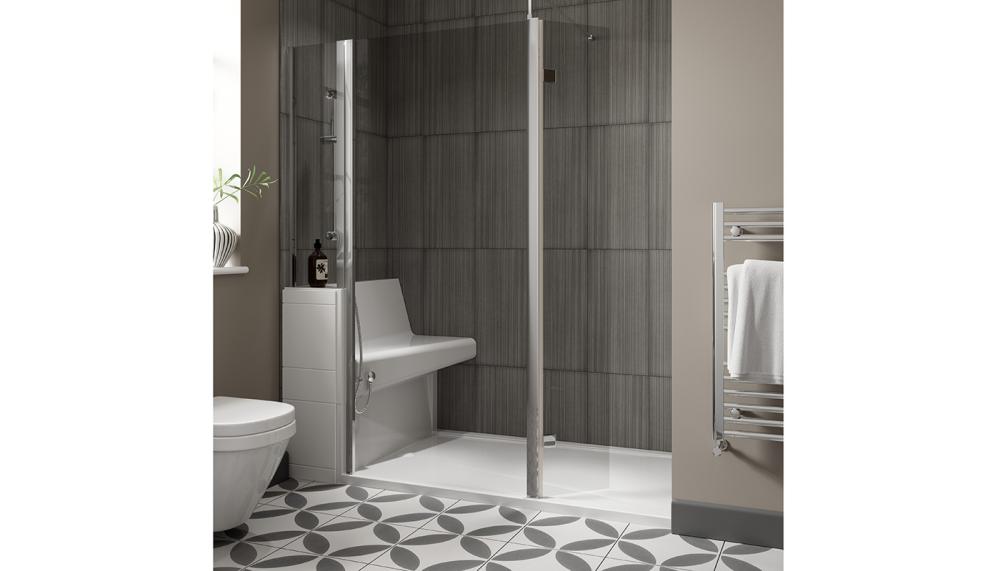
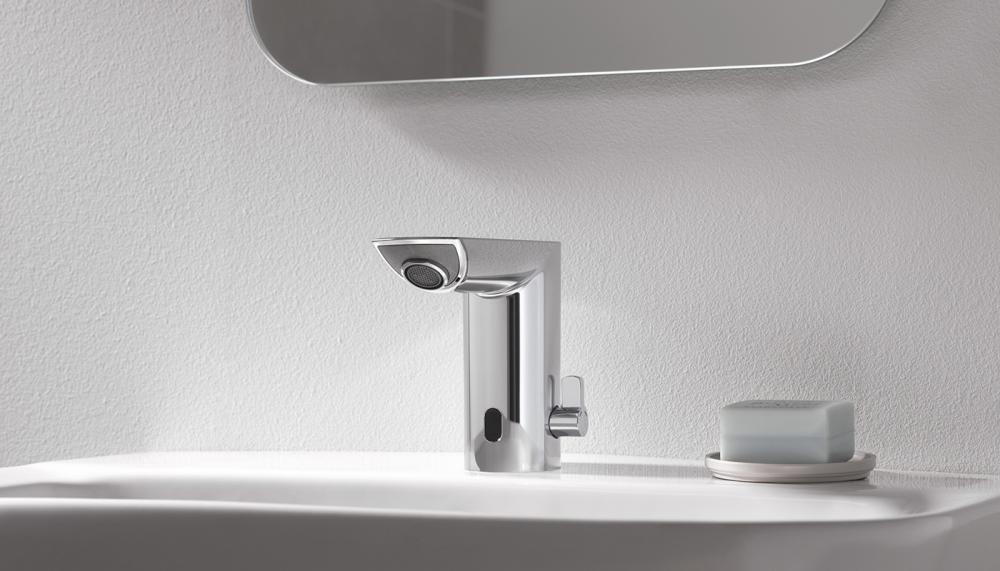
Technology will continue to make its mark in accessible bathroom design with products such as shower toilets and smart showers playing an ever bigger role. “The next stage for the accessible bathroom market will be about making inclusive design more mainstream. Rather than being seen as an add-on or a specialist requirement, accessibility will increasingly be built into products from the outset,” says SIAMP UK’s Shires.
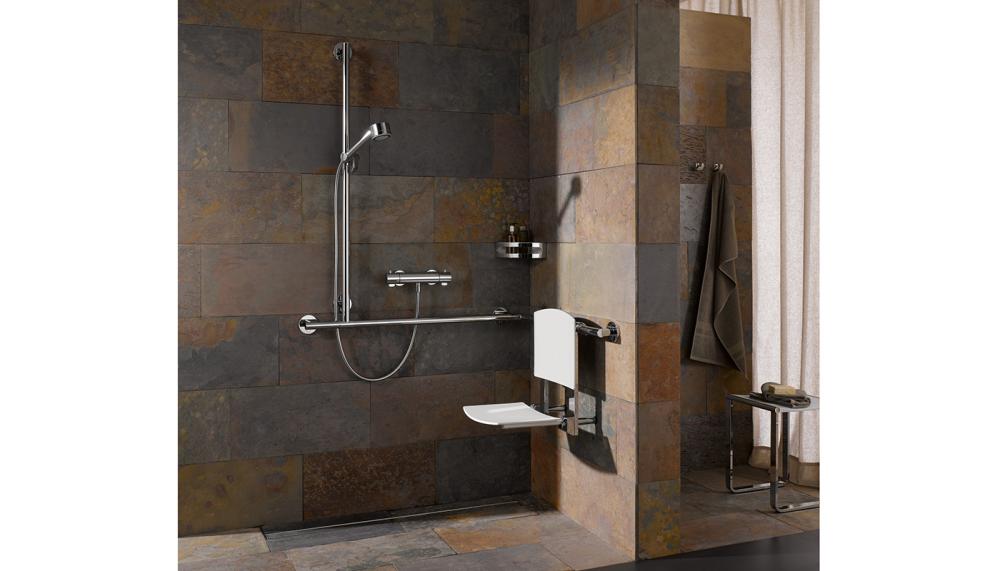
Fitzroy of London’s Shepherd agrees. “Ultimately, the future of the sector lies in removing the distinction between “accessible” and “standard” bathrooms altogether and creating spaces that are intuitive, inclusive and aesthetically refined for all users.”
Tags: bathrooms, features, accessible bathrooms, roman, fitzroy of london, rak ceramics, vitra, grohe, siamp, merlyn, pjh, trojan, keuco