How natural stone has become the defining look for luxury entertaining at home
How natural stone has become the defining look for luxury entertaining at home
From a compact drinks station in a kitchen, to a bar area in a dining room or even a dedicated wine room, home bars are increasingly being woven into the wider design of the home – Oliver Webb, director at Cullifords, reveals why real stone is the natural choice.
Home bars give people permission to be bolder with their interiors. They are spaces designed around entertaining, so there is often more appetite for richer colours, distinctive veining and finishes that might feel too dramatic across an entire kitchen.
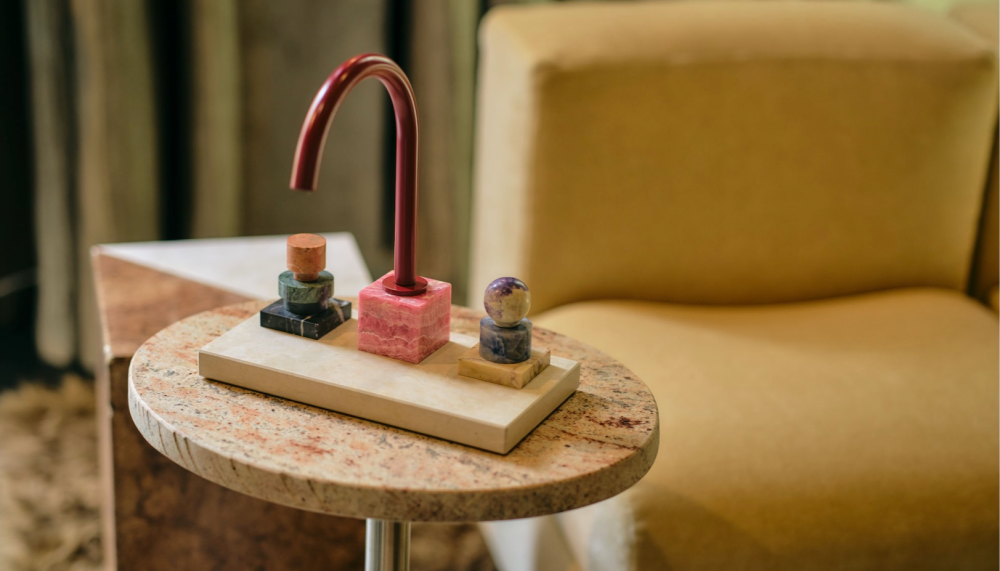
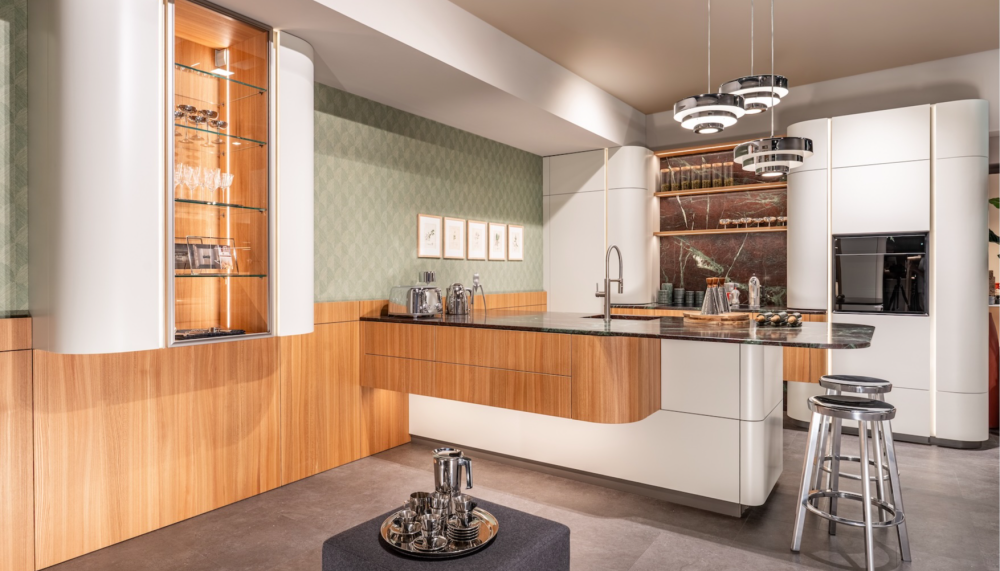
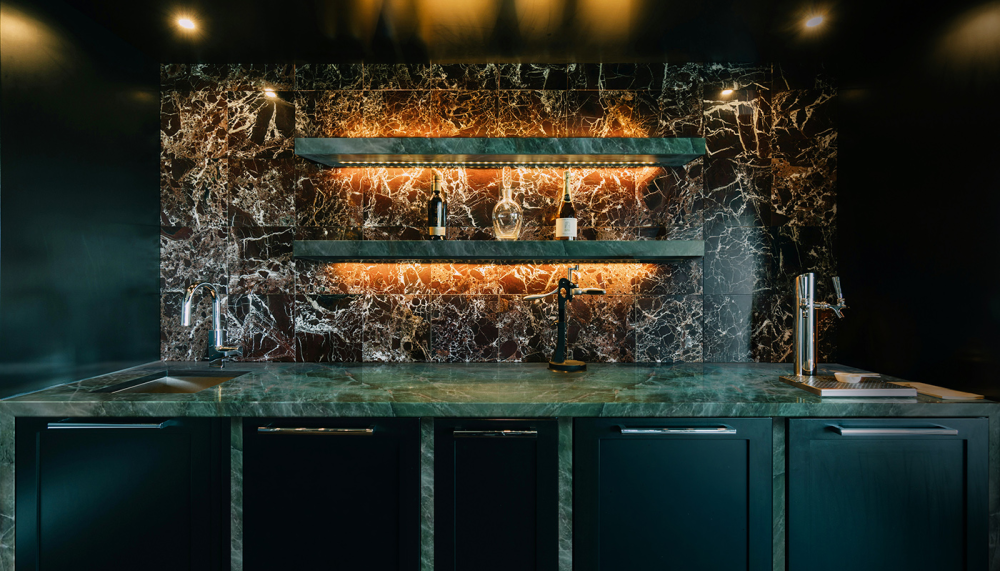
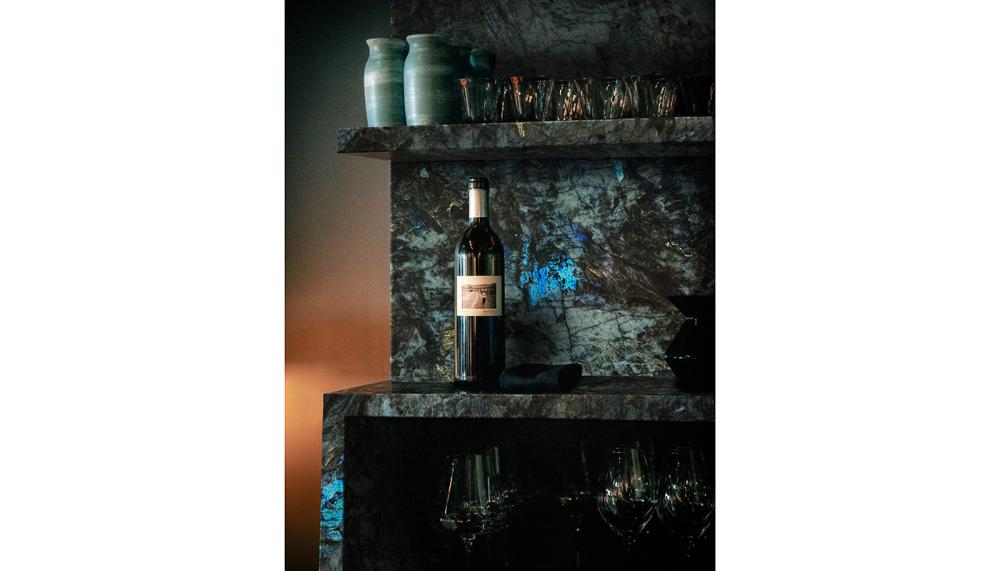
Darker stones are particularly effective in home bars designed for evening entertaining. Rich green quartzites, such as Verde Cosmopolitan, introduce depth, colour and natural movement, especially when paired with the striking tones of Rosso Levanto marble (both are pictured above). Under soft, low-level lighting, the stone’s intricate veining comes to life, creating a dramatic focal point that highlights bottles and glassware.
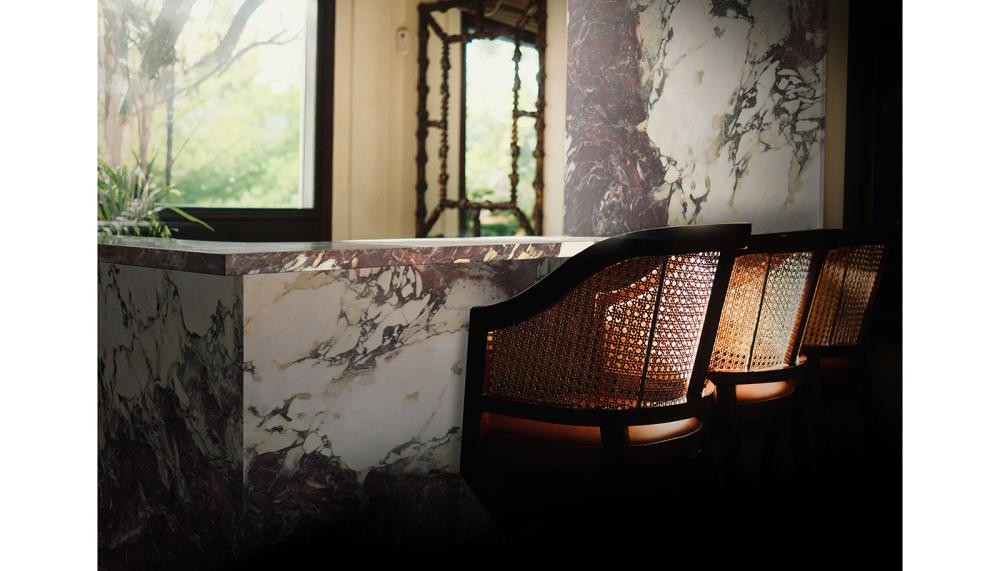
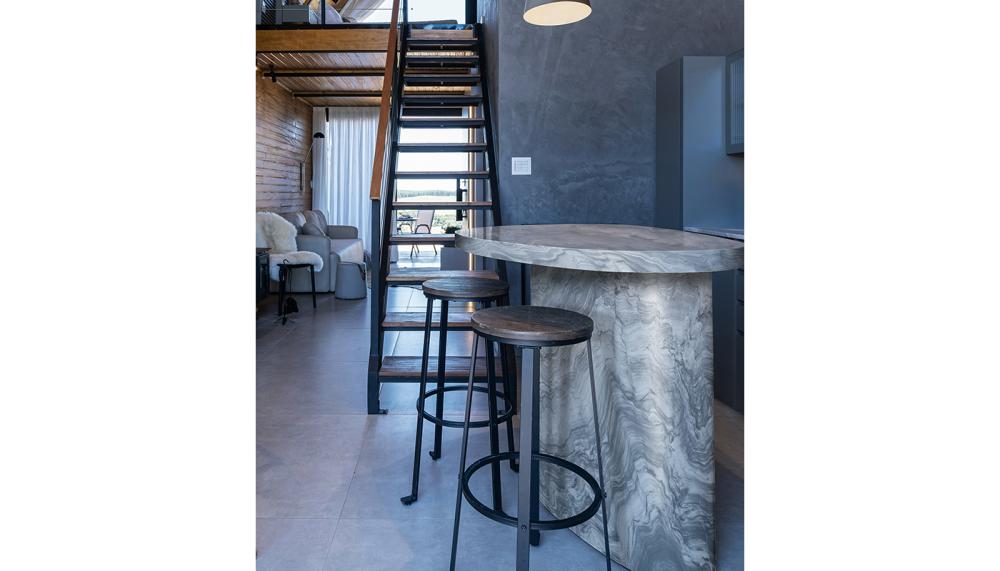
For a warmer look, Breccia Capraia offers richer movement and softer earthy tones. It works particularly well on a bar front or waterfall island, where the veining can continue from the top surface down the side of the unit. This gives the bar a more sculptural feel while helping it become part of the room rather than simply a functional surface.
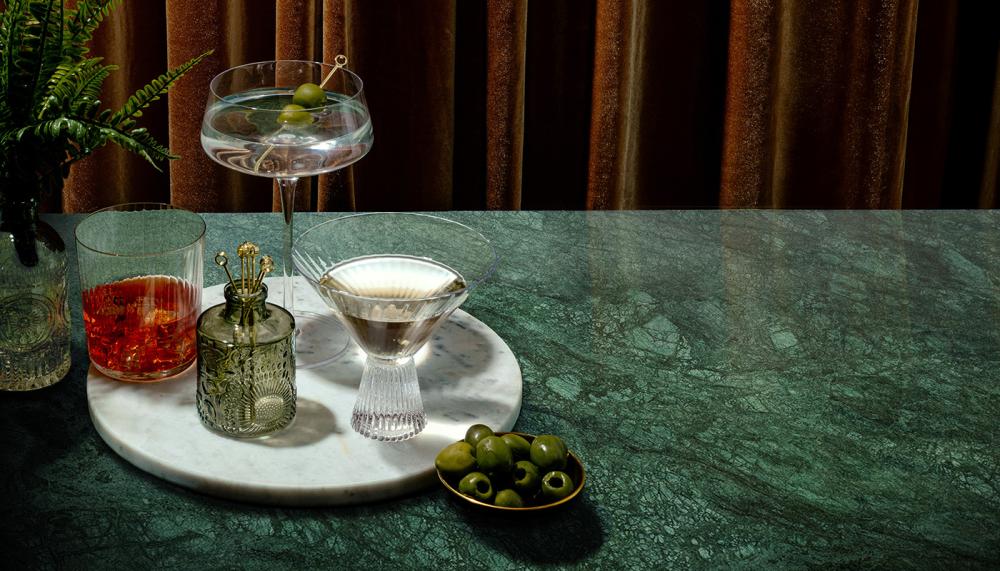
Lighter stones also have a place, particularly in home bars that sit within a kitchen or open-plan living space. Calacatta Vagli marble, with its soft white background and flowing grey veining, creates a brighter look while still bringing detail to the room. It works well across splashbacks, shelves and bar tops, especially where the aim is to link the drinks area to the wider kitchen scheme.
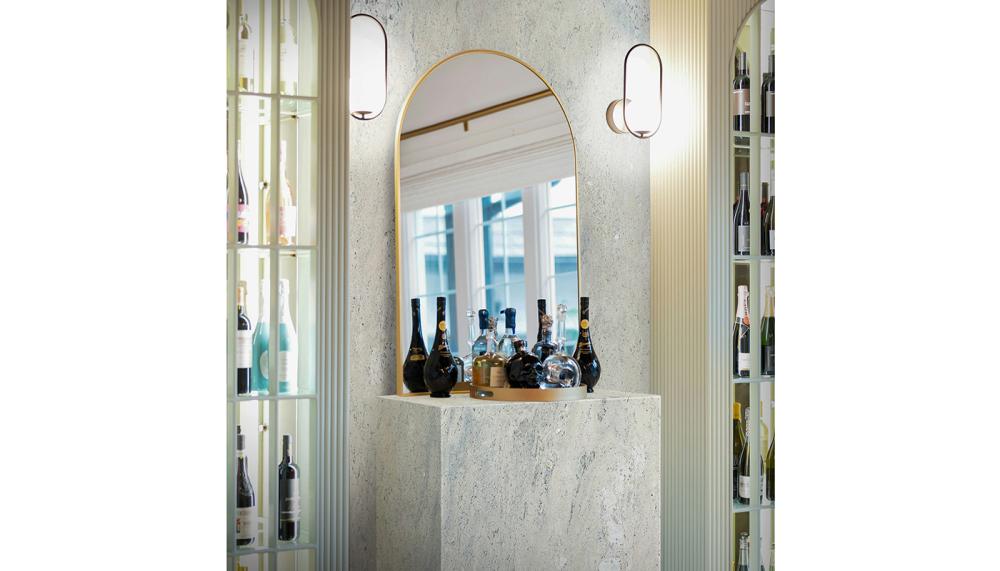
Natural stone is often chosen for the individuality it brings to a home bar. Each slab has its own variation in colour, veining and movement, meaning no two installations will look the same.
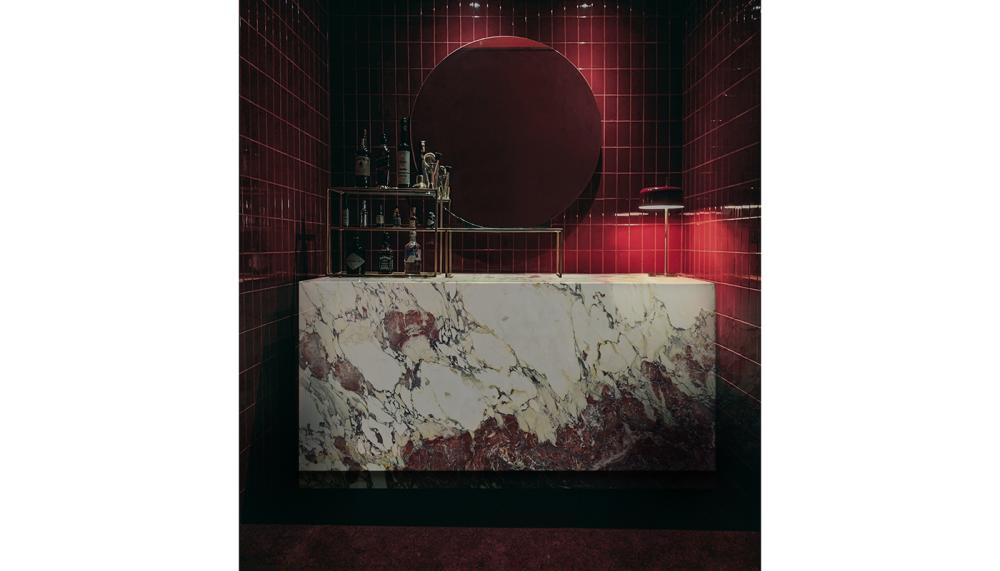
For homeowners who prefer a more uniform finish, engineered surfaces offer a practical alternative. Their consistency makes them well suited to larger bar tops and splashbacks, particularly in schemes where the bar needs to sit neatly alongside more streamlined cabinetry. The choice depends on the room’s aesthetic and how the space will be used. A stone with bold movement may suit a smaller bar where it can become the main feature, while a quieter surface can be used across several elements without dominating.
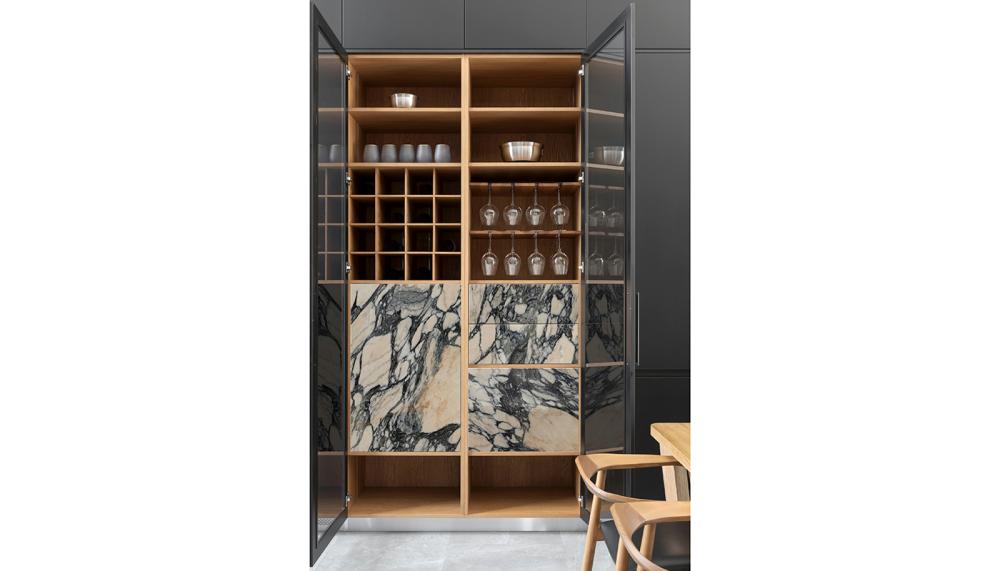
Wine rooms are also becoming more design-led, with homeowners extending the materials used in kitchens and bars into dedicated spaces. Rather than hiding bottles behind closed doors, wine collections are increasingly displayed via open shelving, glass-fronted cabinetry and illuminated niches.
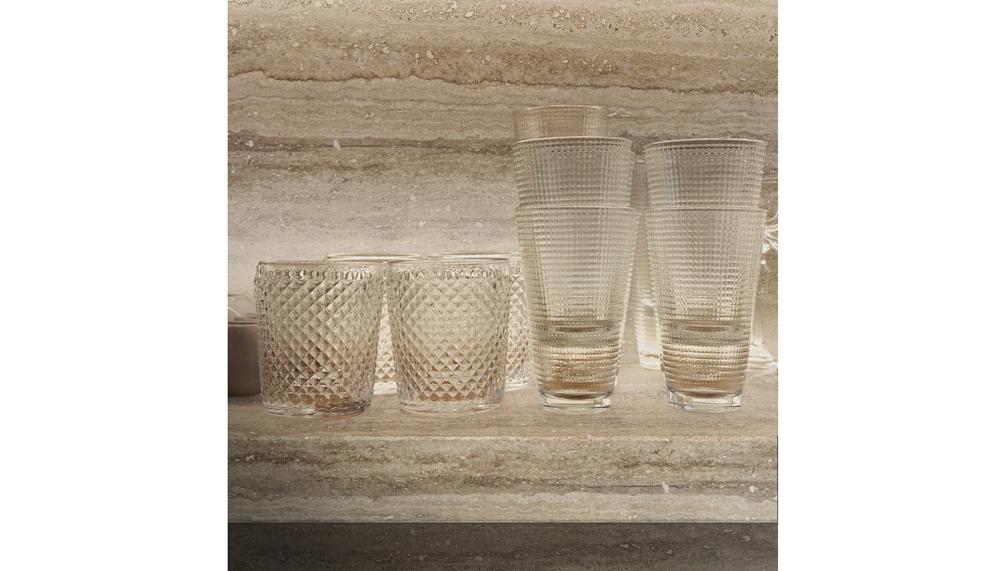
Stone can be used behind wine shelving, around a tasting counter or across a small island.. Darker marbles and quartzites work particularly well here, as they create a strong backdrop against glass, metal and timber. Lighter stones can make a compact wine roomfeel brighter, especially when paired with warm lighting and natural timber shelving.
As more homeowners invest in spaces designed around entertaining, the home bar has become less about storing drinks and more about creating an experience.
People want spaces that feel as though they belong in a boutique hotel or members’ club, but still work for everyday life – stone plays a big role in achieving that because every slab is unique. It gives the space personality while also offering the durability needed for regular entertaining.
Tags: insight, features, cullifords, oliver webb, natural stone, home bars, wine rooms, home entertaining, kitchens