Interview: Neptune CEO Mike Clark on building a premium brand beyond price
Fri 30th Oct 2026 by Tim Wallace
Interview: Neptune CEO Mike Clark on building a premium brand beyond price

Now sharpening its focus on kitchens, investing in its showroom network and resisting the pressure to join the race to the bottom, the boss of home retailer Neptune tells Tim Wallace why he's prioritising customer loyalty and sustainable growth.
You get the feeling that Neptune is playing to its strengths a little more since the arrival of chief executive Mike Clark in August 2024. The focus is now firmly on the categories where the brand has built its reputation – kitchens, living and dining – rather than chasing growth in every direction. For Clark, the opportunity lies in doing more of what Neptune does well, while building a business with the financial strength and customer loyalty to sustain it.
Clark's thinking is shaped by a career spent building brands and growing retail businesses. He spent a decade at sports, outdoor and lifestyle specialist Pentland Brands before moving to cycling retailer Wiggle, where he helped grow the business rapidly to £450m. At Neptune, he brings that experience to a business with a different ownership structure and a longer-term outlook. Founders John Sims-Hilditch and Giles Redman remain majority owners, giving Clark the freedom to plan beyond short-term performance.
He describes himself as a brand-building and turnaround specialist. At Neptune, the initial task was to strengthen the foundations while remaining true to the brand.
“The challenges of turnaround while obsessing on your brand aren’t easy,” he says. “We needed to create a plan that strengthened the foundations and set it on a pathway to sustainable, profitable growth.”
Clark’s work so far has put the business in a stronger position to invest. He puts last year's total turnover at approximately £73m, including £59m in the UK. Neptune generated between £7.5m and £8m in operating cash, he says, significantly improving its net debt position, and made a good profit before tax. That was despite the Government’s National Insurance hike, which he says “put an instant £500k dent in the business”.
Launched in 1996, Neptune has also agreed a long-term financing arrangement with HSBC. But Clark is keen to stress that growth must be funded responsibly.
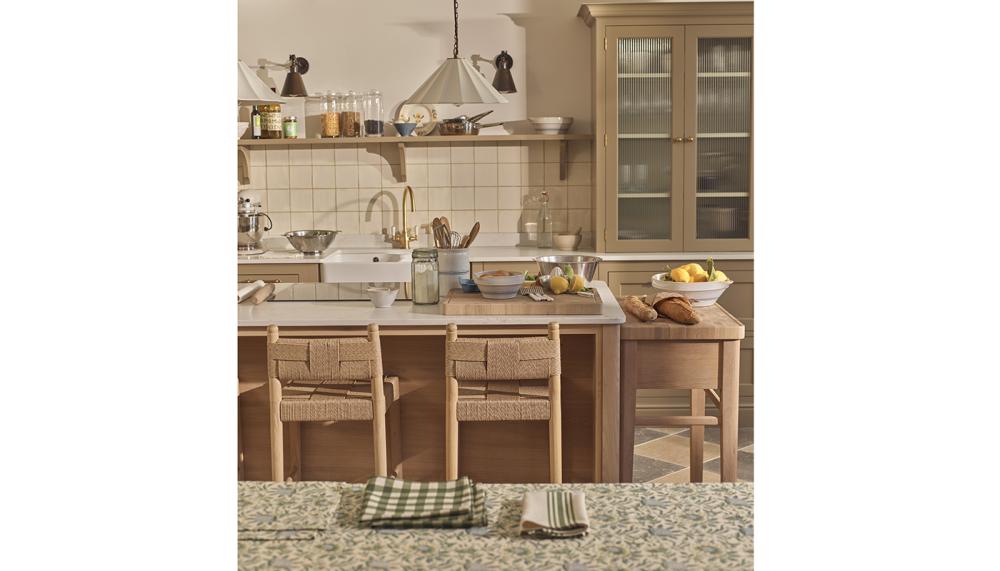
“We want to do that in a profitable, cash-generative way,” he says. “Ideally, we would generate our own cash and then invest in the right way to grow. We believe we can be a premium retailer, differentiated by service. We're a specialist furniture and cabinet maker.”
He points to the burden of debt as a factor behind many of the failures in retail over the past decade. For Neptune, the priority is to be, as he puts it, “fit for growth”.
Growth curve
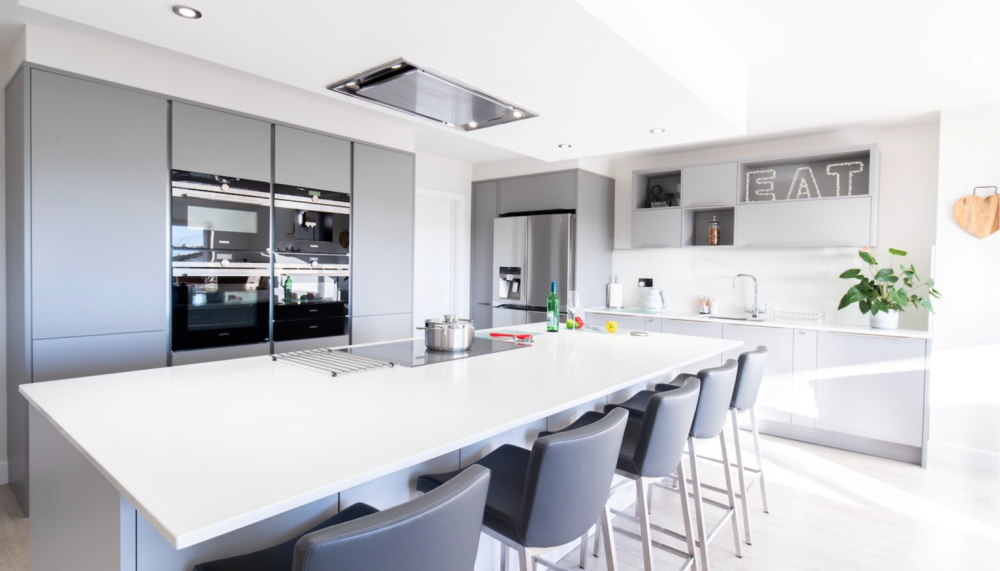
Despite the tough market, Clark remains positive about prospects on the kitchen side and says Neptune expects to sell “more this year than last”, although he is reluctant to put a figure on the increase. “We'll have a very strong year this year in kitchens,” he says. “I think in the current climate, we're definitely in the upper sector of kitchens, with the likes of DeVOL and Plain English. We're not in the mass-market sector. Most of our industry is stuck on price.”
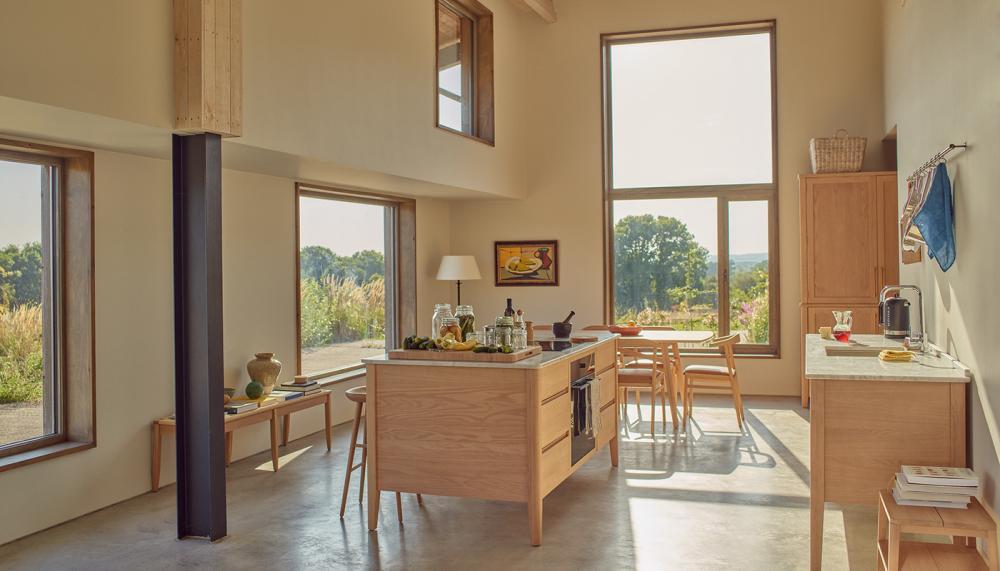
Clark sees kitchens as a way of establishing a broader relationship with customers, who may subsequently return to furnish other parts of their homes. As he puts it, “if you buy cheap, you buy twice.” “Those customers that buy kitchens have the best lifetime value,” he adds. “Once you put a Neptune kitchen in, you tend to then go room by room for your house.”
That relationship is supported by a service offer Clark believes sets the business apart. Neptune provides design support and installation project management.
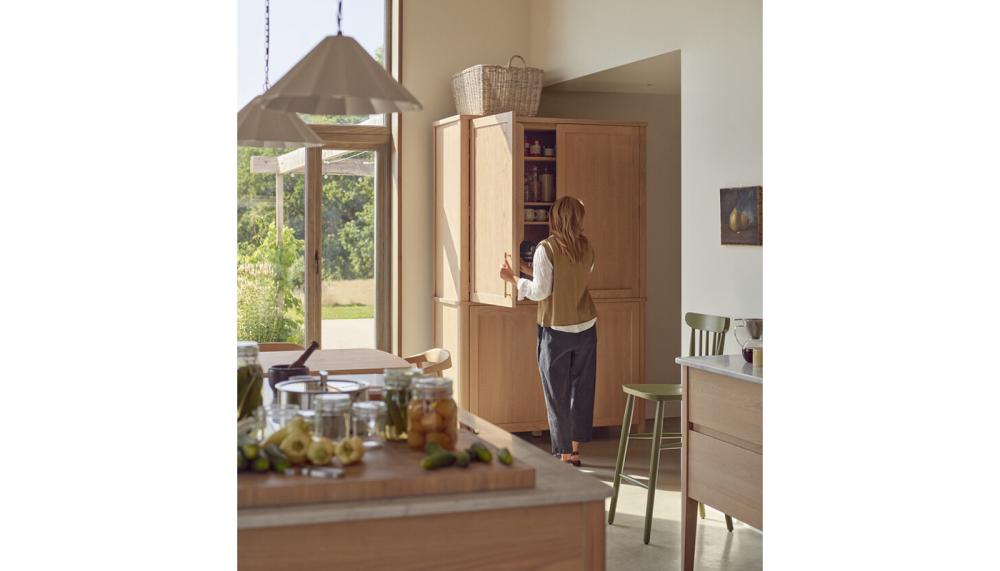
The product range is evolving, too. Borough, Neptune's modular kitchen concept, is aimed at smaller homes and second homes, offering another way for customers to buy into the brand's kitchen design.
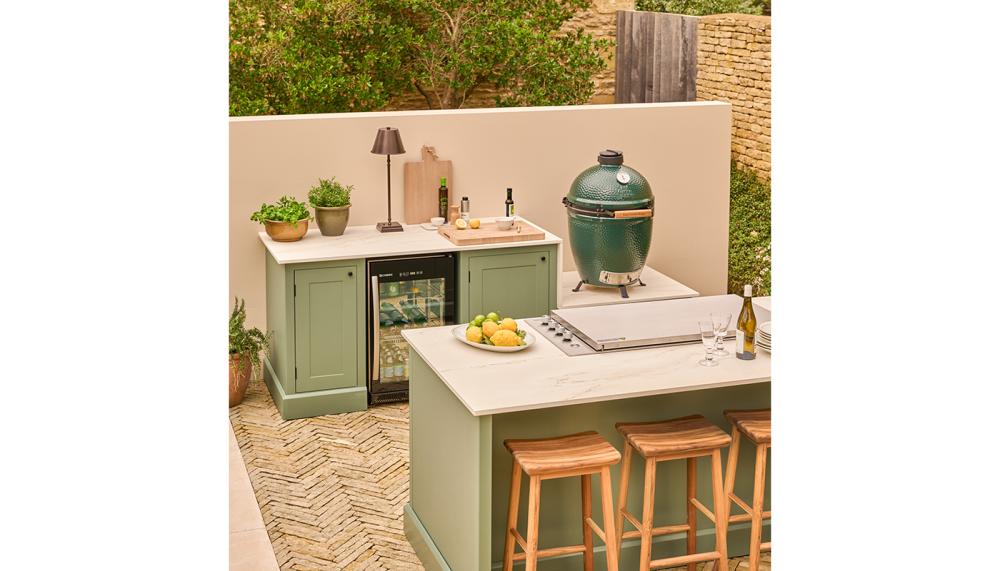
The company's ambitions also extend beyond the traditional kitchen. Its Broadway outdoor kitchen, launched at RHS Chelsea Flower Show, applies Neptune's cabinetry and manufacturing expertise to the growing interest in outdoor living. Made using Accoya and marine-grade plywood, it is designed to withstand exposed outdoor conditions.
“People in the UK are wanting more of an al fresco life now,” Clark says. “The work-life balance is evolving, and the investment happening in outdoor spaces is increasing.”
Value over price
Neptune's premium positioning brings its own challenges when customers can find cheaper alternatives. Clark acknowledges that the company regularly encounters competitors offering to match or undercut its prices, but argues that the comparison is rarely as straightforward as it might appear. He points to the company's design service, product construction and materials. Neptune does not use MDF or chipboard in its kitchens, he says, and believes the quality of its materials and construction gives customers a different proposition.
Neptune's British brand identity is underpinned by a global supply chain. The company was relatively early into China, establishing its own production operation in Qingdao in 2014, which it fully owns and controls. But China is just one part of a wider international sourcing network, with products and materials coming from suppliers across Europe and Asia. For Clark, ownership of the operation gives Neptune greater control over production while allowing it to maintain the quality and standards associated with the brand.
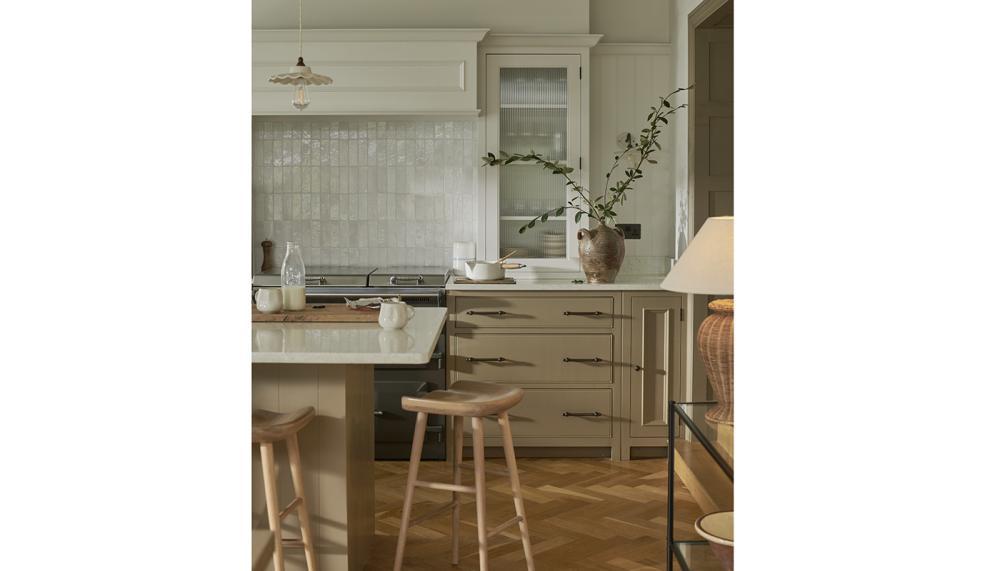
Clark wants customers to consider value over the lifetime of a product, rather than simply at the point of purchase. A kitchen should be able to change with its owners and their needs. “You can move it, evolve it, add another cabinet, reshape it,” he says.
Neptune offers a lifetime guarantee and sees further opportunities to provide services such as repainting products, changing handles and replacing worktops. “There is so much value beyond just the first price,” says Clark. “We believe in a long-term relationship with our customers, offering services they value and appreciate.”
The showroom still matters
That emphasis on service also explains why Clark is not convinced that online retail, or artificial intelligence, will make the physical showroom less relevant. He describes Neptune as “genuinely omnichannel”. Its online operation provides “inspiration, education and, in some cases, conversion”, while its design centres offer a more personal experience.
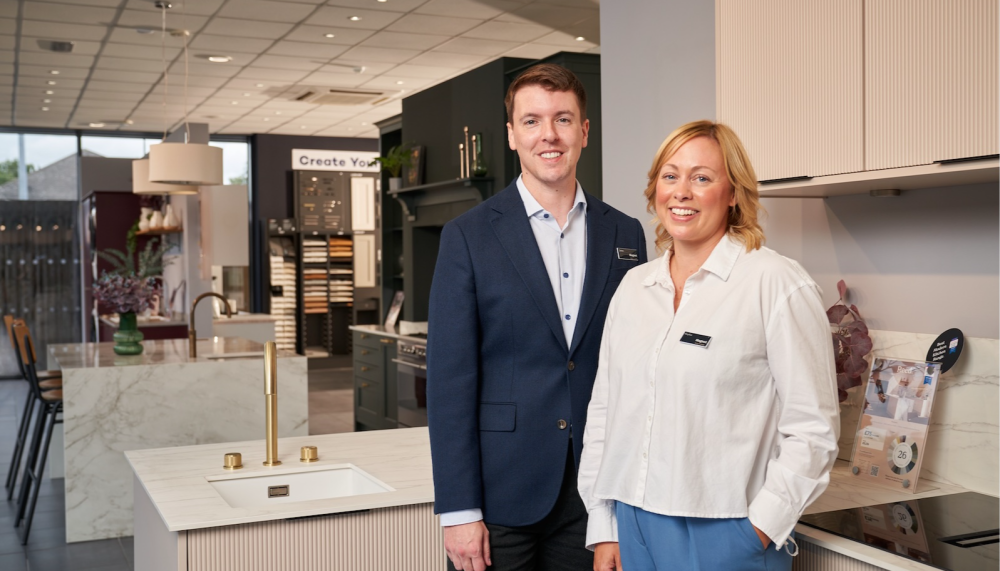
Physical expansion is an important part of the growth strategy. Neptune is targeting around 4 new store openings a year, with opportunities to fill gaps in its UK coverage, particularly in areas where customers already shop with the brand online but lack access to a design centre. Recent openings in market towns such as Market Harborough and Ludlow demonstrate how the company is experimenting with different formats, rather than assuming every location needs a large flagship showroom.
The opening at Fenwick in Newcastle earlier this month, Neptune's first department store concession, also illustrates the potential of working with established retail partners to extend the brand's physical reach. The 4,000sq ft space gives shoppers the opportunity to experience Neptune's wider home offer in what Clark calls “the Harrods of the North East”, while introducing the brand to customers who might not otherwise visit one of its standalone design centres.
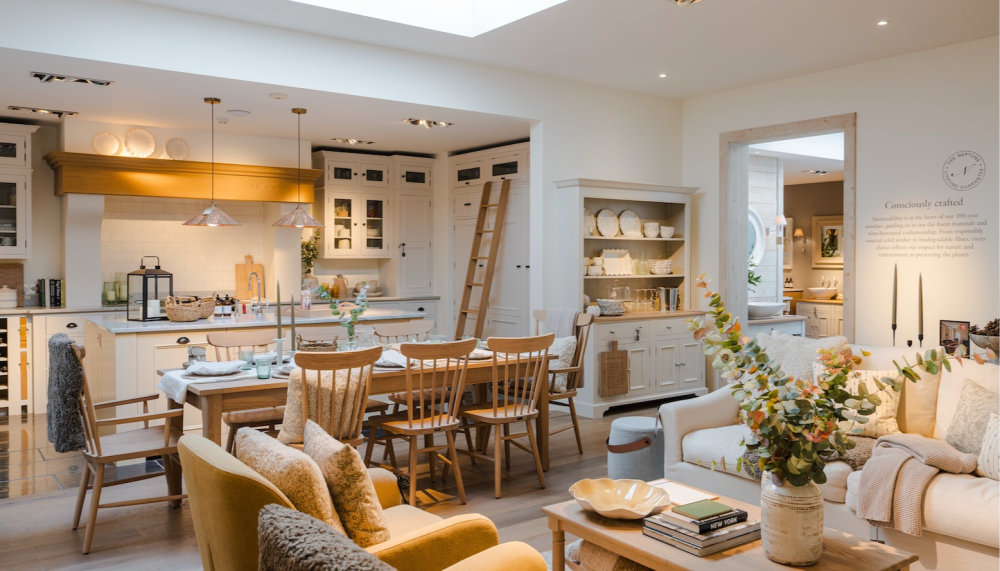
Clark is also enthusiastic about the partnership with John Lewis, which began with Neptune accessories. He sees it as a way of introducing the brand to shoppers who may not yet know its wider offer, potentially encouraging them to visit a Neptune design centre.
He is adamant that the business does not want to become a mass-market retailer. He’s also willing to admit that there’s still a list of things Neptune needs to address. The “tech landscape”, he says, is top of that list. It’s an area where he sees opportunity, although he is cautious about predicting exactly how AI will change retail. He is encouraging employees to experiment with it, particularly in finance, merchandising and operational planning.
But he believes human interaction will remain central to the customer experience: “We always want our customers to speak to a human,” he says. “They deserve luxury responses.”
The same applies to the design process. AI may help with visualisation, but Clark questions whether it can replicate the detailed conversations that help a designer understand how someone lives in their home. “Which window is your favourite in the morning? Where does the sun rise? What's happening with the light? In autumn, what happens with the leaves and how are they falling?” Those are the details a good designer needs to understand before shaping a room around a customer's life, he believes.
100-year mindset
There is still considerable room for Neptune to grow, Clark believes. The UK remains the priority, with further opportunities in larger cities as well as affluent towns. The company also operates in Germany, France and Switzerland, and he sees potential for a more substantial international presence over time. But he is conscious that there is a limit to how far the brand can expand in any one market without risking oversaturation.
“Do we believe the UK has headroom to grow? Yes,” he says. “But there will be a size at which you start to oversaturate.”
His ambition is for Neptune to become “the most desirable British home lifestyle brand”. He even allows himself to imagine what that might mean internationally, perhaps in the US, although he is quick to stress that such ambitions are for the longer term.
For now, the focus is on strengthening the core, growing the kitchen business and reaching more customers without compromising the experience that has built the brand. Clark wants Neptune to become bigger, but not at the expense of what makes it distinctive. That, rather than growth for its own sake, is the measure of success.
Tags: interview, features, mike clark, neptune, kitchens, furniture
Sign up to our newsletter