Fitzroy of London's Bradley Culmer – Accessibility and good bathroom design go hand-in-hand
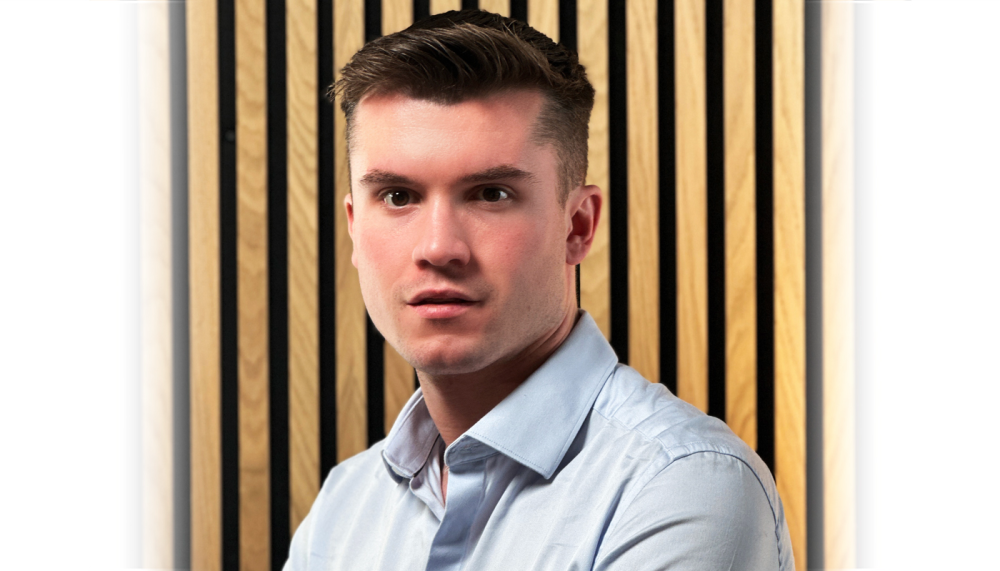
Fitzroy of London's Bradley Culmer – Accessibility and good bathroom design go hand-in-hand
Accessible design is no longer a specialist consideration – it's simply good design. Bradley Culmer, business development director at Fitzroy of London, explains.
For too long, accessible bathrooms have been viewed primarily through the lens of compliance. Products have often been specified to satisfy regulations or respond to a particular requirement, rather than being considered as part of the overall design philosophy.
That approach has now changed. Across the wider bathroom industry, there is growing recognition that accessibility and good design should go hand in hand. Products that improve usability, comfort and confidence don't just benefit one group of users – they create better spaces for everyone.
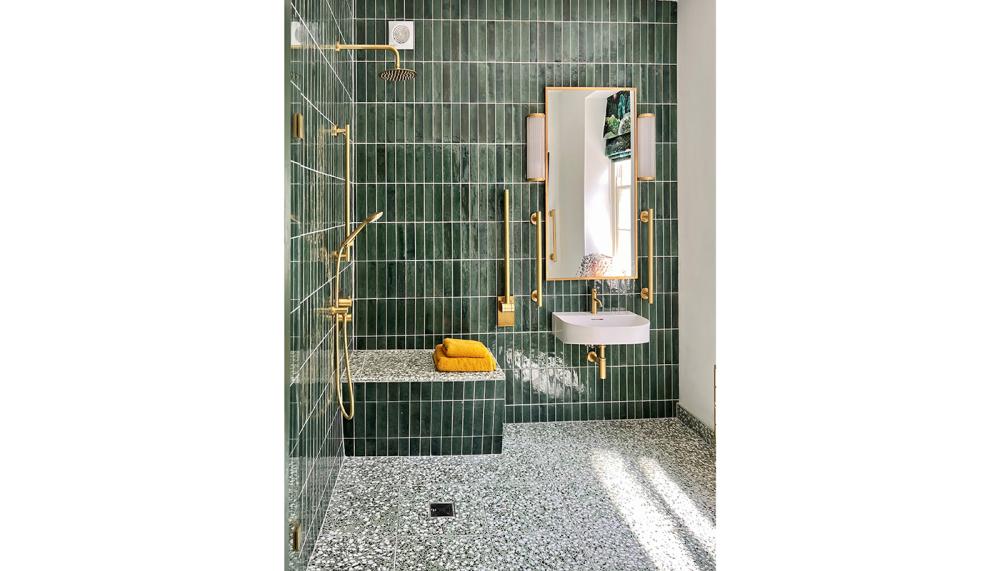
For bathroom retailers and designers, this represents an important opportunity. Rather than treating accessible products as a separate category, they should be considered alongside every other design decision. When accessibility is incorporated from the outset, spaces are naturally more adaptable, more intuitive and better equipped to meet changing needs over time.
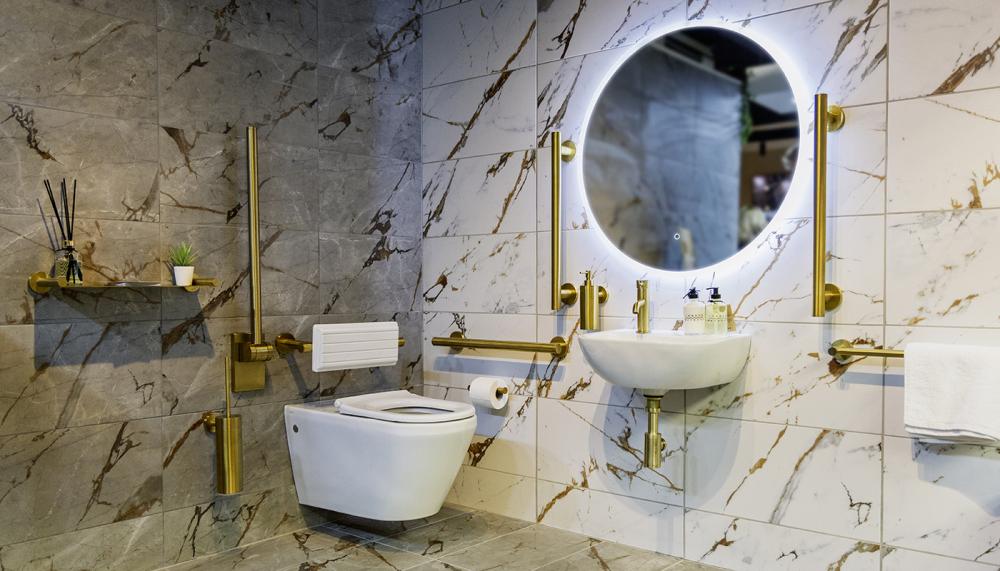
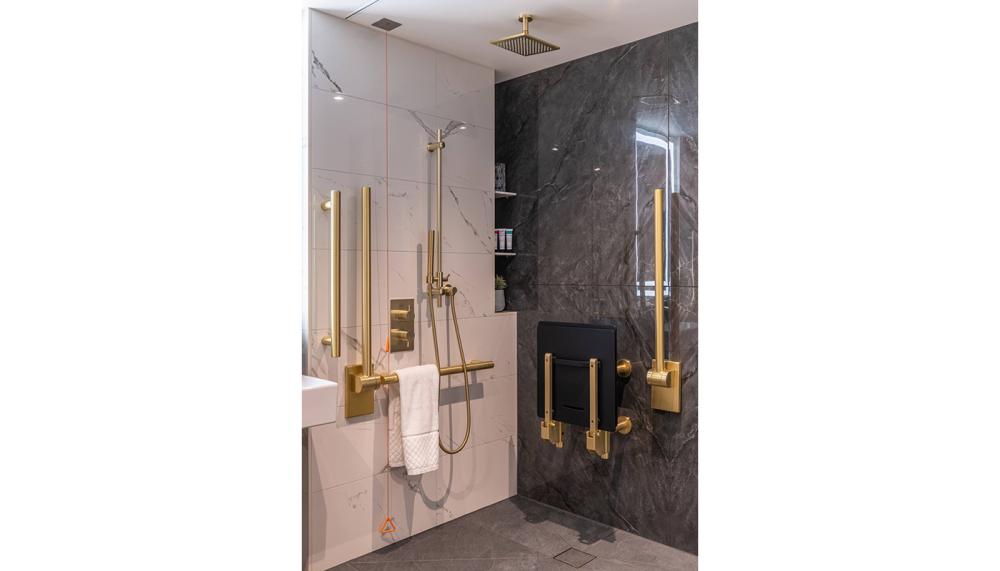
One of the biggest changes in recent years has been the evolution of accessible products themselves. Historically, many products prioritised function over appearance, which understandably led to the perception that accessible bathrooms had to look clinical. Today, that simply isn't the case. Support rails, shower seats and other accessibility products are now available in a wide range of contemporary finishes and co-ordinated collections, allowing designers to create bathrooms that are elegant as well as practical. Accessibility no longer requires compromise.
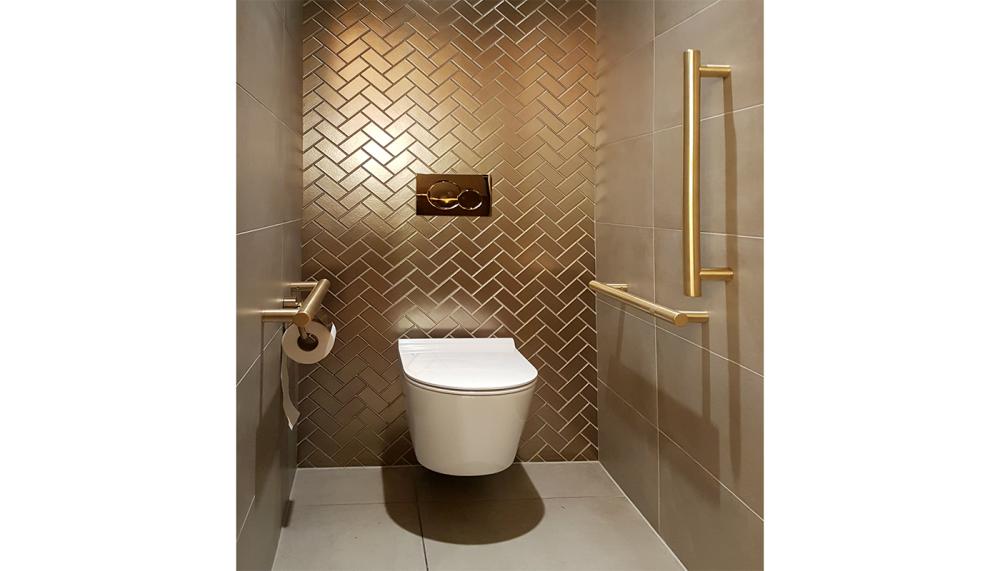
This shift also changes the conversation around future-proofing. Future-proofing isn't about designing for a particular user or anticipating a specific requirement; it's about creating spaces that remain relevant, functional and inclusive throughout their lifespan.
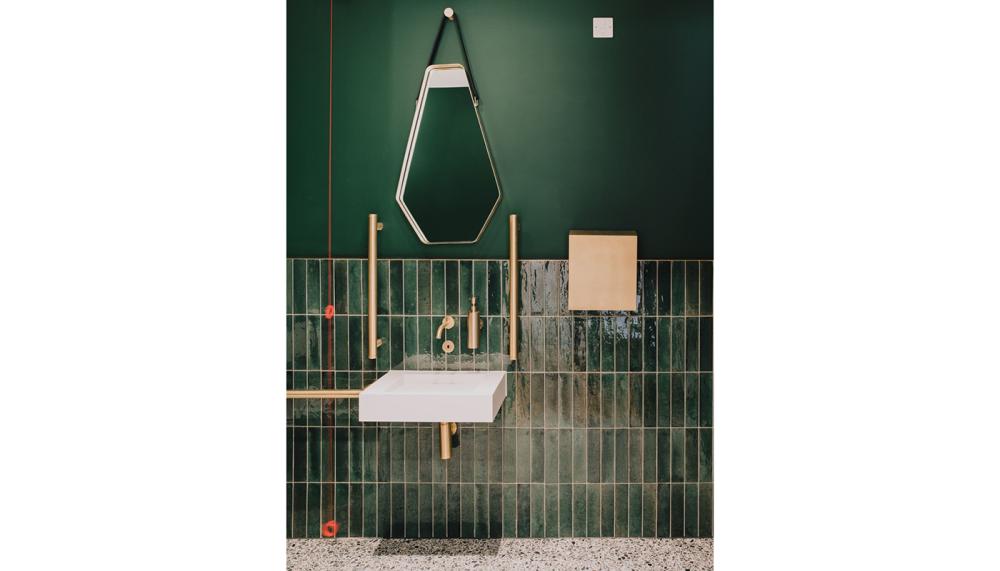
This means helping clients understand that specifying accessible products isn't necessarily about responding to an immediate need. It's about making informed design choices that offer flexibility without compromising aesthetics. For designers, it means recognising that the most successful bathrooms are those that work effortlessly for as many people as possible.
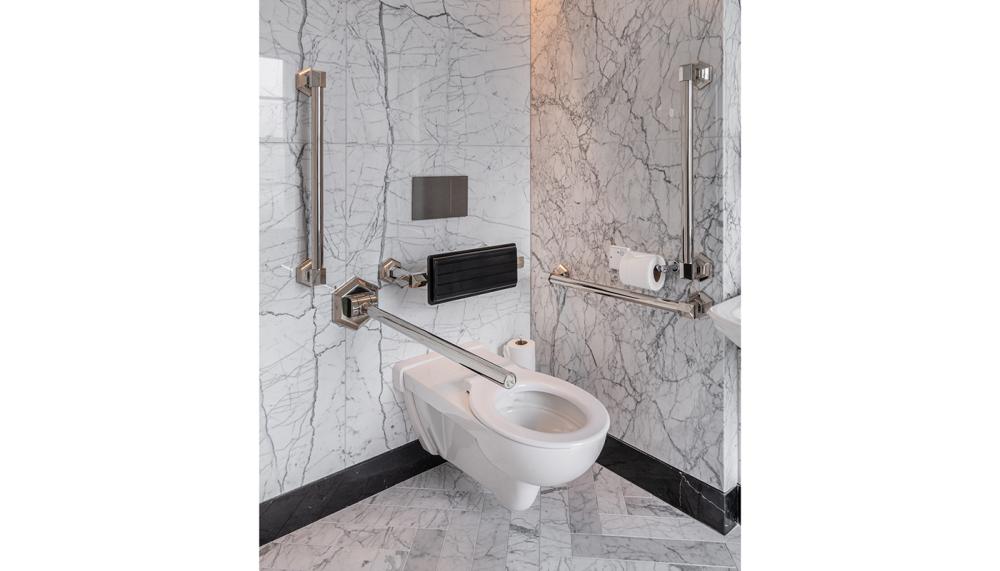
The commercial sector has already embraced this way of thinking. Accessible washrooms are increasingly recognised as an integral part of the user experience rather than simply a compliance requirement. The same design principles can equally inform projects across the wider bathroom industry, where expectations around inclusivity, longevity and quality continue to evolve.
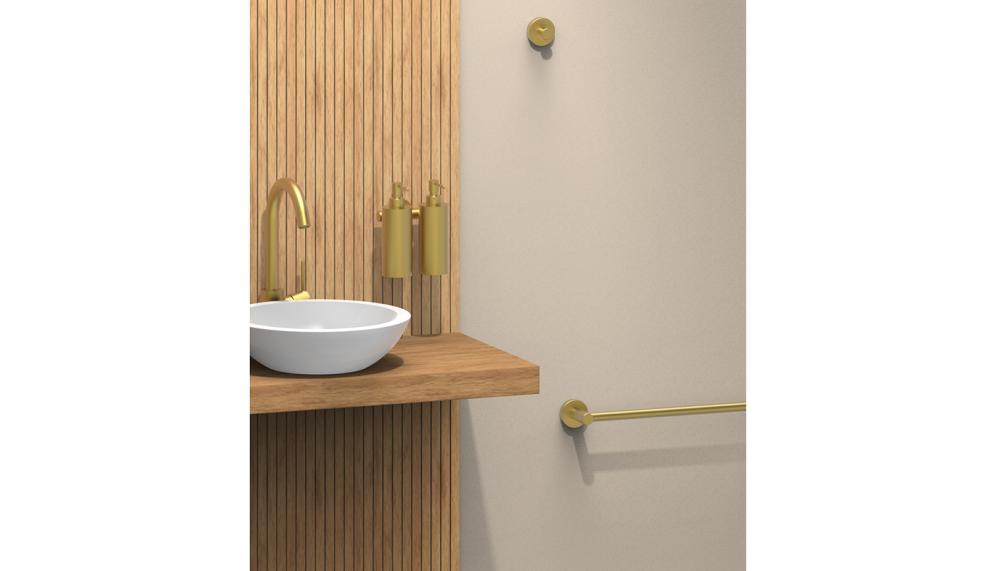
Ultimately, accessibility shouldn't be viewed as a niche consideration. It should be recognised as an essential element of thoughtful design. The best accessible bathrooms don't draw attention to themselves because they're accessible. They stand out because they're beautifully designed, easy to use and built with the future in mind.
Tags: insight, features, accessible design, bradley culmer, fitzroy of london, bathrooms



Sign up to our newsletter
Most Read