Hisense’s Matthew Glynn reveals the emerging tech trends set to dominate in 2027

Hisense’s Matthew Glynn reveals the emerging tech trends set to dominate in 2027
From fridges that understand language to appliances that can predict when they’ll be used, kitchen tech is set to become even more intuitive – Matthew Glynn, product marketing manager at Hisense, shares his insights into the biggest kitchen tech trends to watch in 2027.
Kitchen technology is evolving rapidly, with appliances becoming smarter, more intuitive, and increasingly seamless in their design. As homeowners look to combine the most recent tech with stylish interiors, invisible and intelligent kitchens are set to be one of the biggest trends of 2027.
1: AI that sees and understands
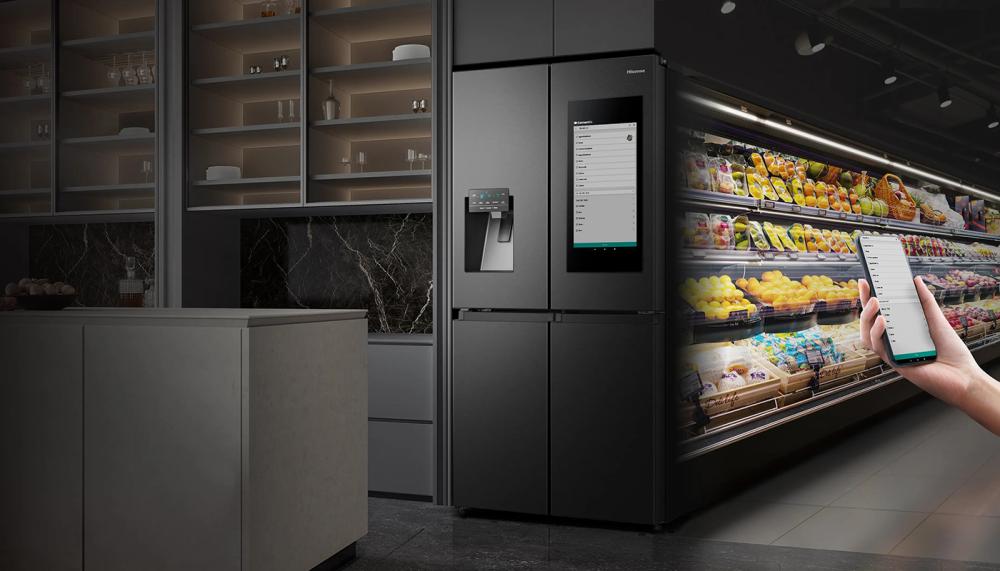
Refrigerators with the capability of holding conversations, providing food storage recommendations, and proactively managing cooling based on household usage patterns are on the horizon. In addition, users will be able to ask their fridge questions, such as where best to store fresh herbs or how long leftovers will last, and receive advice from their appliance. In addition, behind the scenes, the fridge will learn how households use it and fine-tune cooling accordingly, helping to keep food fresher for longer while using energy more efficiently.
2: Food recognition inside refrigerators
Internal cameras identifying food items and helping manage freshness, storage and food waste reduction are also becoming more mainstream. By recognising what’s inside, these fridges can track what has been bought, flag items nearing the end of their shelf life and even suggest meals based on what needs using up. With the average household of 4 throwing away around £1,000 of good food each year, it's a feature that can have an impact on both household budgets and the planet.
3: Dishwashers with cameras
Stand by for cameras inside the dishwasher recognising load composition and automatically adjusting wash settings and detergent dosing. Whether it’s a lightly used set of glasses or a heavily soiled roasting tin, these dishwashers can tailor the cycle to exactly what’s inside. This removes the guesswork, avoids wasted water, energy and detergent on lighter loads, and ensures tougher loads get the intensive clean they need.
4: AI-assisted cooking with cameras
New cooking appliances are using internal cameras and AI recognition to monitor food, identify dishes, recommend cooking settings and automatically adjust temperatures and cooking times for improved results. This takes much of the stress out of cooking, particularly for less confident cooks, as the appliance can recognise when food is cooked to perfection and help prevent over or under cooking.
5: AI laundry with fabric recognition
Washing machines using internal cameras and sensors to identify fabrics, load type, and soil level before automatically selecting the best programme. This means no more second-guessing which cycle to use, and far less risk of shrinking a favourite jumper or fading delicate fabrics. By matching the wash precisely to the load, these machines can also help reduce unnecessary water and energy use, extending the life of both clothes and the appliance itself.
6: Multi-drum washing machines
New concepts featuring multiple drums, allowing different fabric types or loads to be washed simultaneously. For busy households, this could mean washing darks and whites, or everyday clothes and delicates, at the same time rather than running back-to-back cycles. It’s a concept that speaks directly to time-poor families and those living in smaller homes, where laundry can quickly pile up and space for multiple appliances is limited.
7: Ultra-efficient Heat Pump Washer Dryers
Washer dryers and dryers achieving significant energy reductions whilst maintaining large capacities and drying performance. Heat pump technology recycles warm air within the appliance rather than continually generating new heat. Combined with large capacities, this means households no longer have to compromise between convenience, performance, and running costs, a key consideration as consumers remain conscious of energy bills.
8: Predictive appliances
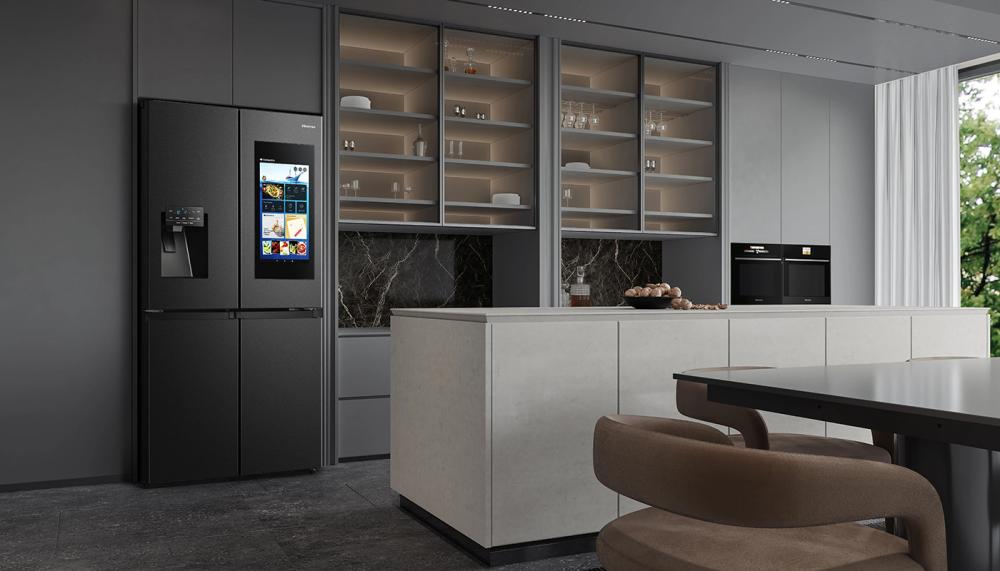
Products learning household behaviour and proactively preparing for usage, such as refrigerators pre-cooling before expected door openings. By understanding daily routines, such as when the family typically gets home or starts cooking dinner, appliances can get ready in advance, maintaining optimal performance while avoiding energy spikes. It marks a shift from appliances that simply respond to commands to ones that anticipate what households need before they need it.
9: Handleless and minimalist aesthetics
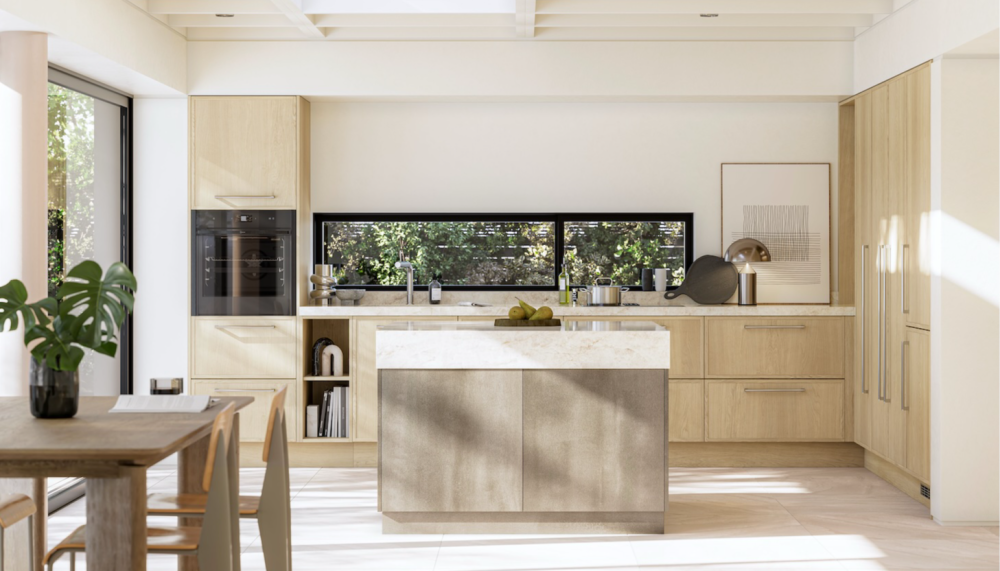
As kitchens become spaces for socialising, appliances are designed to blend in rather than stand out, with darker finishes and cleaner lines leading the way in 2027. Hidden controls and simplified fascia designs continue to support modern kitchen trends. As kitchens increasingly double up as spaces for socialising, working and relaxing, consumers want appliances that feel part of the room rather than functional add-ons. Hidden controls and handleless designs create a calm, clutter-free look, with technology only appearing when it’s needed.
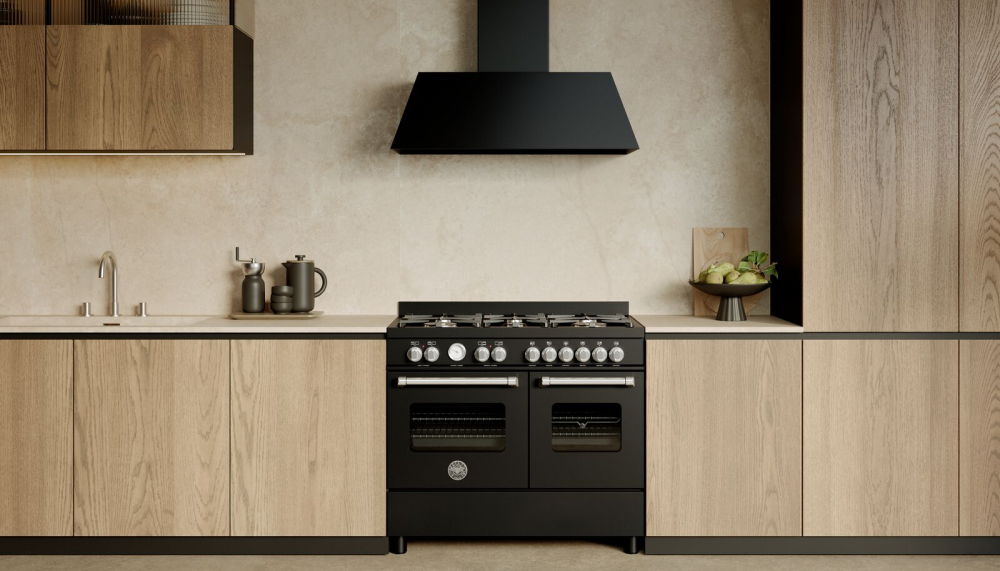
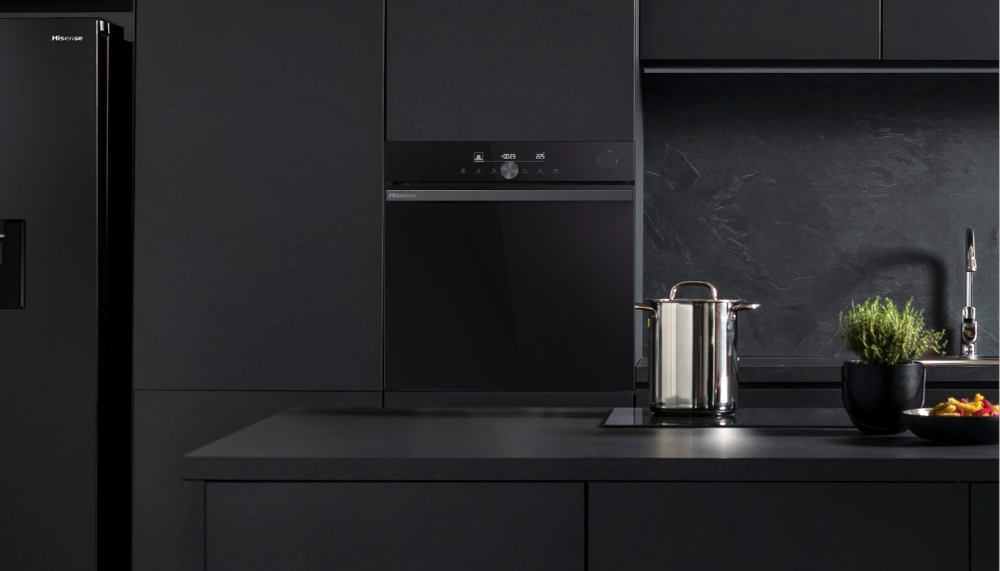
10: Matt Black continues to grow in cooking
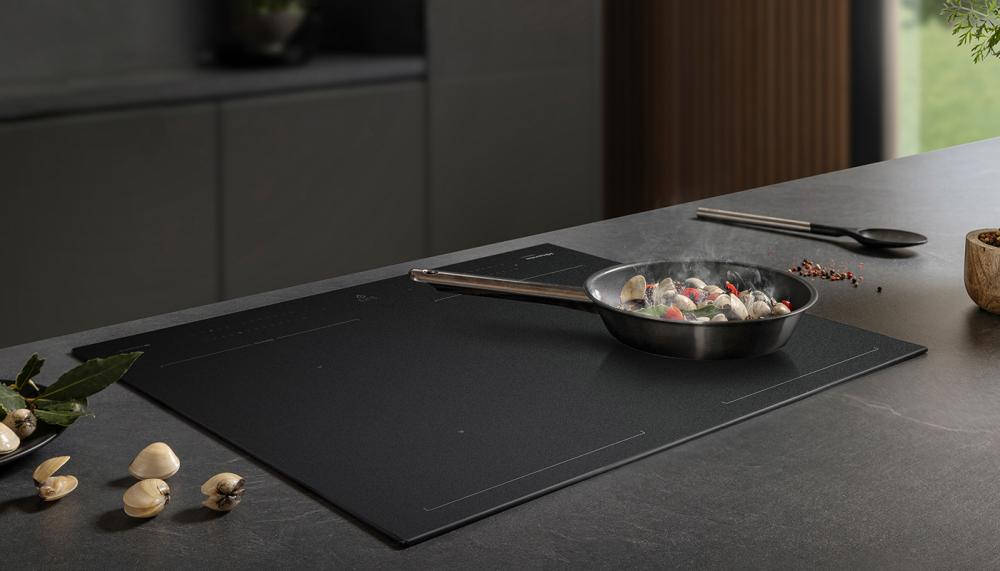
Premium Matt Black finishes were widely visible across built-in ovens, hobs and compact appliances, reflecting the ongoing trend towards darker, more architectural kitchen designs. Matt Black offers a sleek, sophisticated look that sits seamlessly alongside both modern and more traditional cabinetry, while also being practical as it’s less prone to showing fingerprints than glossy finishes. It allows appliances to blend into the kitchen design rather than stand out, supporting the growing desire for cohesive, considered spaces.
Tags: insight, features, hisense, matthew glynn, appliances, tech trends, 2027 kitchen trends, kitchens

In Other News




Sign up to our newsletter
Most Read