Mark Conacher: Why being 'installer friendly' means more than just easy installation

Mark Conacher: Why being 'installer friendly' means more than just easy installation
Mark Conacher, CEO of KBB Momentum and founder of Every Install, explores why putting installers at the heart of the product journey benefits everyone – from the manufacturer to the end customer.
What does 'installer friendly' actually mean? For me, the expression suggests that someone, somewhere designing a product, has actually thought about the person who will ultimately fit that product. The phrase, while not widely used, has been around for years, and it was particularly interesting to see an Installer-Friendly Product of the Year category at this year's BIFIS Awards, with registered installers having the opportunity to vote for their favourite.
Manufacturers put a huge amount of work into product design and innovation, and I think the progress being made deserves recognition. One thing worth remembering is that products will be installed by people with varying degrees of knowledge and experience, and a manufacturer has no control over who eventually arrives at the customer’s home, but the installation will definitely reflect on the product regardless of who fits it.
Making products straightforward to understand and install gives more people the opportunity to achieve the result the manufacturer intended. That doesn’t remove the need for skill. It just means unnecessary complications are kept to a minimum, which can only be good for the installer and the manufacturer’s reputation.
Real homes will always be different
When I was installing, I particularly liked shower enclosures that offered generous adjustment without compromising on the finished appearance. Older properties rarely gave you perfectly straight walls or level floors, and a degree of flexibility in the product always made a difference to the installation and final result.
But of course, there’s a balance to strike. Manufacturers can’t design around every possible scenario an installer might come across, and I certainly wouldn’t want products becoming unnecessarily complicated in an attempt to do so. A big part of an installer’s job is using their own judgement and experience to deal with the situation in front of them.
The right information at the right time
We should agree that an installation begins before the product arrives. The designer or retailer may need to understand clearances, adjustment ranges and fixing requirements while the room is still being planned. The information inside the box is equally important. In my own experience, installation instructions were generally adequate, but the best ones always made things immediately clear. Simple drawings, a sensible order of work and straightforward language are always useful when you’re trying to understand a new product.
QR codes are another welcome development, particularly when they provide immediate access to product-specific instructions or fitting videos. The key is making the information easy to find – not simply adding another way to reach the manufacturer's website.
Good support leaves a lasting impression
There’s considerable value in making that support accessible. Sometimes the best experience is not having to phone anyone at all. If an installer can identify the correct replacement component, order it and see when it should arrive, that is an excellent service.
And the information coming back to technical departments has value too. Questions that repeatedly come up might highlight an opportunity to clarify instructions, simplify the installation, or create a short video demonstration. Great after-sales support helps today’s customer while giving the manufacturer something useful to learn for future installations.
Making knowledge available when it’s needed
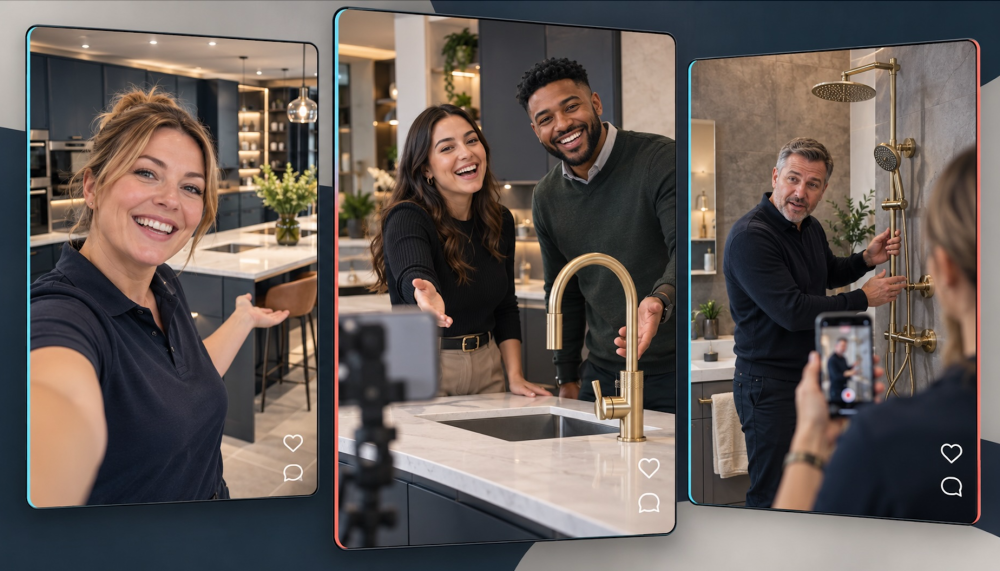
Manufacturers have the best opportunity by using video. A lot of installation work is far easier to understand after you’ve had an opportunity to see someone else doing it. A close-up of an adjustment or the order in which components fit together can often explain something far more clearly than several pages of technical instructions.
YouTube is a great resource because most installers are already familiar with it, and a well-organised channel can bring together product demonstrations, technical explanations, and common questions in an environment most people are used to. QR codes on packaging or fitting instructions can provide a direct route to the correct information. But YouTube creates another particularly interesting opportunity. An installer might ask a question, suggest a subject or share an observation after fitting a product. If manufacturers actively encourage engagement and respond, those exchanges become useful to other installers as well.
A conversation that doesn’t end at installation
Not every installer wants a close relationship with every manufacturer. A lot of fitters are perfectly happy to choose a product, fit it properly and get on with their next job. Others are interested in testing new products, understanding how they’re made and sharing their own experiences. Making those opportunities available to people who want them is something I would encourage.
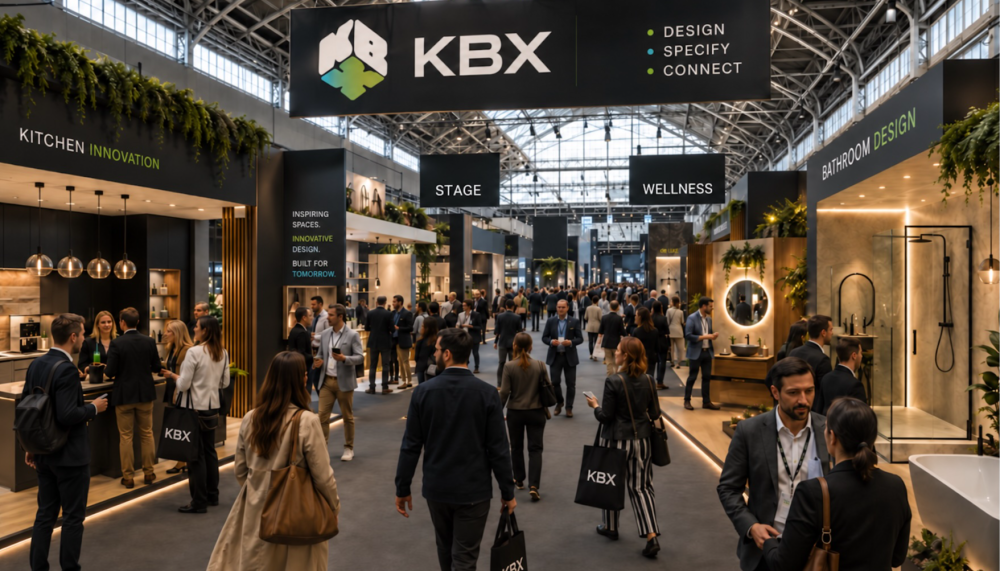
Industry events already bring manufacturers and installers together, but there’s plenty of other possibilities to help develop those relationships through factory visits, smaller product demonstrations, and simply inviting installers to share their experiences.
There’s a wider opportunity to recognise the installation businesses and people who help develop the next generation of tradespeople. Manufacturers depend on skilled installers to deliver the experience their products promise, and supporting the people and the businesses who make that possible benefits the industry as a whole.
For me, that’s what makes ‘installer friendly’ such a positive expression. It can describe far more than the design of a product. It can represent an ongoing relationship between the people who make products and the people who install them, with both sides having something valuable to contribute.
Tags: insight, features, mark conacher, installer friendly, installation, kitchens, bathrooms