Wodar's Michael Sammon – The kitchen tap isn't the problem but the way we specify it is
Wodar's Michael Sammon – The kitchen tap isn't the problem but the way we specify it is
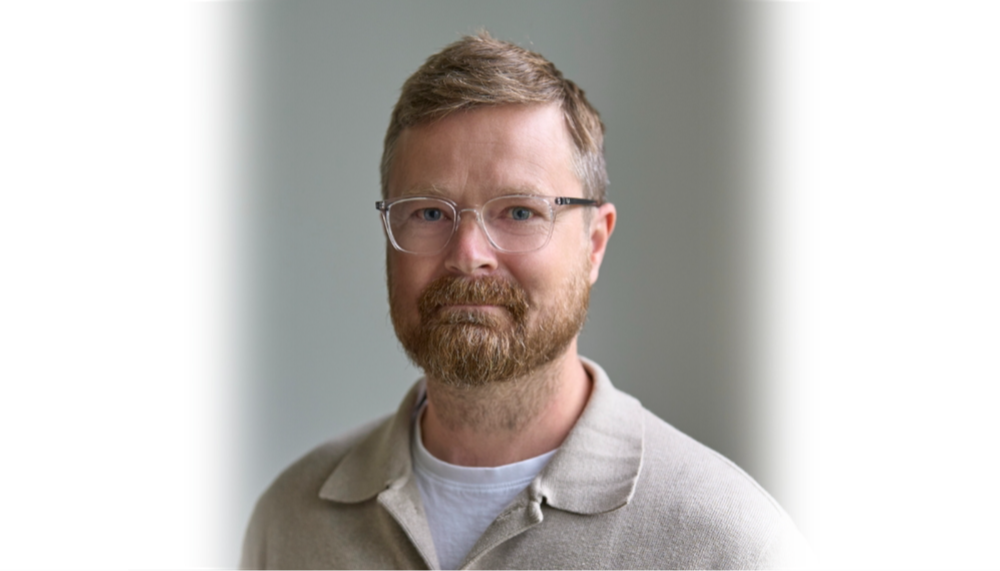
We can design a kitchen down to the last millimetre, but one of its hardest-working features is still often treated as an afterthought – this could a missed opportunity for retailers, says Wodar MD Michael Sammon.
I find it slightly mad that we can spend weeks planning a kitchen, debating everything from the width of a pan drawer to where the coffee machine will live, only for the tap to become a conversation about which finish looks best with the handles. Don't get me wrong, I love a good-looking tap. We make them. But somewhere along the line, we've managed to make kitchen taps incredibly clever without changing the way we actually sell or specify them. And I think retailers are missing a trick because of it.
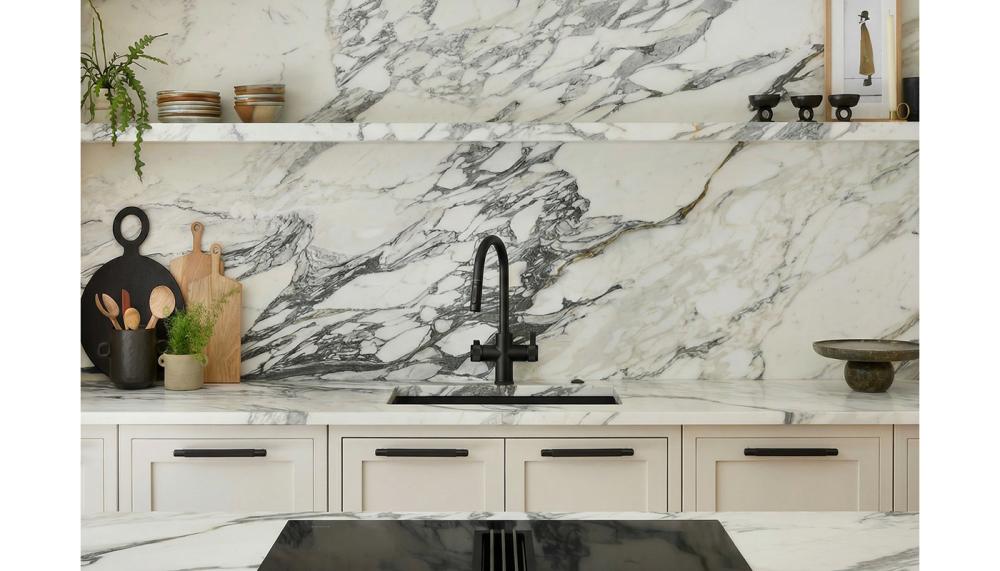
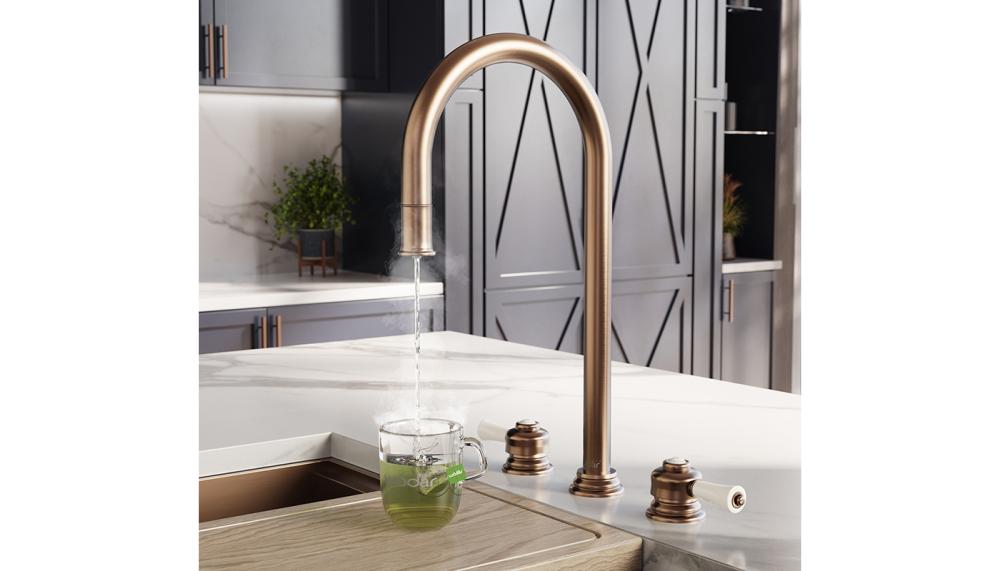
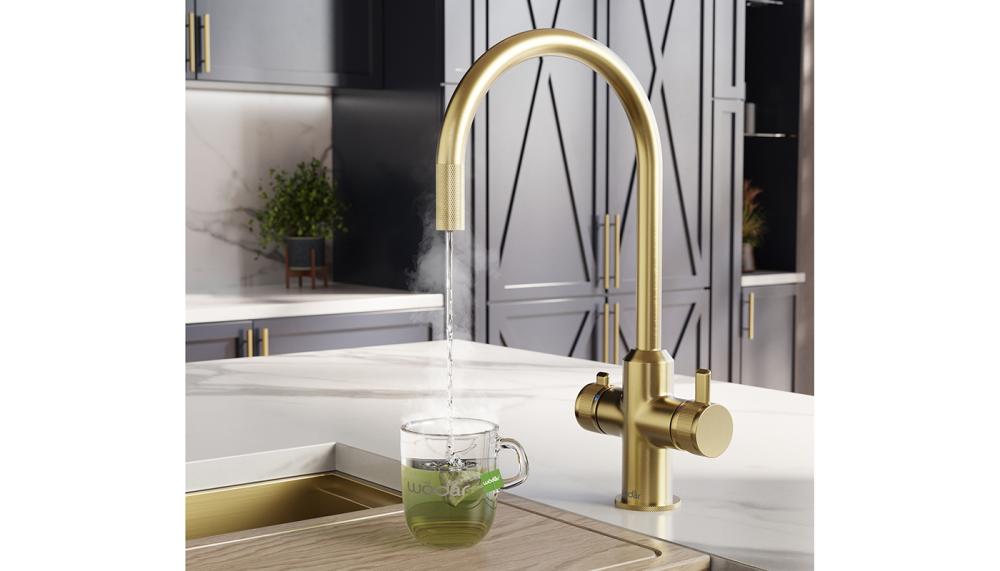
Think about what we're asking a tap to do these days. Depending on the model, it can deliver standard hot and cold water, filtered drinking water and instant boiling water, all from one fitting. It can replace the kettle, free up worktop space and change how people use their kitchen throughout the day. That's quite a lot of responsibility for something that can still end up being chosen from a finishes board towards the end of a project. We wouldn't specify an oven without knowing where it was going to live or what services it needed, yet we're surprisingly relaxed about leaving decisions around water until much later. For retailers, that means potentially missing an opportunity to demonstrate real design expertise at the very point customers are deciding who to trust with their kitchen.
For me, it starts with asking better questions in the showroom. Rather than immediately discussing finishes, why aren't we asking how many times a day somebody fills the kettle? Or if they buy bottled water because they dislike the taste of tap water? These questions tell us how somebody actually lives, and they open up a far more interesting sales conversation than simply presenting a selection of taps at different price points. Not everybody needs a multifunction tap, and retailers should be comfortable saying that. But when a customer can see how a particular product will genuinely improve their everyday routine, the conversation becomes less about price and more about value.
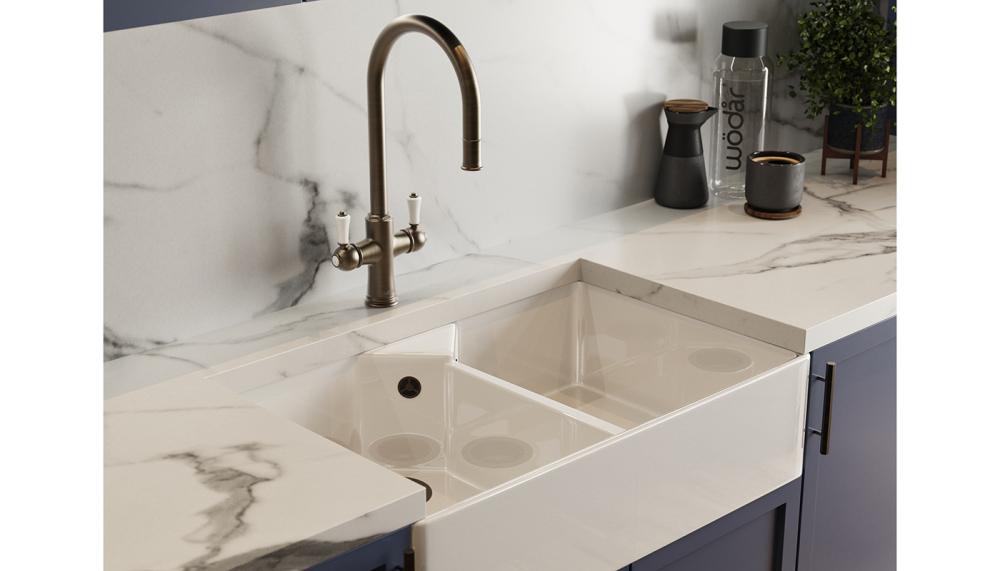
Then there's the cupboard beneath the sink, which I think deserves a much bigger role in the design conversation. Traditionally, it's been home to the waste pipe and an assortment of cleaning products nobody can quite remember buying. Now we're asking that same cupboard to accommodate boiling water tanks, filtration equipment, electrical connections, plumbing and, ideally, some usable storage. It's becoming a miniature plant room, yet we're still designing it as though its only job is to hide the washing-up liquid. For retailers, getting this wrong can mean installation headaches, awkward conversations with fitters and customers discovering that their lovely new tap has effectively evicted everything else from under the sink. None of which is particularly good for business, especially when better planning could have prevented it.
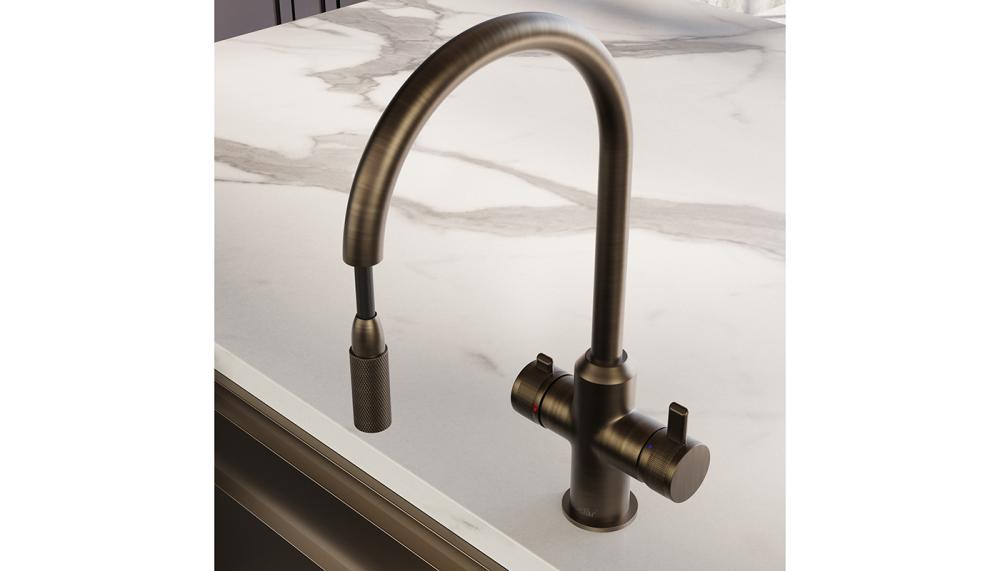
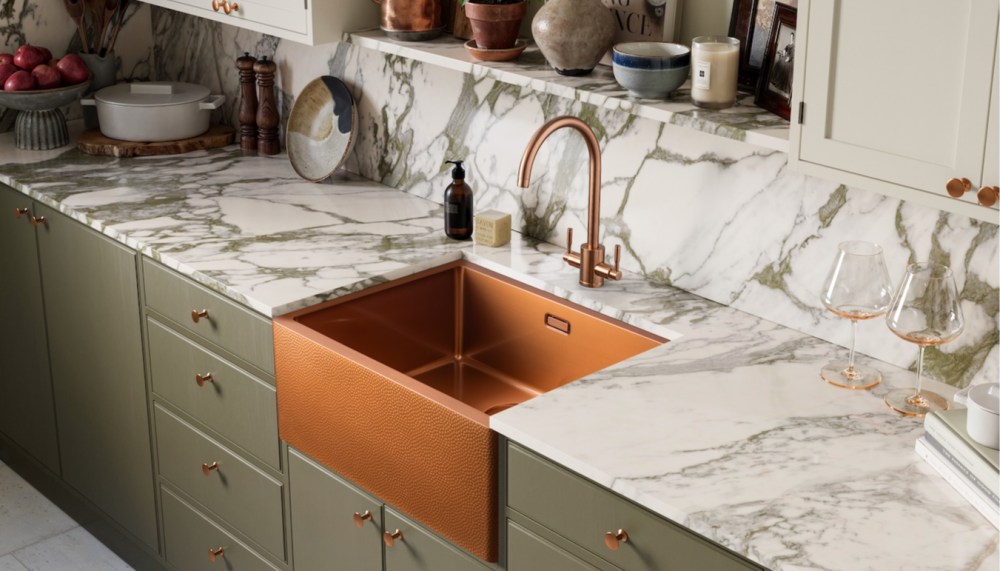
I also think we need to challenge the habit of treating the sink and tap as two separate specification decisions, because that's certainly not how customers experience them. They experience one area where they fill pans, prepare food, make drinks and clear up after dinner. That's why I'd like to see retailers give greater emphasis to what I call the kitchen water zone, where the sink, tap, accessories, surrounding preparation space and equipment underneath are planned together. It's an opportunity to sell a complete solution rather than individual products, while giving customers something far more useful than a matching finish. And crucially, it's the kind of expertise that's difficult to replicate through an online transaction.
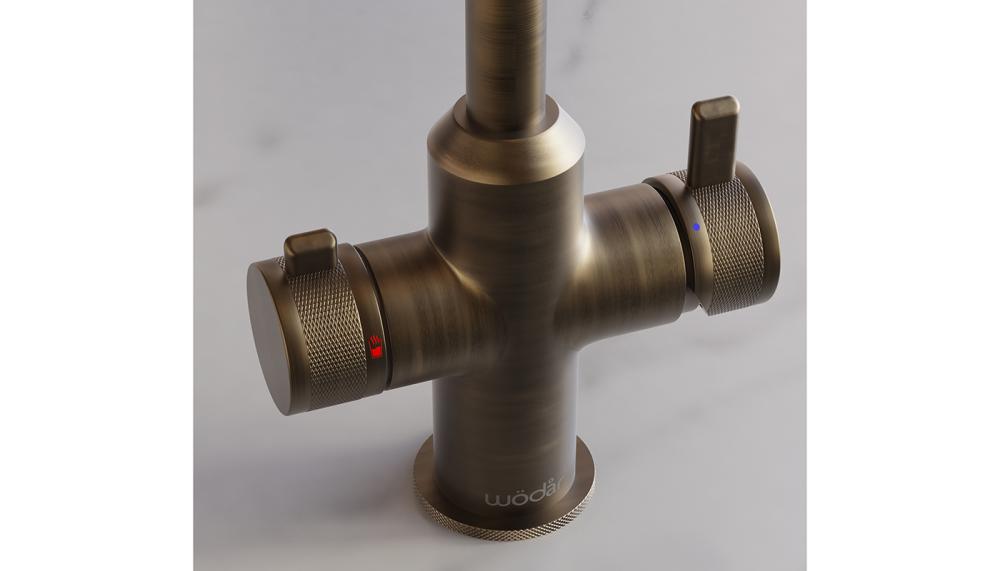
What I’m trying to do is make a wider commercial point. Independent kitchen retailers are constantly being asked to justify their prices against online competitors, but I don't believe the answer is always to discount or throw another appliance into the deal. It's to make the value of their expertise impossible to ignore. Manufacturers need to play their part, too, by providing the technical information, product knowledge and support that allow retailers to have these conversations with confidence.
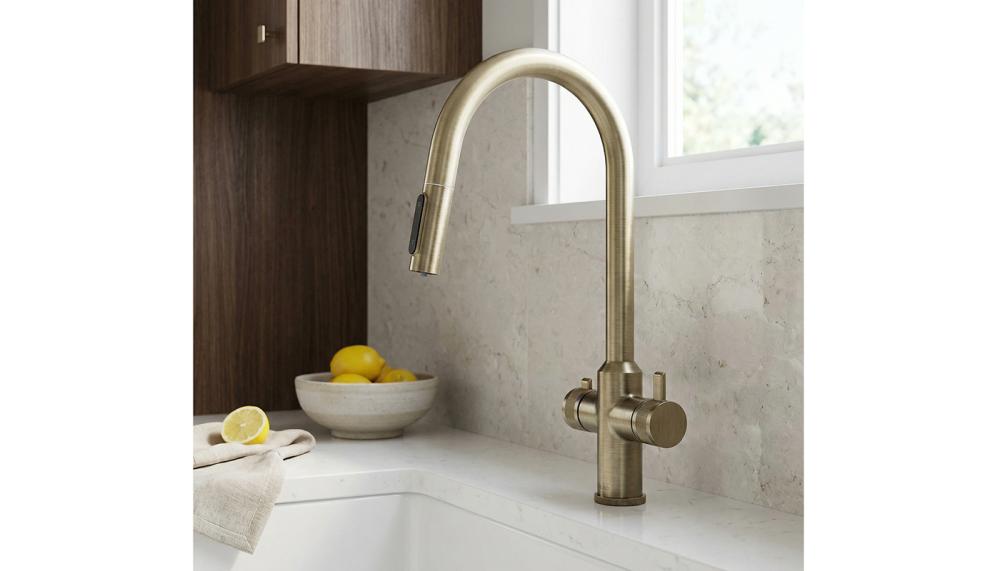
We've spent years making taps smarter, but our approach to selling and specifying them hasn't really caught up. I'd like to see water become part of the earliest showroom conversations, rather than something dealt with once the exciting decisions have been made.
Tags: insight, features, michael sammon, wodar, hot taps, taps, kitchens
In Other News

Sign up to our newsletter
Most Read