Hidden appliances: How minimalist design is placing surfaces in the spotlight
Tue 17th Mar 2026 by Clare Howcutt-Kelly
Hidden appliances: How minimalist design is placing surfaces in the spotlight

Clare-Howcutt Kelly looks at how the clutter-free kitchen aesthetic is allowing worktops to take centre stage, as high-tech functionality gets hidden away.
Step into any kitchen today and it’s clear how many appliances modern life demands. Coffee machines rival those found in cafés, air fryers dominate worktops and larger essentials such as fridges and freezers require significant space. For designers, the challenge is clear: how do you incorporate all of this functionality while preserving the visual calm of the kitchen’s surfaces?
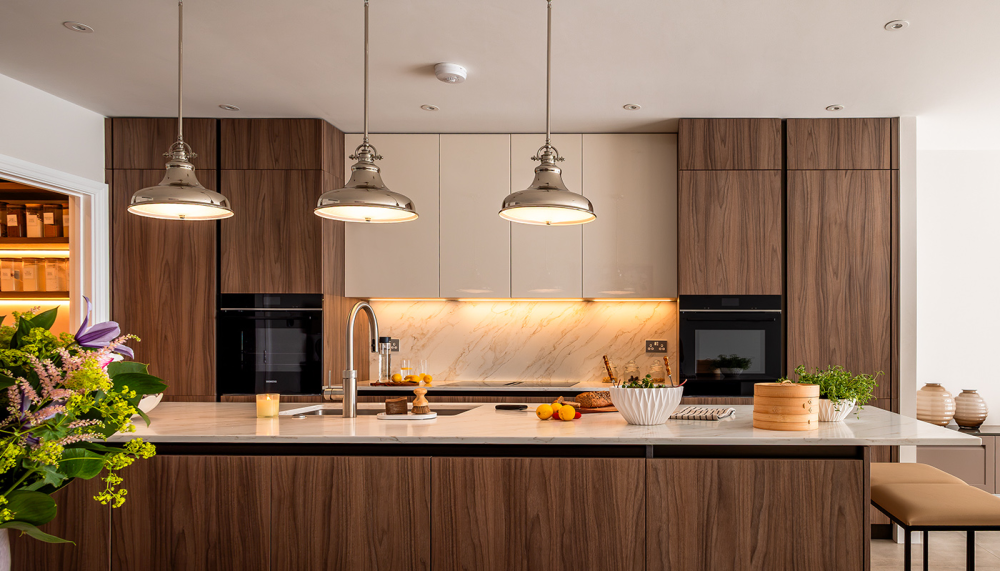
With open-plan living continuing to dominate, maintaining clean lines and uninterrupted worktops has become a priority. Surfaces are often the hero element of a scheme – whether that’s a dramatic stone island, a carefully chosen porcelain slab or a beautifully bookmatched material – and clients understandably want these materials to remain the focal point.
This has driven a new wave of innovation centred around concealment. From hidden cooking zones and discreet extraction to integrated appliances, breakfast cupboards, pocket doors and retractable storage, the latest solutions allow designers to retain the beauty of surfaces while ensuring the kitchen performs effortlessly.
Fully integrated fridges, freezers, washers, dryers and dishwashers have become a standard feature in high-end kitchens, helping to maintain visual continuity across cabinetry runs. All the hardworking tech sits neatly behind cabinetry fronts, allowing materials and finishes to flow uninterrupted throughout the space. For open-plan kitchens in particular, this seamless integration helps prevent large appliances from impacting on the design. Worktops, however, remain the most valuable visual real estate in the kitchen. Increasingly, designers are looking for ways to keep these surfaces free from clutter while still accommodating everyday cooking.
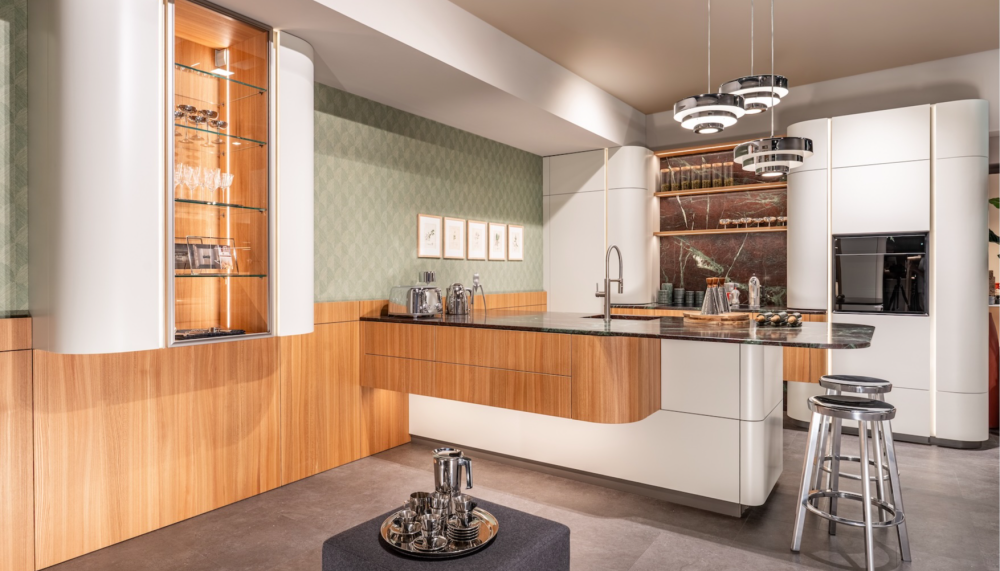
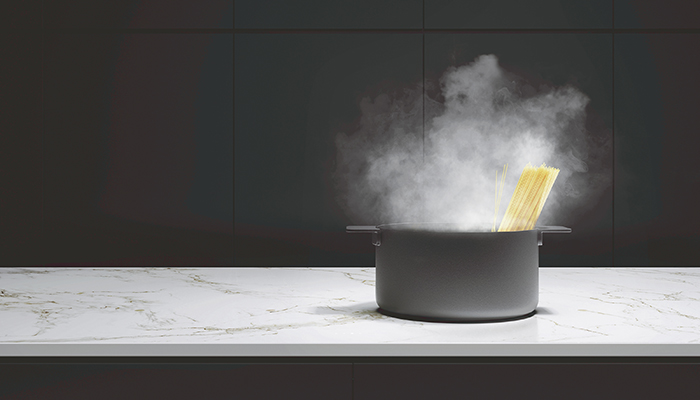
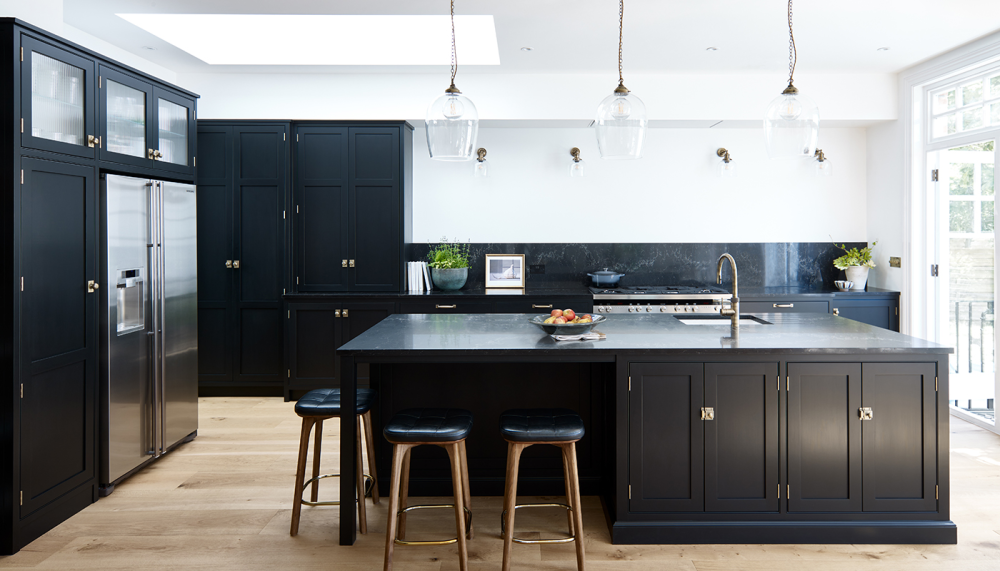
Invisible induction technology is playing a major role in this shift. Systems such as Novy's Undercover invisible induction hob, as shown in the main image above, allow induction cooking zones to be installed beneath the worktop itself. The result of this approach is a completely uninterrupted surface – a sleek porcelain or stone slab that doubles as both preparation space and cooking area. For clients investing in statement materials, this allows the full beauty of the surface to remain visible when the hob is not in use.
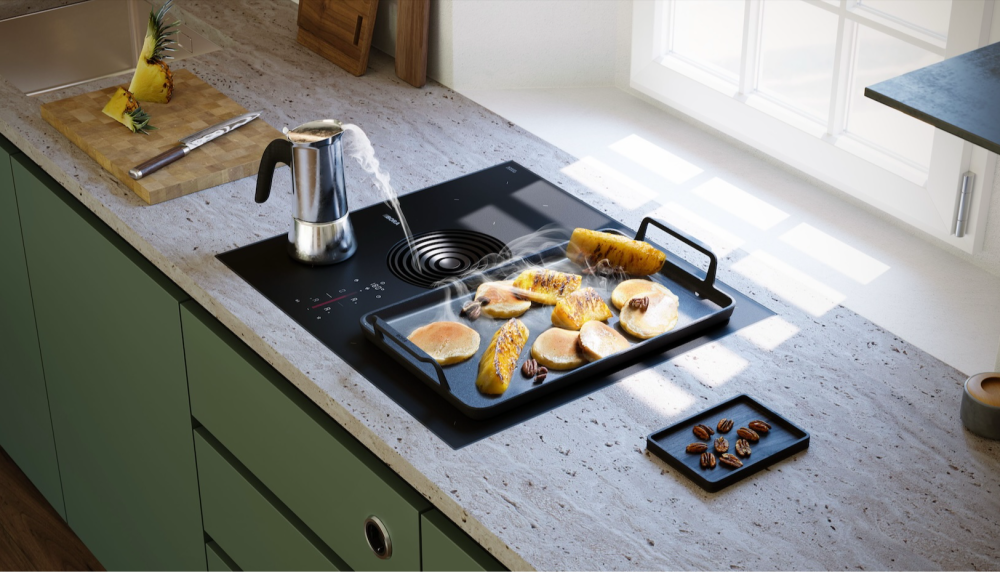
Extraction, too, has evolved to protect the clean visual lines of the kitchen. Ceiling-mounted systems and integrated downdraft solutions remove the need for large overhead hoods, keeping sightlines clear across islands and open-plan spaces. Brands such as BORA have pioneered powerful cooktop extraction systems that draw vapour directly from the surface, while Westin offers discreet ceiling and integrated extraction designs that balance performance with architectural subtlety.
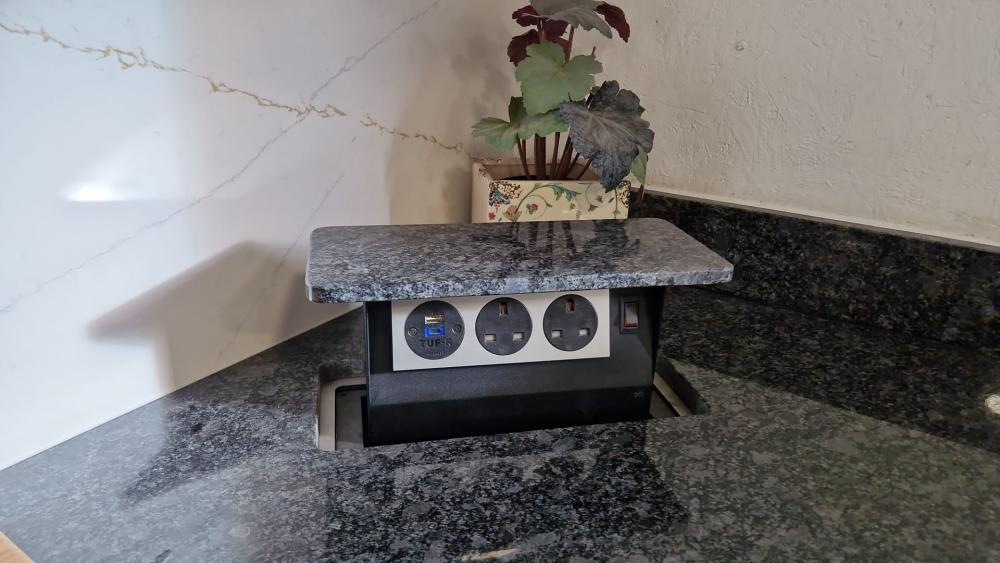
Of course, even the smallest details can disrupt a carefully considered design. Cables, plugs and countertop appliances can quickly undermine the minimalist aesthetic many homeowners are striving for. Solutions such as S-Box provide concealed storage modules that sit beneath the worktop and rise only when needed, allowing kettles, toasters and charging points to be tucked neatly out of sight.
Ultimately, preserving the beauty of kitchen surfaces comes down to thoughtful planning. Designers must consider ventilation routes, appliance positioning and cabinetry detailing from the outset to ensure everything works seamlessly behind the scenes. Close collaboration with fabricators is equally important, particularly when working with large-format materials where grain direction, panel matching and handle alignment can make the difference between a kitchen that feels merely functional and one that appears effortlessly refined.
As materials become more expressive and surfaces take centre stage in kitchen design, the role of concealed technology will only grow. When appliances disappear and worktops remain beautifully uninterrupted, the result is a kitchen that feels both highly functional and visually calm – exactly what today’s clients are looking for.
Clare Howcutt-Kelly is the communications officer for the Worktop Fabricators Federation (WFF) and can found on Instagram @clarehowcuttkelly.
Tags: kitchens, features, hidden appliances, worktops, work surfaces