Interview: Howard Grindrod on how Hisense changed the rules of the appliance market
Thu 10th Sep 2026 by Tim Wallace
Interview: Howard Grindrod on how Hisense changed the rules of the appliance market

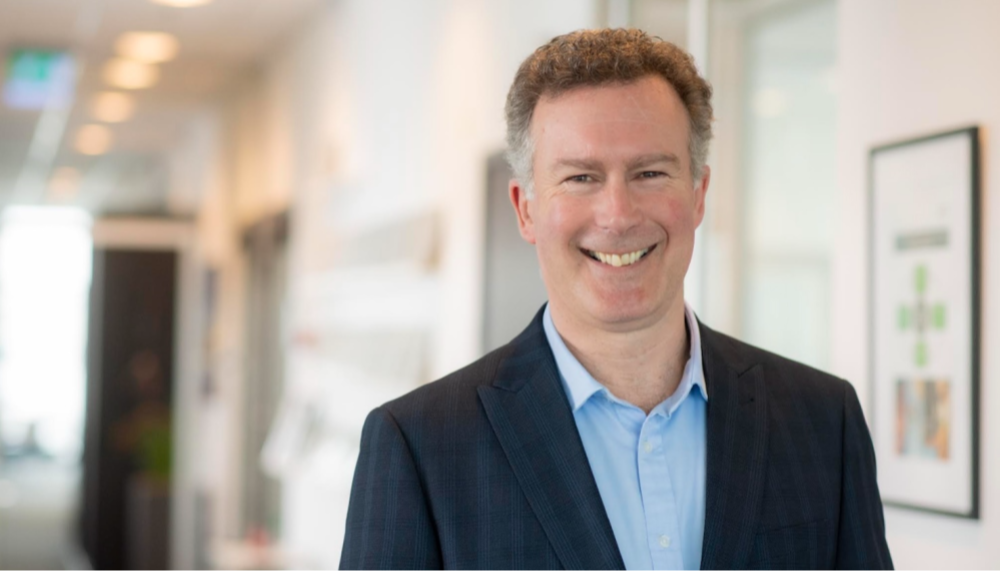
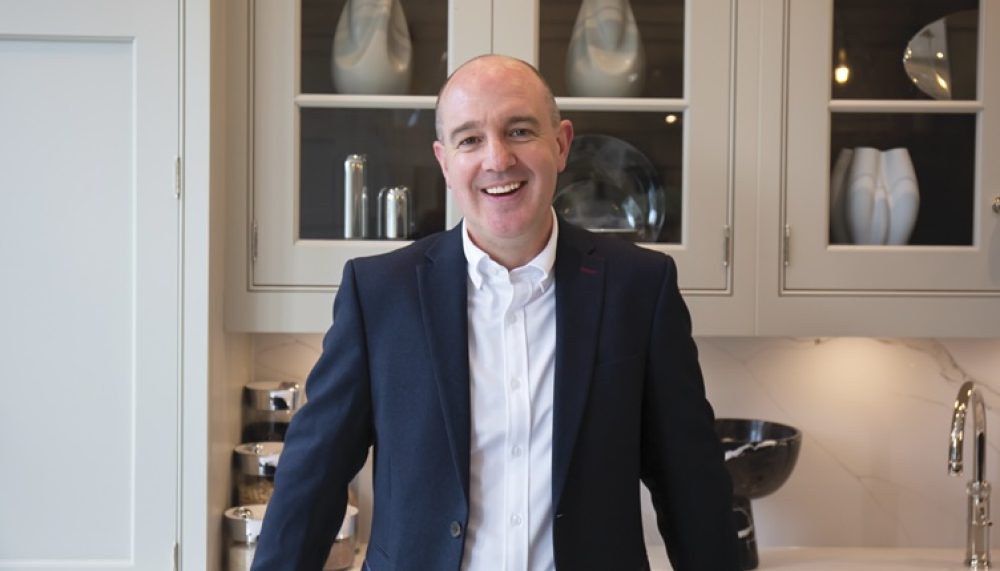
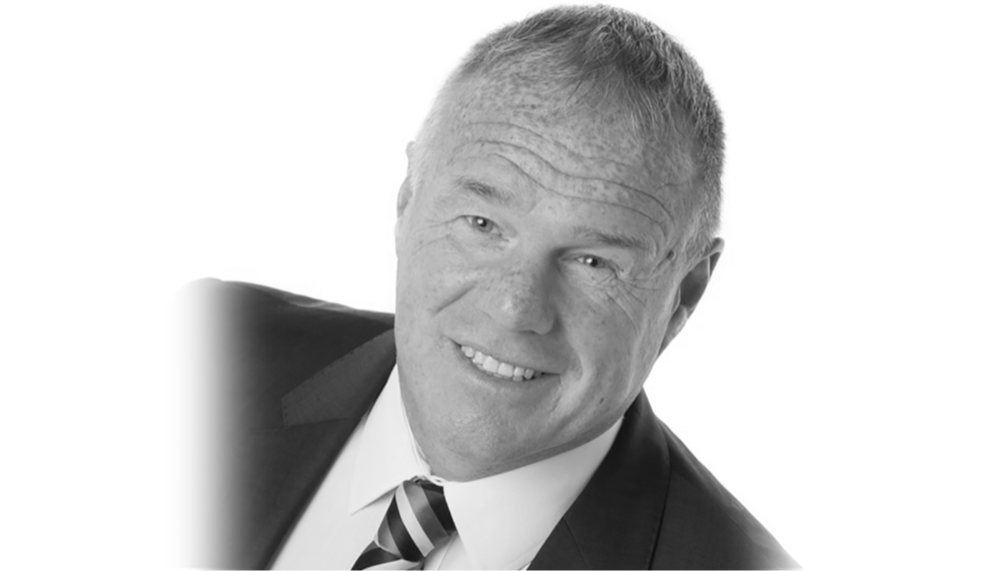
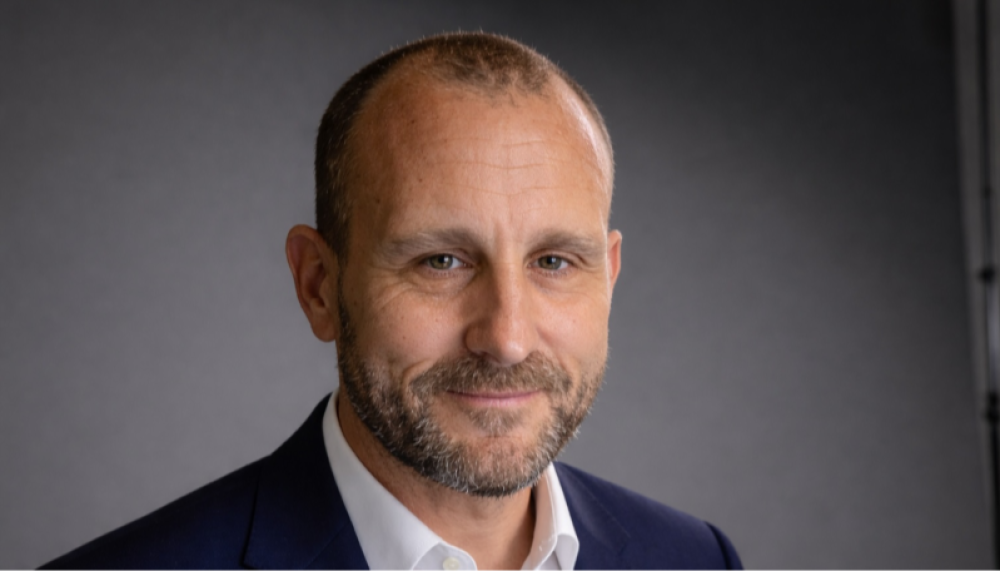
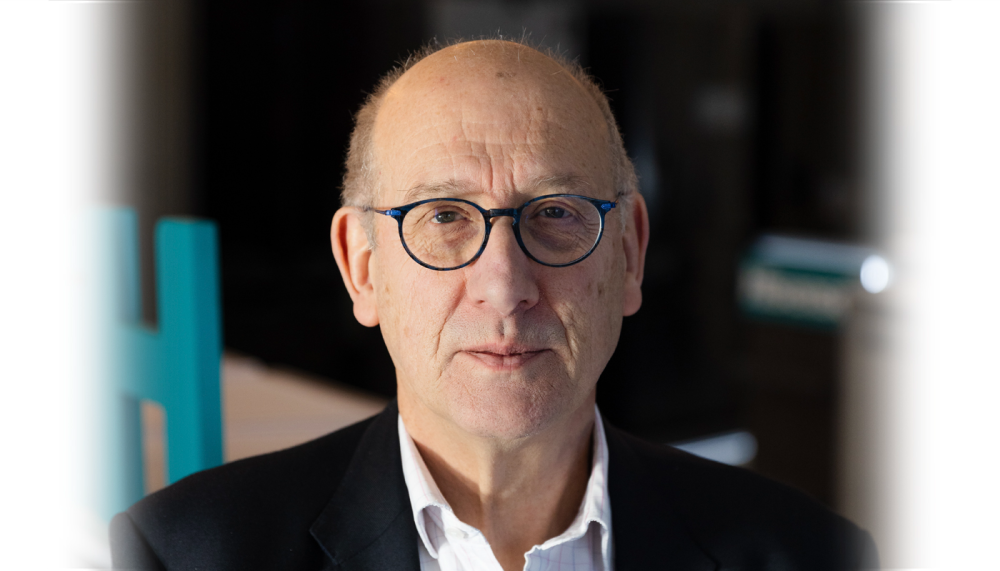
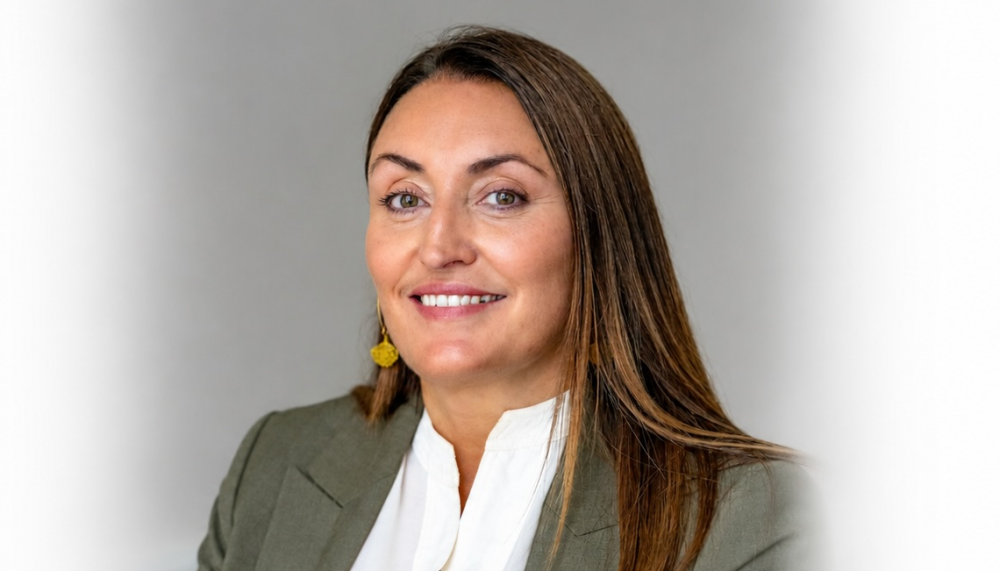
Howard Grindrod, UK vice president of Chinese consumer electronics giant Hisense, talks to Tim Wallace about building a brand presence, why loyalty can no longer be taken for granted and why products need to fit around how people actually live.
Much of the industry conversation right now is focused on how brands can navigate a difficult market, protect margins and emerge intact. But the more pertinent question is what has changed underneath the market itself, and whether those changes have created opportunities for companies that would once have struggled to break through.
Hisense is an interesting case study. Its rise has happened against a backdrop of shifting consumer behaviour, greater price transparency, weaker assumptions around brand loyalty and an increasingly blurred line between online research and physical retail. Its story is therefore about more than resilience in a difficult market – it is about how the rules of the appliance market have changed.
When Hisense arrived in the UK, it was easy to make assumptions about what kind of company it would become. The Chinese consumer electronics giant was entering an appliance market dominated by established European names, and the expectation, according to UK vice president Howard Grindrod, was that it would compete primarily on price.
More than a decade later, Hisense is the number one cooling brand in the UK – its KBB business spans cooking, dishwashing and laundry, and its sales are split roughly 50/50 between physical retail and online. Yet Grindrod is reluctant to describe the job as finished.
“I don't believe we've arrived at being a household brand yet,” he says. “I don't think we're anywhere near that. And that's the thing that keeps us up at night, really.”
That may sound surprising for a company with substantial global scale and a growing presence in British homes. But it goes some way to explaining how Hisense approached the UK market in the first place.
“When we came on board in the industry, it was 2012,” Grindrod says. “People were expecting a Chinese brand to probably just be low end. They didn't really measure our appetite for becoming a household brand and a respected brand.”
The temptation, he says, would have been to chase quick sales with cheap products and aggressive deals. Instead, Hisense spent years building its position.
“What I personally didn't want to do was to rush in, go for quick wins by coming in with super-cheap products,” he says. “Then people expect some ridiculous deal every time you walk through the door.”
Retailers, too, needed convincing. Taking on a new brand means giving it space in stores and online, as well as investing time in meetings and marketing. Hisense therefore had to give retailers a reason to take the risk.
Earning the brand
That philosophy has become increasingly relevant as consumers have gained more power to judge products for themselves. Grindrod points to a generational shift, with younger consumers less inclined to buy the same brands their parents bought and more interested in features and design. But he believes the bigger change has been the amount of information available to them. “The thing about the internet is that bad product gets called out very quickly,” he says.
For Hisense, that created both a risk and an opportunity. By the time the pandemic arrived, the company had already spent years building its online presence, working with major retailers and investing in product information. It had also established brand awareness through football and Formula One sponsorship.
Covid accelerated the process. Consumers were spending more time at home, researching products and investing in their kitchens and other parts of the house.
Hisense has grown steadily, Grindrod says, without deliberately over-trading or compromising its products. He estimates that its appliances typically receive “80 to 90% good reviews”. “It all starts with the product,” Grindrod says. “It's not us setting it. It's always better when somebody else talks about you.”
That also changes what brand heritage is worth. Grindrod rejects the idea that established European brands necessarily make excessive profits simply because of their history. Building and maintaining a brand costs money, he says, from advertising to sponsorship. The result is not the death of brand loyalty so much as a change in how loyalty is earned. One of the clearest examples came in refrigeration. Hisense initially expected conventional fridge-freezers to be its strongest sellers. But 1 or 2 multi-door products began selling far more quickly than expected. Hisense moved quickly with its product teams and developed variants around the multi-door concept.
“We approached it from the point of view that it was a big cupboard, really,” he says. “It's a cupboard that you want to open. It's got to fit into your kitchen really well, and you go and get stuff out of it. It isn't some fancy gadget.”
That idea now sits behind Hisense's approach to design. Its latest 'Kitchen Fit' concept is designed to make appliances blend into the room rather than stand apart from it. A fridge can be configured so that it sits flush with the kitchen fascia, while washing machines are designed around a clean, seamless front. “Our products are only a function of how people live,” Grindrod says.
True innovation
The same pragmatism informs Hisense's approach to technology. During periods of extreme heat, for example, being able to check the temperature of a fridge remotely and adjust it can be useful. “Innovation has got to be practical,” Grindrod says. “It's got to do something for you.”
He is notably cautious about predicting where AI might take the industry, but suggests it could allow appliances to learn how consumers use them: how often a fridge door is opened, which washing or dishwasher cycles are selected and what settings are repeatedly changed.
Some of Hisense's latest products are already moving in that direction, with refrigeration technology able to suggest recipes based on ingredients available in the fridge, while washing machines can determine appropriate detergent levels and cycle times according to the load. The technology matters less than the problem it solves.
The growth of online shopping has not, in Grindrod's view, made physical retail redundant. He sees the online and physical channels as parts of the same journey rather than competing worlds. “I really do think it's an ecosystem now,” he says. “I don't think either end will survive without each other.”
That also changes the role of the showroom. Consumers arriving in store increasingly know what they want and are looking for advice or confirmation rather than simply browsing to discover what exists. That’s one reason Grindrod still sees physical retail as particularly important for premium products. “Premium is quite a tactile sector,” he says. “You've got to touch and feel it.”
The visual experience matters, as do features and benefits, but there is still something that happens when a consumer opens a door, slides out a drawer or handles a product.
The irony is that Hisense has achieved the scale that it once lacked while insisting that it should not behave like a traditional established manufacturer. But Grindrod still considers the company a start-up. For him, the danger of becoming slow and conventional comes when organisations “build too many silos and too many layers of management”.
That mindset extends beyond product development to reliability and service.
“Just keep remembering what you're here for,” he says. “To sell products, and that they remain sold, and they go wrong as little as possible, and then when they do go wrong, you can fix them as quickly as possible, with as little fuss.”
Hisense's progress is therefore not simply a story about a Chinese company overcoming prejudice or taking share from established European brands. Grindrod sees nationality as increasingly irrelevant.
“Just about everything you've got has got Chinese components in it or part of the product will be made or influenced by Chinese design,” he says. “If they want to buy something disposable, they'll buy something disposable. If they want something to last, and they're keen on the design and everything, they will research, and they will get just what they want.”
That may explain why Grindrod remains unwilling to declare Hisense a household brand. The company has built awareness and credibility. But the process never really ends. “You've got no God-given right to actually be in a market,” he says. “As soon as you think you have, it's probably the time for you to get out of it.”
For a company that was once expected to compete mainly on price, it is a revealing way to finish. The market may have changed, consumers may have more choice and information than ever, but the fundamental test remains the same: make something people want, and give them a reason to choose it.
Tags: interview, features, howard grindrod, hisense, appliances, kitchens
Sign up to our newsletter
Most Read