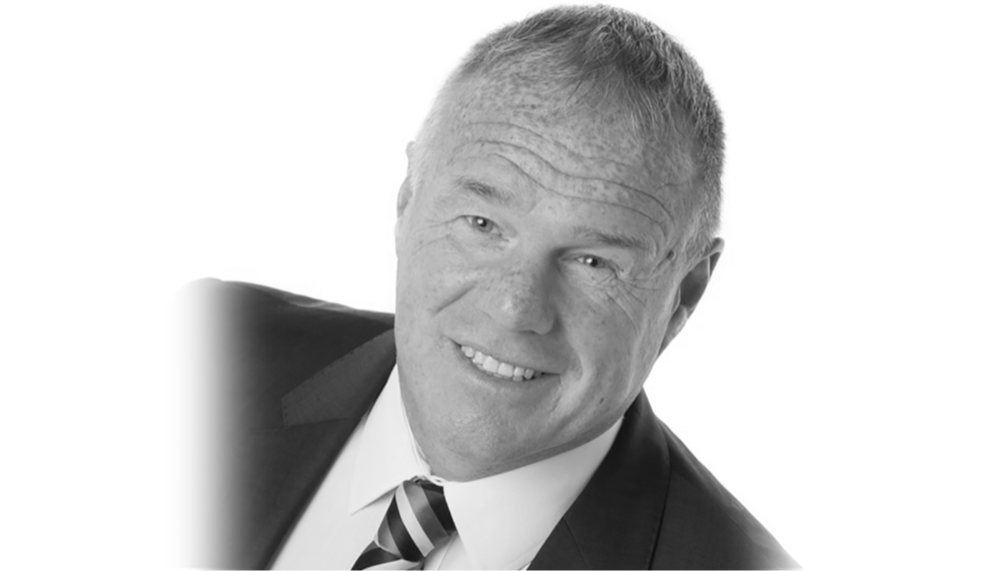
Daphne Doody-Green: From industry conversation to collective action

Daphne Doody-Green: From industry conversation to collective action
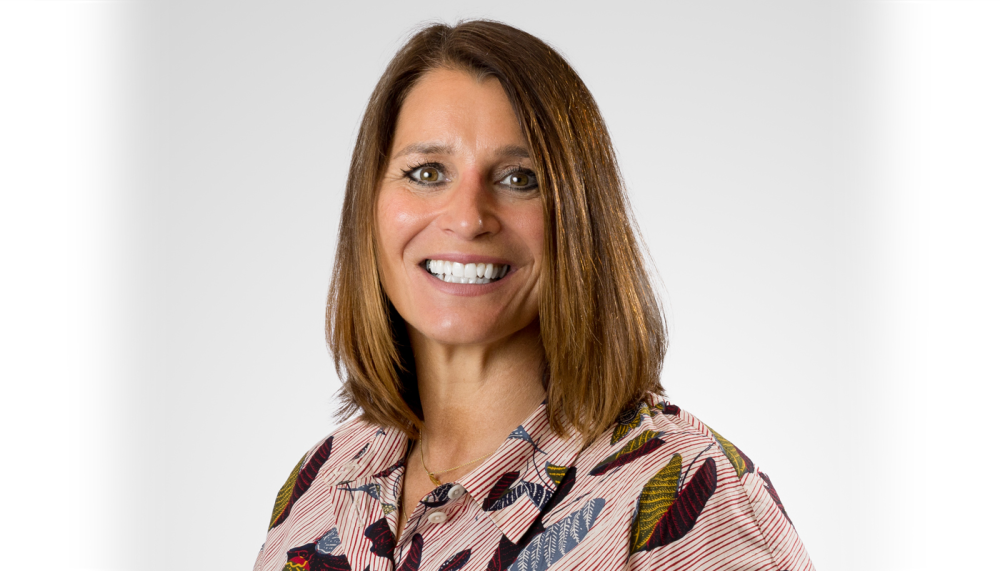
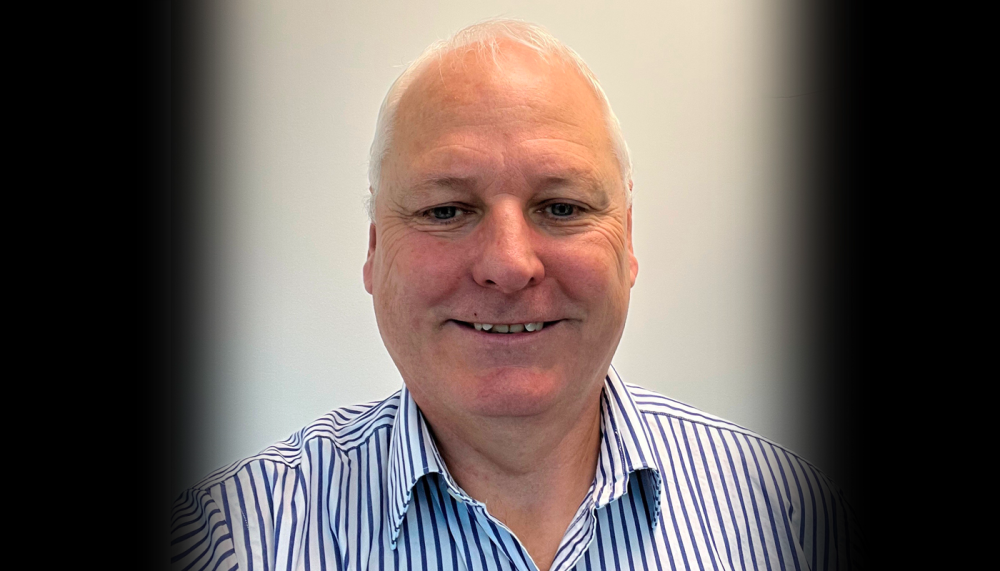
Daphne Doody-Green, CEO of the Bathroom Association, considers how greater co-operation across the bathroom sector can turn shared challenges into meaningful progress.
The bathroom industry does not lack conversation. We meet regularly to discuss the pressures affecting our businesses. The question is whether enough of those conversations result in collective action.
Our sector includes manufacturers, distributors, merchants, retailers, designers and installers, each with different commercial priorities. However, its biggest challenges do not respect those boundaries.
Product manufacturers alone cannot address water scarcity. Raising installation standards requires co-operation throughout the supply chain. Building consumer confidence depends on reliable products, clear information and competent installation. Meanwhile, decisions on housing, packaging, sustainability, regulation and skills affect businesses across the sector, whether or not they are directly involved in today’s policy discussions.
No single business can solve these challenges alone, which is why we chose ‘Stronger Together’ as the theme of this year’s Bathroom Association Connect Conference.
Broad agreement already exists on many of the problems. The harder task is identifying what we can achieve collectively and being prepared to follow that through.
Collective action does not mean every business must hold the same view. A healthy industry should expect debate, particularly when companies face different costs, responsibilities and commercial realities. Collaboration becomes meaningful when those differences are discussed honestly, supported by evidence and used to develop positions that command wider credibility.
We are already seeing this approach put into practice. On packaging Extended Producer Responsibility, the Association is working with the Construction Products Association and other trade bodies to ensure industry concerns are communicated through a stronger, coordinated voice.
Our strengthened alliance with the British Institute of Fitted Interiors Specialists provides another practical example. The agreement creates a formal framework for cooperation on standards, skills, consumer confidence, policy engagement and best practice. These are shared priorities on which closer alignment can increase both organisations’ influence and impact.
A fragmented response, comprising separate voices advancing similar but slightly different arguments, is easier for Government and regulators to overlook. A co-ordinated position, backed by experience from across the market, is much harder to dismiss.
Trade associations have a responsibility to create the conditions for that cooperation. A key objective for the Bathroom Association is to bring industry leaders together to consider what a resilient future looks like, creating space for senior figures across the supply chain to share perspectives, challenge established thinking and work towards solutions that strengthen the whole sector.
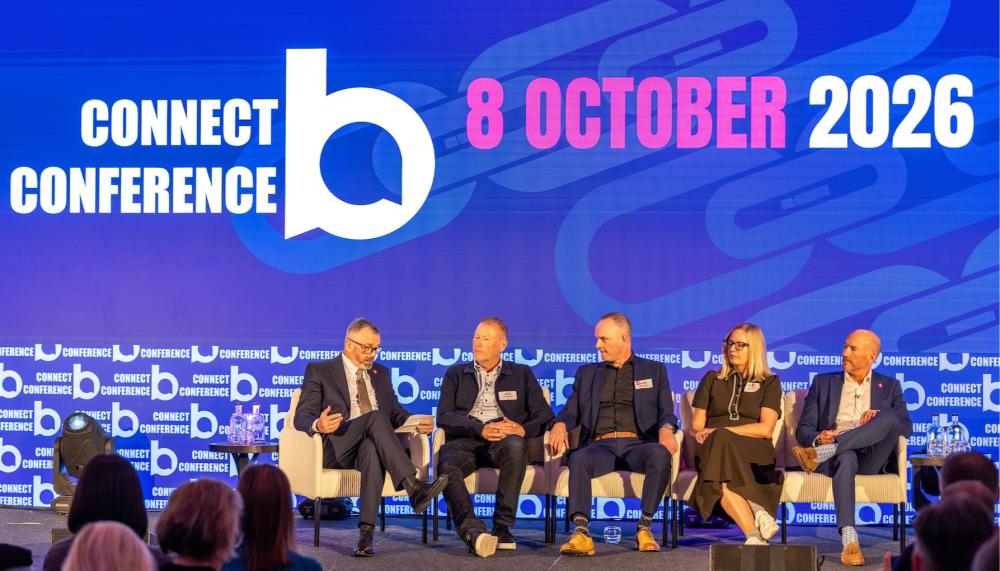
That is also the purpose of our Connect Conference on 8th October. The value of the day will not simply be measured by attendance or the number of conversations held, but by what those conversations prompt next.
Our expert panel on skills shortages and uneven competence across bathroom installation and plumbing will put that principle into practice. It will bring different perspectives together to consider what the industry can do collectively to support higher standards, greater competence and a more resilient workforce.
The challenge now is not whether we understand the issues facing our sector, but whether we are prepared to work together to solve them. If we are, our industry will be stronger, more resilient and better placed to shape its future.
Tags: insight, features, daphne doody-green, bathroom association, connect conference 2026, bathrooms



Sign up to our newsletter
Most Read