Interview: ‘We make what you don’t find elsewhere’ – Lee Capewell on Avanti’s edge
Wed 29th Apr 2026 by Tim Wallace
Interview: ‘We make what you don’t find elsewhere’ – Lee Capewell on Avanti’s edge

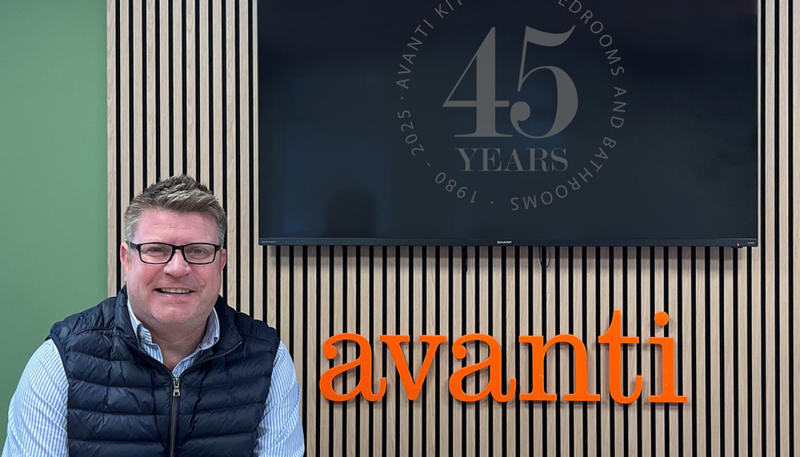
Avanti Kitchens has grown from a small factory in Lye, near Stourbridge to a 5-showroom independent powerhouse. MD Lee Capewell tells Tim Wallace how craft, in-house manufacturing, and long-serving staff keep the business distinctive and competitive.
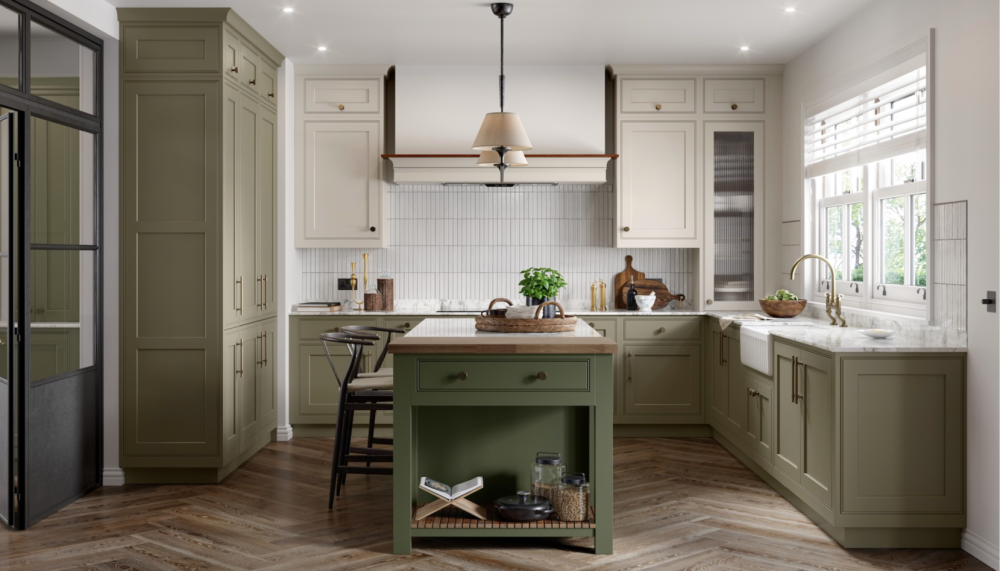
Avanti Kitchens has long been a local institution in the West Midlands, but under the guidance of MD Lee Capewell it’s become much more than a regional name. For a company that began life in 1980 as a modest production facility in Lye with a showroom in Birmingham, it now stands as one of the largest independent KBB manufacturers and retailers in the area. Its 5 showrooms, from the flagship site in Brierley Hill to Streetly and Solihull, form a resilient network that underscores the company’s regional influence.
Despite significant economic headwinds, Avanti has enjoyed roughly 10% growth in revenue recently. Kitchens remain the largest segment of its business, but bedrooms, bathrooms, and even home office furniture are growing contributors. It also runs a popular contract division, which is increasingly in demand.
“What we’ve done over the years is build something that customers recognise,” Capewell explains. “We’ve just completed our 75,000th installation since we started, which is a great way to celebrate 45 years in business.”
That longevity is no accident. A core pillar of Avanti’s appeal is its insistence on manufacturing cabinetry and furniture in-house. That means it can adjust production quickly, tailor every unit to its environment, and control quality.
“It’s a key differentiator,” Capewell says. “We can deliver a level of service and product that really stands out. It gives us a competitive advantage. We are also in full control of quality and delivery times, ensuring we can sometimes turn installations around a lot quicker than our rivals.”
This manufacturing backbone gives Avanti flexibility that has proved vital in turbulent times. Recent company restructuring was a difficult but necessary step in refining operations and ensuring the business remains agile. “It was tough, no question,” Capewell says. “But it allowed us to retain a highly skilled and experienced team, while making sure we’re in the right shape to handle future growth.”
Despite the changes, Avanti maintains a wealth of institutional knowledge, with staff who have spent decades with the company. “I’ve got people who have been here 25 years, and our factory manager has been with us for 40 years,” he says. “That kind of experience is priceless, especially when you’re delivering bespoke cabinetry where attention to detail matters.”
However, he’s candid about the ongoing challenges facing the industry, including rising raw material costs, cautious consumer spending, and a fiercely competitive landscape.
“The market is tough,” he admits. “Costs for materials and labour are rising, and customers are understandably cautious. The buying cycle has lengthened because people are doing more research and making more informed decisions. That means sales conversations take longer, but the quality of those conversations has improved.”
Market pressures include raw material volatility, the Iran conflict and currency fluctuations. “We’re exposed to the usual challenges,” Capewell says. “But again, having the factory means we have more control over costs and pricing. We can adjust our operations more flexibly than companies reliant on external suppliers.”
Government policy isn’t helping, he adds, with rising costs another significant factor. National Insurance increases, the rise in the minimum wage, and business rate hikes add pressure to profitability.
“The National Insurance rise for employers felt particularly unfair,” he says. “It was a cost forced upon us that we had no control over, and it wasn’t clearly communicated. It’s these external factors that make trading challenging.”
Avanti faces fierce competition, especially from large national chains and retail multiples offering aggressive finance deals and promotional pricing. While finance is offered through Avanti, the compliance burden on independent retailers is heavy and time-consuming.
“Competing with big players on finance isn’t easy,” Capewell says. “They have access to more competitive rates and streamlined processes. We do offer finance, but the administration and compliance requirements are substantial for independents like us. It’s a necessary part of the business, but it adds to the workload.”
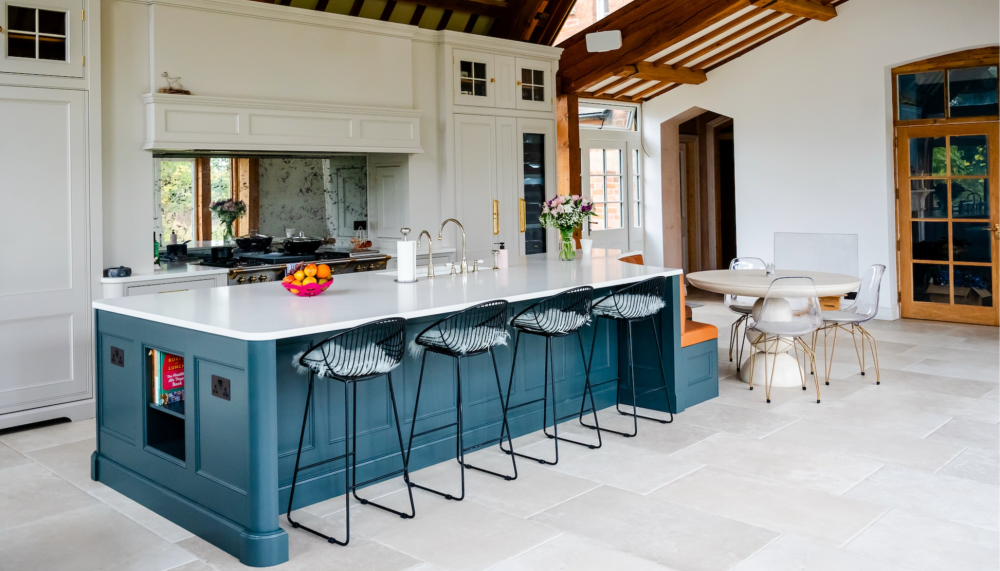
Every project is supported by a dedicated customer service manager who guides clients from initial concept through to installation. That level of engagement, combined with Avanti’s ability to tailor designs to quirky spaces such as rooms with sloping ceilings or odd angles, has helped it build customer loyalty that runs deep. More than 65% of Avanti’s sales reportedly come from existing customers and referrals, a testament to the brand’s strong reputation.
"Our in-house product development team and manufacturing facility is a major plus point, as it reduces our reliance on others, leaving us more in control of our own destiny,” Capewell says.
“We take time with customers. That personal touch matters. When someone walks through the door, it’s not just about making a sale, it’s about understanding their home and their life.”
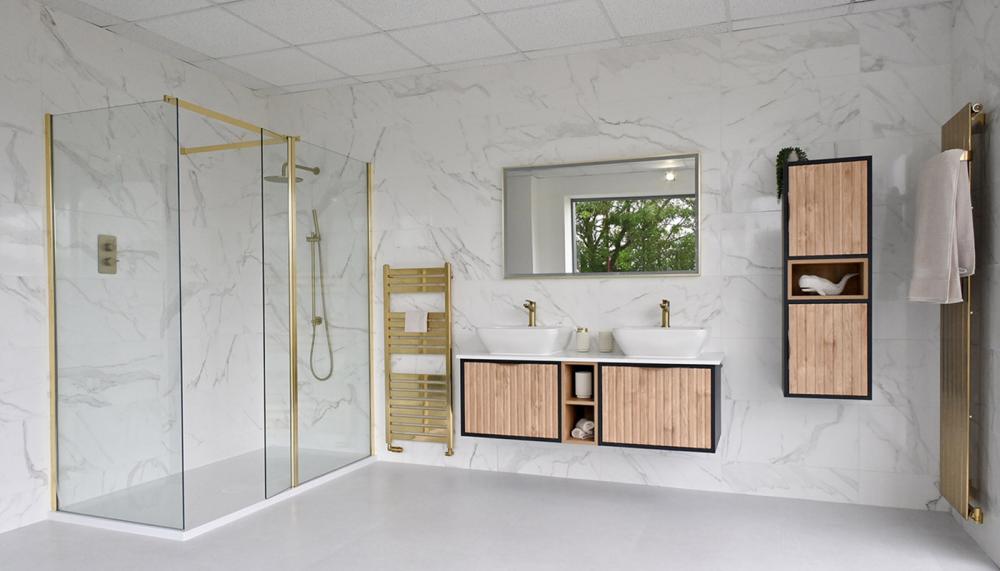
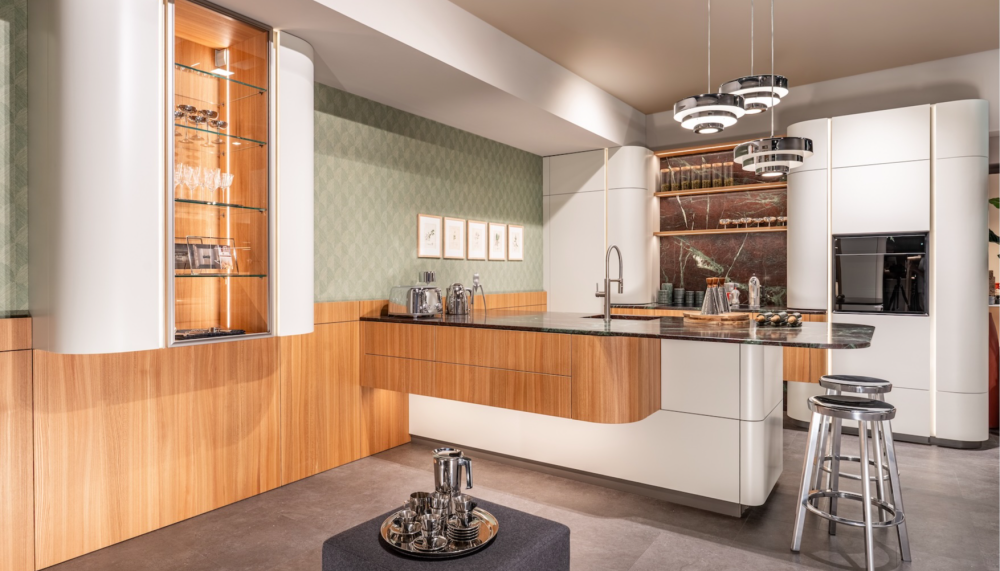
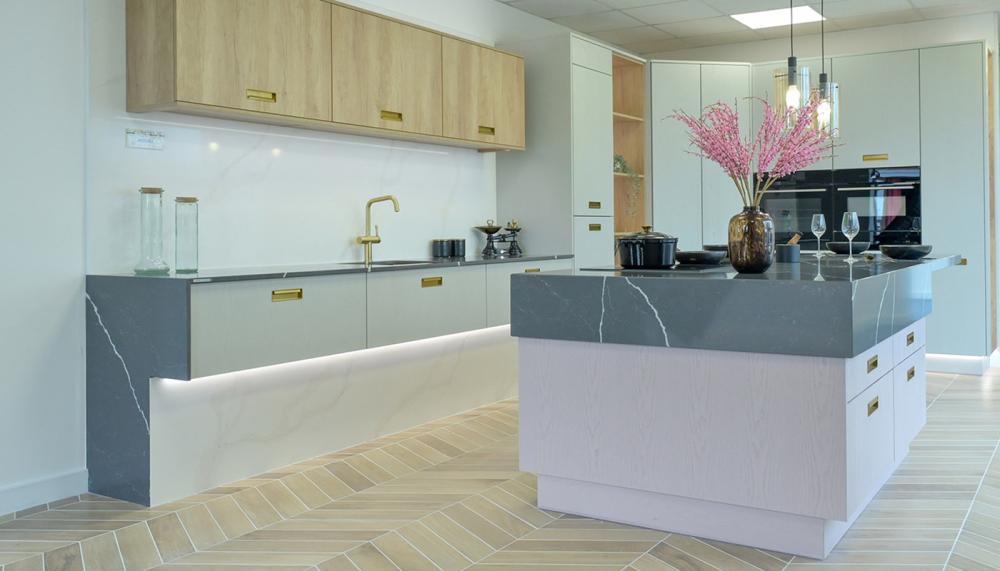
Such devotion doesn’t go unrecognised within the business. When the company refurbished its flagship Level Street showroom in 2025, the aim wasn’t simply to show more product. Rather than crowd spaces with displays, Avanti created distinct presentation areas that feel more gallery than shop floor, letting designs breathe and customers imagine themselves in the space. “We tried to do things differently,” Capewell says, “and the reaction from consumers has been fantastic.”
Avanti’s commitment to sustainability is another facet of its identity that sets it apart. Long before eco credentials became industry buzzwords, the company invested in waste management systems that have brought its landfill impact close to zero and see waste wood reused to heat the factory in winter months. Capewell views this approach as common sense rather than marketing. “We turn what would be waste into energy,” he says. “It’s practical and responsible.”
Despite the broader industry pressures, Avanti has also made internal improvements. Recent investments include a £250,000 plan to upgrade the Solihull showroom and add a new beam saw to boost production speed in 2026. These are moves Capewell sees as laying the groundwork for future growth.
Digital channels also feature prominently in Avanti’s strategy. A planned relaunch of the company website for later this year, expanded social media engagement, and a growing focus on online visibility reflect the changing way homeowners research and plan their projects.
But for all its growth, Avanti remains rooted in its Black Country identity: a business born of craftsmanship, sustained by community trust, and driven by people who know their trade inside out. It is a heritage Capewell believes can carry the company confidently into whatever comes next.
Tags: interview, features, avanti kitchens, lee capewell, kitchens