Cyncly's Tristan Wedgbury – Are you getting the most out of your software?

Cyncly's Tristan Wedgbury – Are you getting the most out of your software?
Could the biggest threat to your showroom's profit margins be something you're not even aware of? Tristan Wedgbury, senior training manager at Cyncly, explores why making better use of the software you already own could be one of the smartest investments you make.
I regularly meet retailers who have been using Winner for 10 or even 15 years. They know the software inside out, run successful businesses and have established processes that their teams follow every day. Yet when we review those processes together, we often find they're based on decisions made years ago when the business was different and so was the software.
Those processes may have served the business very well. The question is whether they're still the best way of working today.
One of the things I've learned from running 'Are You Getting the Most Out of Winner?' workshops is that experience doesn't always equal optimisation. Pricing, quotations and the journey from quote to order are often managed using processes set up years earlier and never revisited. Across the KBB industry, retailers invest thousands in sophisticated software, yet many only scratch the surface of what it can do. They learn enough to get the job done, become comfortable with their routines, and carry on.
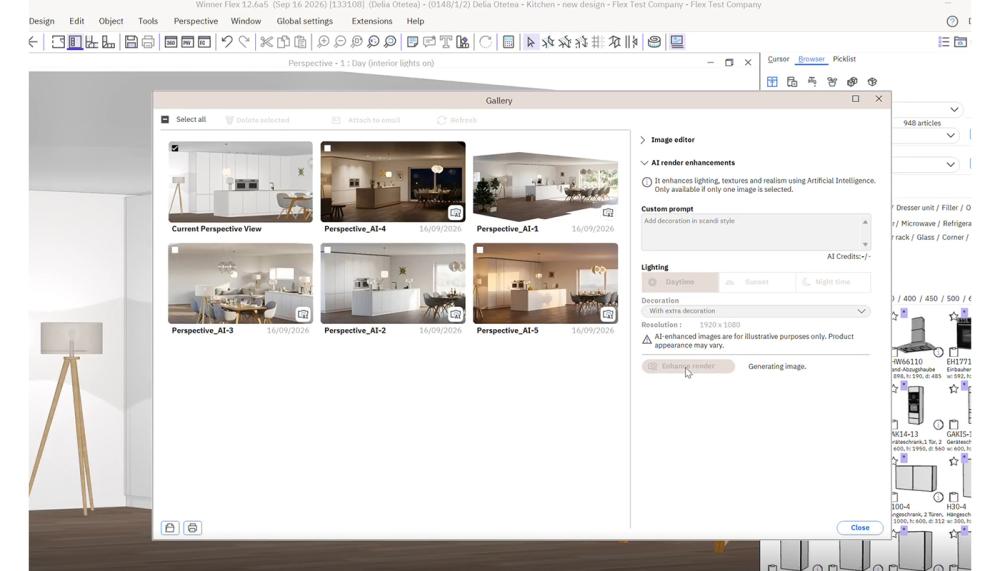
And why wouldn't they? The designs look great, customers are being served and orders are coming in. But the truth is that the cost of the knowledge gap isn't inconvenience – it's margin. And as software becomes increasingly capable, that skills gap is quietly becoming more expensive.
Think about it. When did you last review the way your business calculates quotations? Are your supplier catalogues up to date? Do you know exactly how discounts affect profitability? Or are you relying on processes somebody set up years ago because, well, they've always worked?
A designer manually transferring information between systems could be wasting hours every week. An old quotation template might be making commercial decisions nobody in the business can now explain.
The irony is that retailers often assume improving efficiency means investing in something new, when the answer might already be sitting on their computer.
A different way of doing business
Take Raith Rahmani at Prestige Kitchens in Stalybridge. After 8 years using Winner primarily for graphics, Raith and his team undertook workflow training to explore what else the software could offer.
What they discovered wasn't simply a collection of clever features. It was a different way of running their business. They updated their catalogues, aligned pricing with their desired margins, personalised their quotation setup and gained a clearer understanding of how discounts affected each sale. They also streamlined the journey from quotation to contract and order, including a direct connection to their supplier. The result? Raith reports a good increase in profit margins on jobs since completing the training.
One feature particularly stands out for him: being able to see the profit on a design while he's creating it. That's a powerful difference. Instead of hoping a job delivers the margin you expected, you can make informed decisions before the quotation even reaches the customer.
There's a misconception that software training is something you do when you first install a system or recruit a new designer. But what about someone who's been using the same programme for ten years? Experience is invaluable, but familiarity can be deceptive. You can be brilliant at using the features you know without realising how much else you're missing.
Software evolves. New functionality arrives, workflows improve and tasks that once required several steps can become much simpler. Yet many experienced users haven't had structured training since they first started. They've learned on the job and found workarounds.
That's understandable. Running a busy showroom doesn't leave much spare time. But if a few hours of training could improve your margins on every job, isn't that time worth finding?
Making training count
Of course, there's little point investing in training if everyone returns to their old habits the following morning. The real challenge is turning what people learn into lasting changes.
When The Bathroom Showroom moved its 290 UK showrooms onto Virtual Worlds, we knew training more than 300 colleagues couldn't simply mean putting everyone through a course and hoping for the best.
Instead, we trained internal champions who could support colleagues across the branch network. Training took place over 3 to 4 weeks, with the old and new systems running alongside one another for a month. The business went live in November 2024, allowing teams to build confidence ahead of the January peak. Bear in mind, they'd been using their previous software for thirteen years. That's a lot of established habits to change.
The lesson applies just as much to an independent retailer with 3 designers as it does to a national showroom network: someone needs to own the process, and training needs to reflect how the business actually operates.
That's why our approach focuses on retailers' own catalogues, pricing and quotations, rather than hypothetical examples. The aim isn't simply to show people what the software can do. It's to help them change the way they work.
We often talk about training in terms of saving time, and that's certainly important. But I'd argue the bigger benefits are confidence and commercial control.
So here's my challenge. Look at the processes you set up when you first bought your software. Would you make exactly the same decisions today? If not, perhaps it's time to revisit them. Because sometimes the biggest opportunity to improve profitability isn't in the next piece of technology you buy. It's in finally discovering what the technology you've already paid for can do.
Tags: insight, features, cyncly, tristan wedbury, design software, kitchens, bathrooms


Sign up to our newsletter
Most Read