Cyncly's Kat Jones: The gap between dreams and reality when clients use AI for inspo

Cyncly's Kat Jones: The gap between dreams and reality when clients use AI for inspo
Everybody’s a designer now right? Homeowners are using AI to create their dream kitchens and bathrooms in seconds, bringing a whole new level of expectation into the showroom. Cat Jones at Cyncly explores if this is a help or a hindrance in clinching the deal.
Picture the scene. A couple arrive for their first design consultation and, before you've even offered them a coffee, out comes the phone.
"Look what we've designed!"
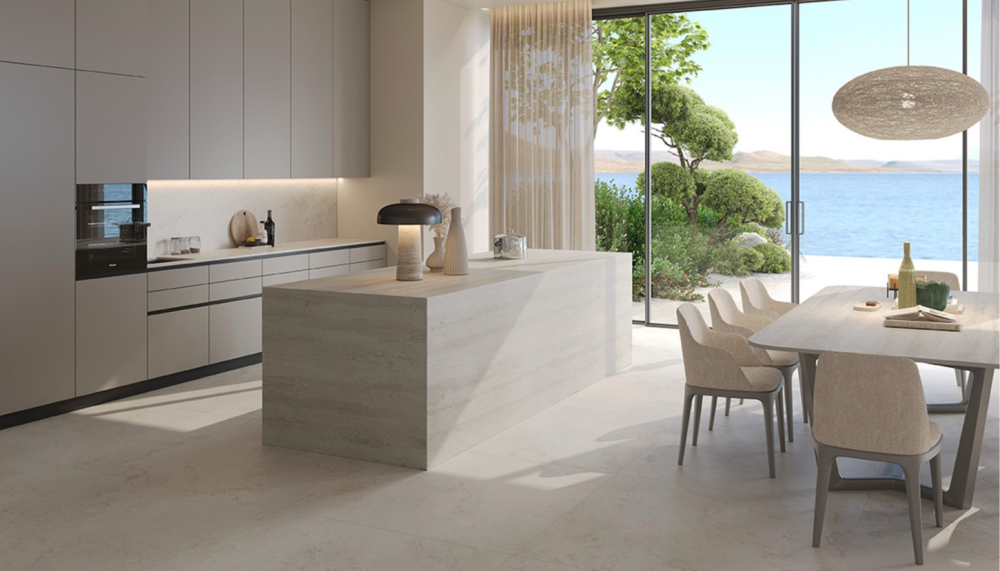
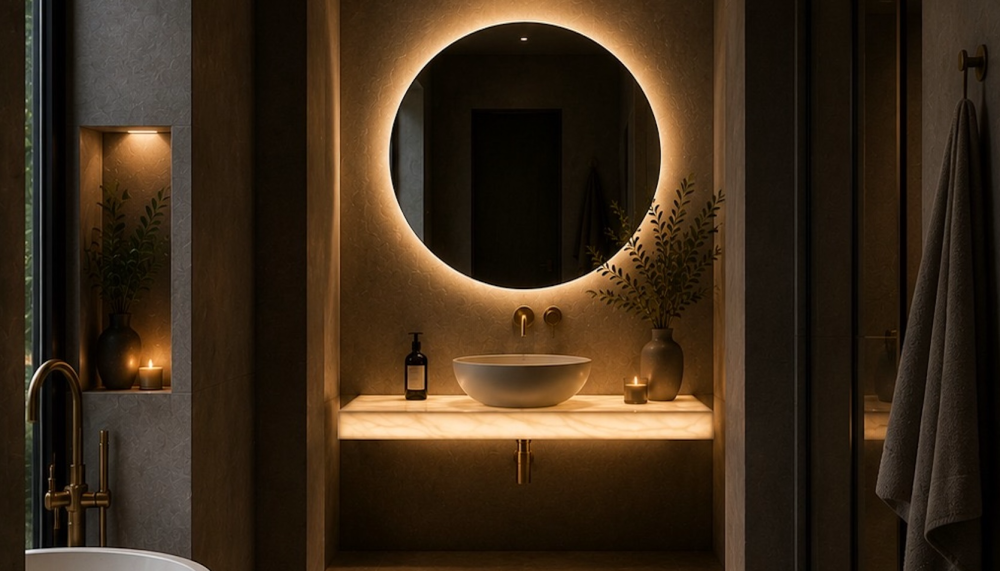
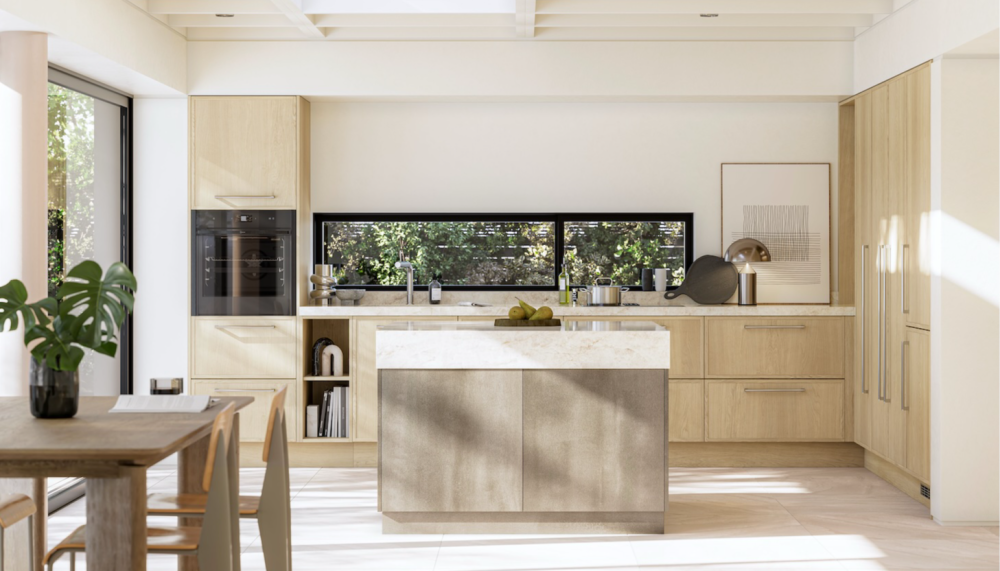
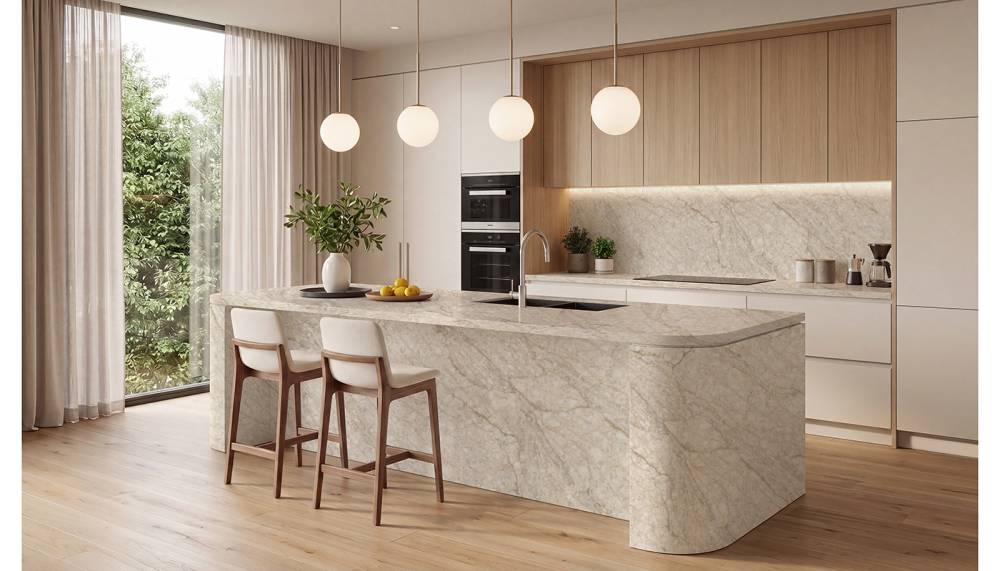
On the screen is their dream kitchen. A beautiful island, stunning cabinetry, perfect lighting and enormous windows overlooking a garden that wouldn't look out of place in a glossy interiors magazine. And they created it themselves last night, using a consumer AI tool. Sound familiar?
It's becoming an increasingly common and frustrating scenario for kitchen and bathroom retailers. And while you might be tempted to point out that the island wouldn't actually fit, or those enormous windows don't exist, I'd suggest resisting the urge. Because that picture could be one of the most useful things a customer brings into your showroom.
It tells you what excites them, what inspires them and what they dream their home could look like. It's a brilliant starting point for a conversation. The trick is knowing what to do with it next.
A pretty picture is only half the story
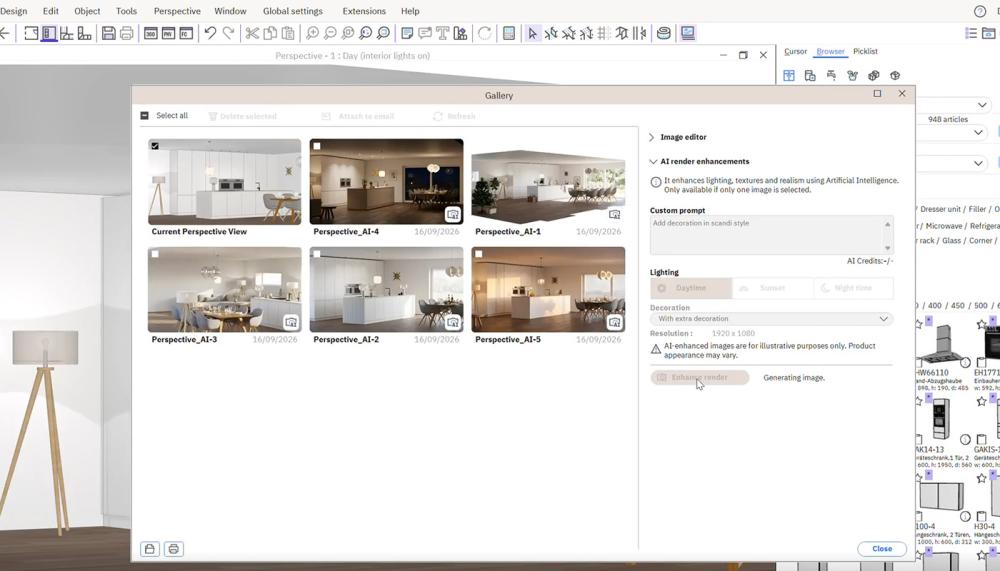
There's no denying that AI is changing expectations around design. Consumers can create remarkably realistic interiors in seconds, and even professional designers are experimenting with consumer AI tools to enhance presentations, adding softer lighting or a little more atmosphere.
Customers want to be wowed, and photorealistic visuals are increasingly part of that expectation. But here's where things get interesting.
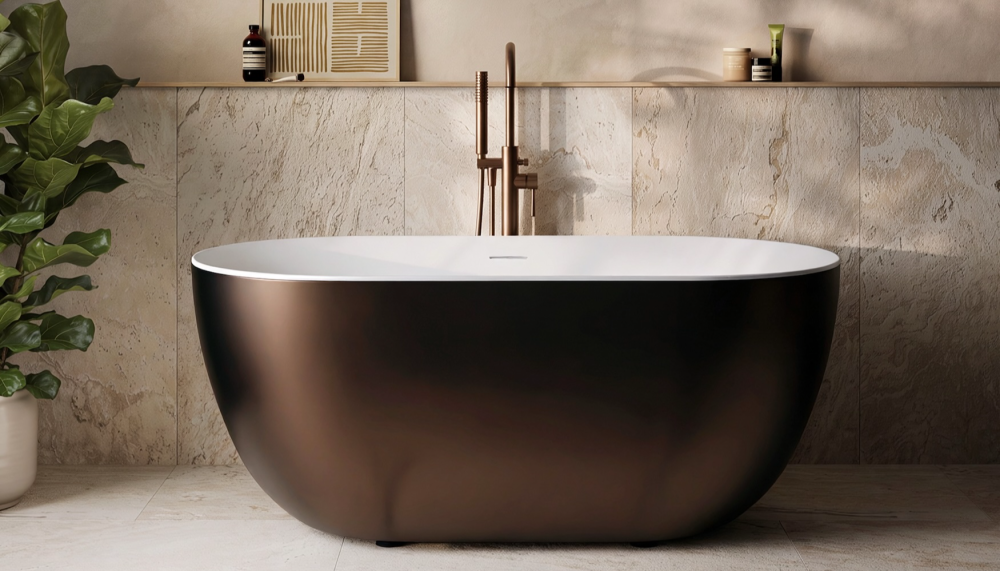
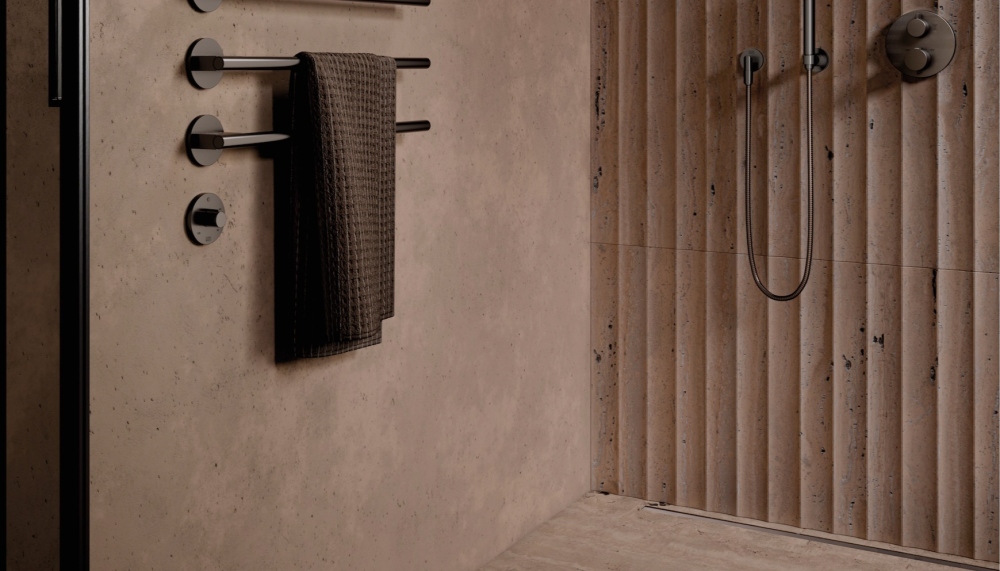
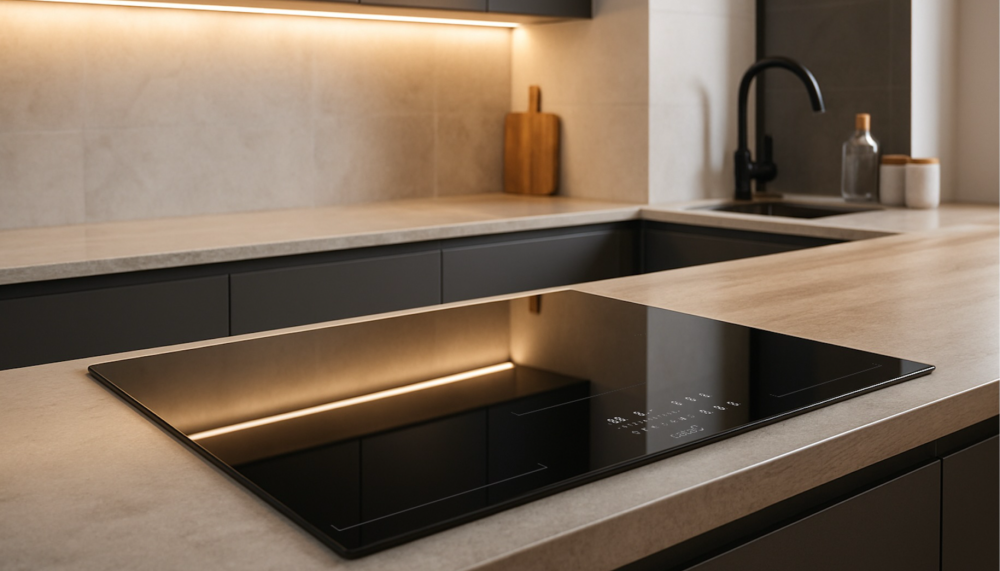
That gorgeous AI-generated kitchen might have an island that blocks the dishwasher. The beautiful bathroom could feature a freestanding bath that won't fit. And those fabulous cabinets? They might not exist anywhere outside of the AI's imagination. There's no product specification, no accurate pricing and no guarantee that any of it can actually be installed.
It's easy to see how expectations can get out of hand when a customer has fallen in love with something that only exists on a screen. And that's where a professional designer really earns their place.
Of course, telling a customer their dream kitchen is impossible isn't the best way to start a relationship. Nobody wants to hear that the image they've fallen in love with is completely unrealistic.
So why not start by asking what they love? Is it the cabinetry? The materials? The feeling of space? Once you understand what's captured their imagination, you can start exploring how to achieve a similar look. Perhaps there's a comparable door range, a more practical layout or a beautiful alternative to that imaginary tap.
It's an opportunity to share your knowledge, offer ideas they might never have considered and show them just how much is possible within their space and budget. And then comes the exciting part: showing them their dream in their actual room, using real products, accurate dimensions and realistic pricing. That's when a lovely picture starts becoming a genuine project.
Bringing the dream to life
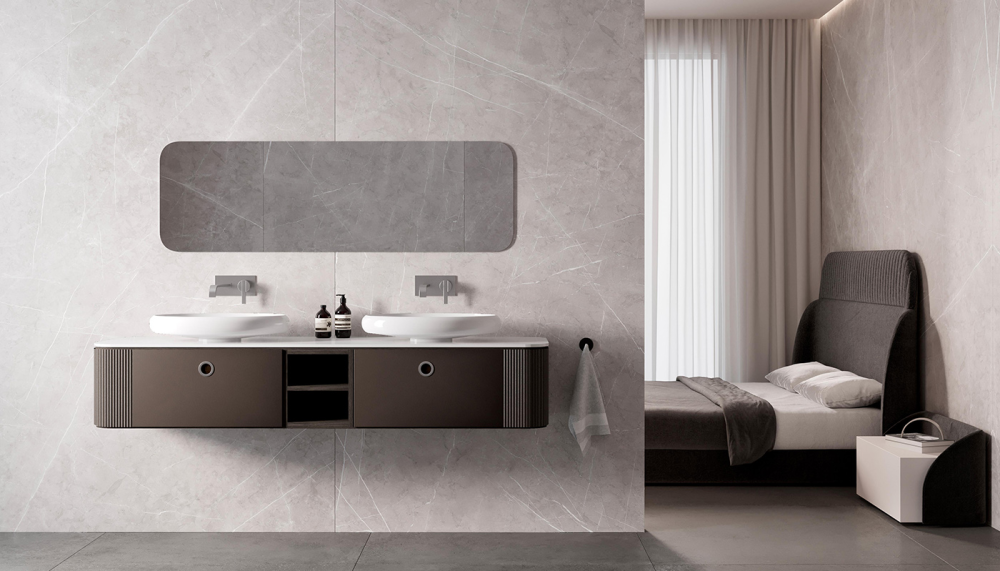
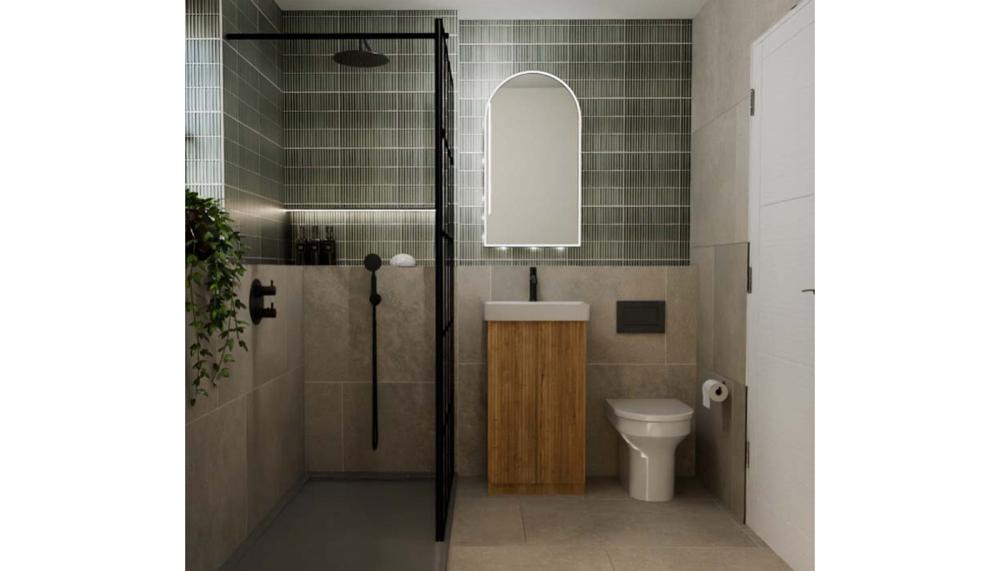
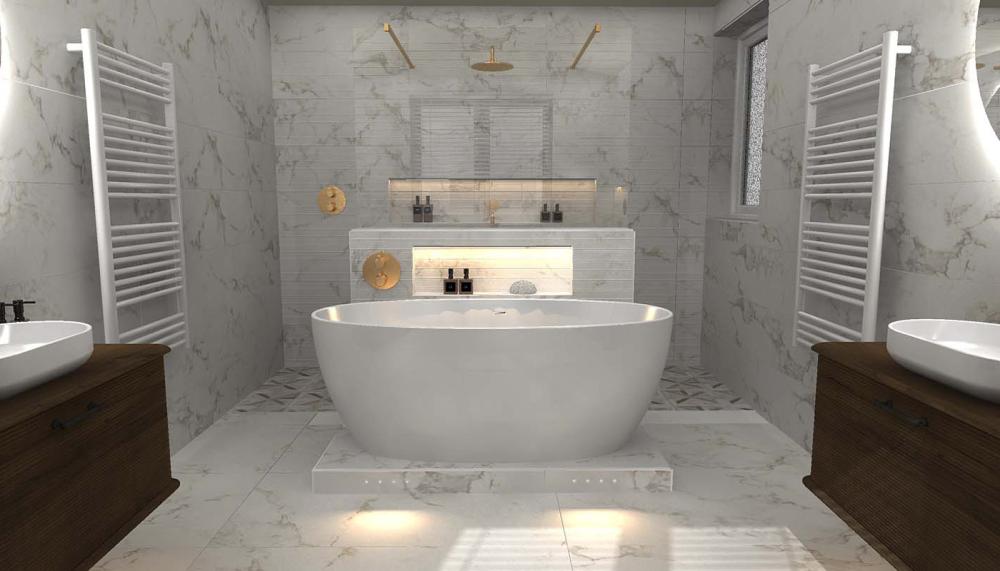
Beth Pearce, founder of Bethany Rose Design, an independent bathroom design studio in the East Midlands, understands the importance of getting this right. Her design packages combine realistic 3D visualisations with 2D technical drawings and full product specifications, giving customers a clear idea of how their finished bathroom will look and work.
"I believe that investing in the design stage is important for every customer, whatever the budget," she explains. "The right layout and product choices make all the difference and that starts with having a clear plan to work from."
After all, a new kitchen or bathroom is a significant investment. Customers want to feel confident about the decisions they're making, particularly when they're committing thousands of pounds to a project.
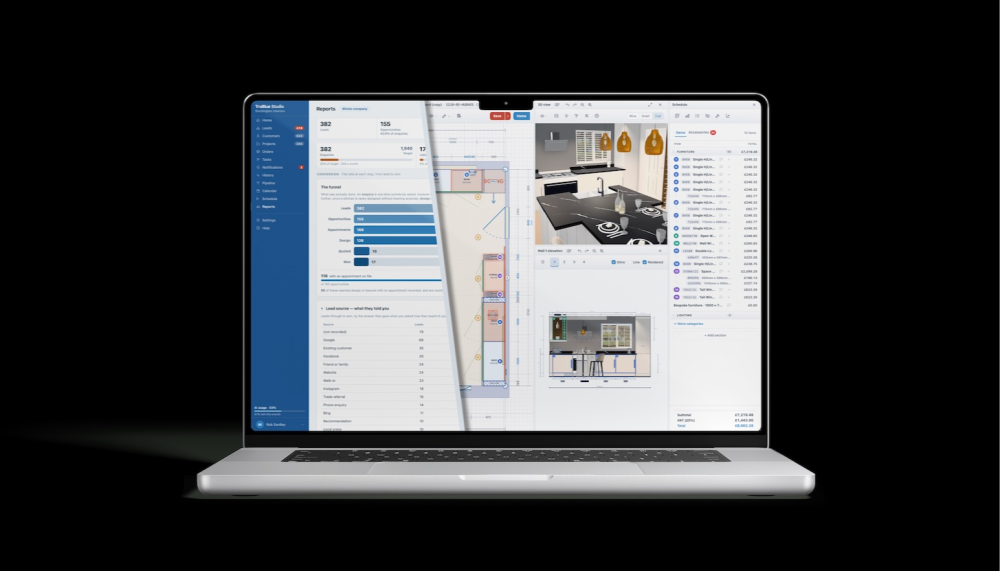
Beth uses Cyncly's Virtual Worlds software to help customers visualise the finished result. "I can give customers a clear picture of what their bathroom will look like, and that builds confidence from the start," she says.
That confidence can have a positive impact on business. "Our customers are really happy with the design packages we produce. Because they're realistic and delivered quickly, they help set the tone for the rest of the project. That leads to great reviews, and those reviews lead to more enquiries."
It's a great example of how realistic visualisation can help customers feel reassured and excited about their project.
AI has certainly made beautiful imagery more accessible, and it's likely we'll see more customers arriving with increasingly sophisticated ideas.
Professional design software gives retailers the tools to develop those ideas using real products, specifications and pricing, while their own experience helps them make the right decisions about layout, materials and practicality.
So next time a customer proudly slides an AI-generated image across your desk, welcome it. Ask questions. Find out what they love and show them how those ideas could work in their home. Making that dream a reality still takes someone who knows what they're doing.
Tags: insight, features, cyncly, kat jones, ai, kitchens, bathrooms

Sign up to our newsletter
Most Read