Riluxa CEO Frédéric Tomé looks back on 10 years of bespoke bathroom design
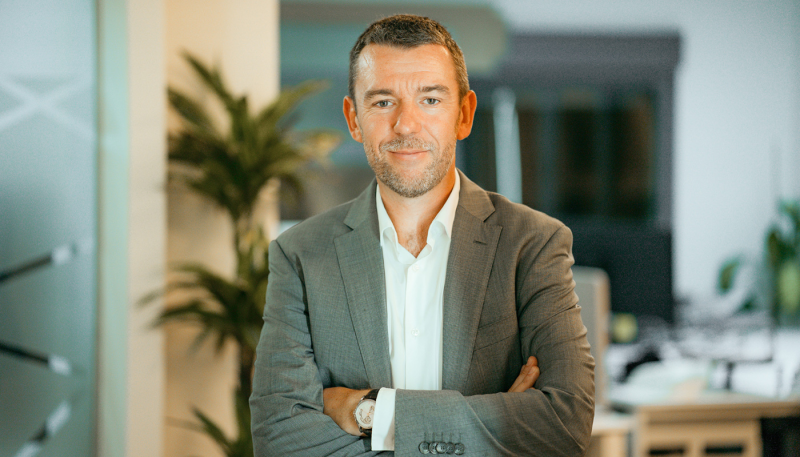
Riluxa CEO Frédéric Tomé looks back on 10 years of bespoke bathroom design
As Riluxa marks its 10th anniversary, CEO Frédéric Tomé offers a perspective on what has changed, and what hasn’t, in the design of luxury bathrooms.
Over the past decade, we’ve seen a clear shift in what architects and designers expect from bathroom suppliers. Increased material flexibility, tighter lead times and more control over specification have become essential, not optional.
Bathrooms were once largely defined by standardised furniture and sanitaryware. Today, they are increasingly treated as fully integrated architectural spaces. Designers are working with more complex layouts, from compact urban apartments to heritage renovations, where standard sizing no longer applies. Demand has grown for tailored dimensions, adaptable finishes and integrated solutions.
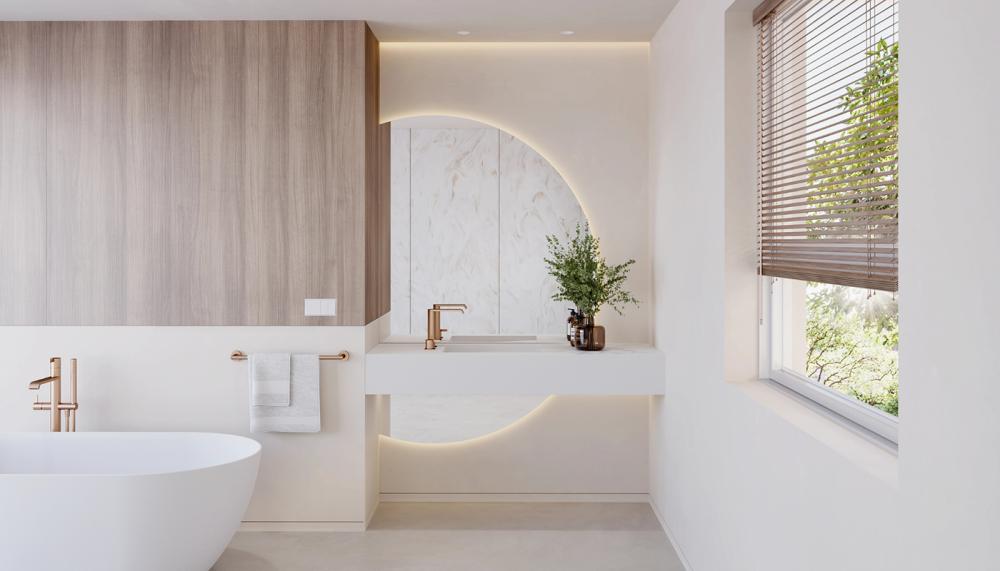
Freestanding baths have become more sculptural, vanity units more architectural, and materials are often used across entire surfaces rather than as isolated elements.
Material selection has evolved significantly. Rather than simply finishing a space, materials now play a central role in shaping both the aesthetic and performance of the bathroom.
The traditional palette of white ceramic and chrome is no longer dominant. Designers are specifying a broader range of materials, from solid surfaces like Corian® to natural stones such as marble and travertine, as well as engineered surfaces including Silestone or Dekton. These materials offer more control over texture, colour and continuity, enabling more cohesive and architectural outcomes.
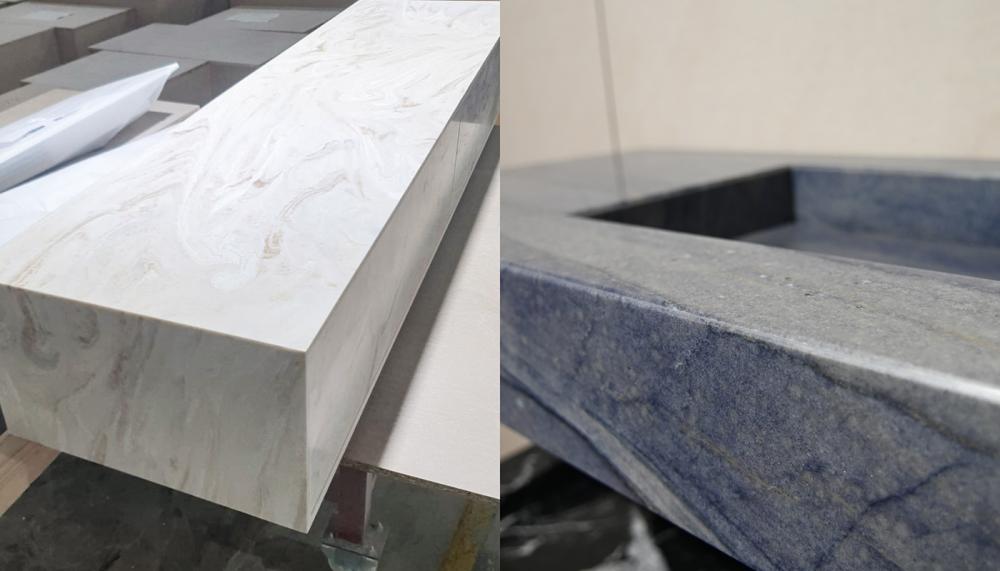
This evolution has also driven demand for custom colours, finishes and precise detailing, giving designers greater freedom to create distinctive solutions.
Advances in digital tools and CNC manufacturing have significantly improved what bespoke production can deliver. Digital modelling and precision manufacturing now make it possible to produce tailored dimensions with a high level of accuracy and consistency, while reducing delivery times.
There is also a clear shift towards working more directly with manufacturers, improving communication and visibility over the production process. Tolerance for delays andintermediaries has decreased, with designers expecting more streamlined workflows and reliable outcomes, even for made-to-measure elements.
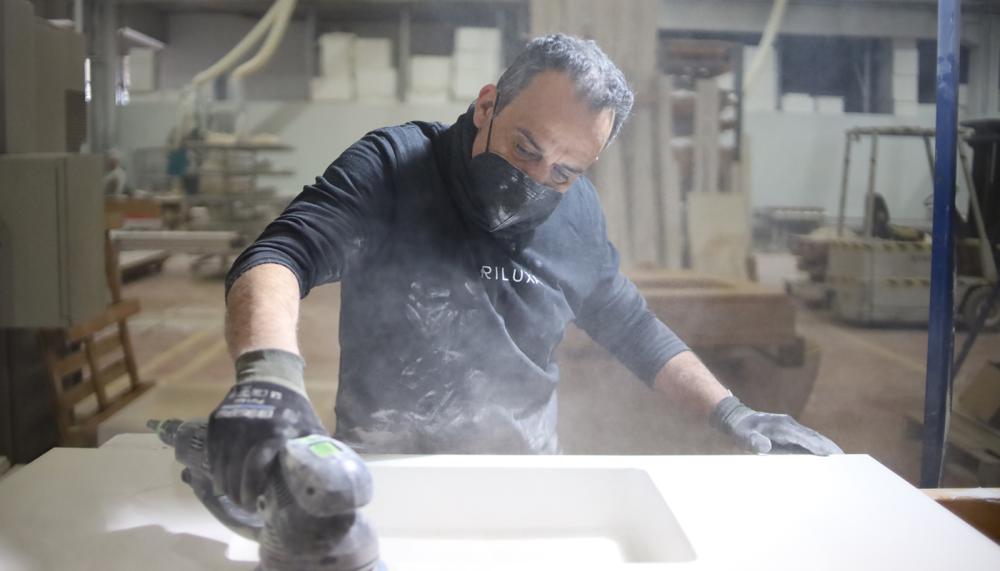
For companies with integrated production, the advantage is clear. At Riluxa, manufacturing from our Valencia base allows close control over quality, materials and scheduling, enabling a more responsive and reliable process.
Specification is now more collaborative and increasingly digital. Designers expect rapid iterations, clear communication and the ability to visualise solutions before production begins. Flexible dimensions, configurable products and remote collaboration are becoming standard, alongside greater openness to international sourcing when it delivers the right balance of quality, service and reliability.
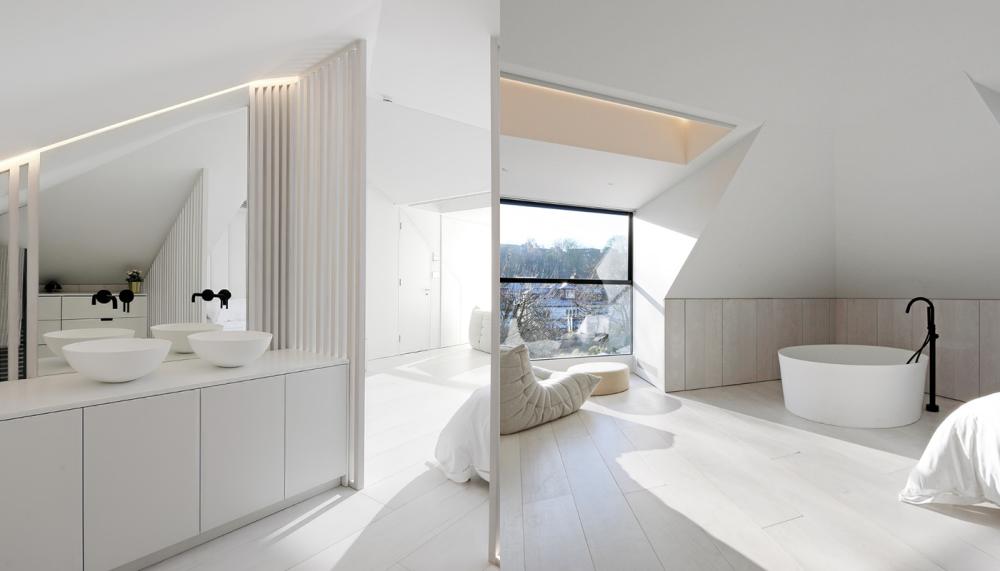
This approach is reflected in projects where Riluxa has worked alongside studios including Clayland Architects, The Door UK and Hatterwan Architects. For example, in a Highgate renovation by Hatterwan Architects, bathroom elements were integrated within an open-plan roof volume, where freestanding and countertop pieces were specified as sculptural forms within the architecture.
Despite these shifts, the foundations remain unchanged. Comfort, durability and material quality continue to define long-term value in bathroom design.
While the tools, materials and expectations around bespoke have evolved, the fundamentals of good design have not. Quality reveals itself over time, through materials that age well, precise execution and attention to detail. Clients still expect spaces that feel considered, perform over the long term, and reflect a high level of care in both design and manufacturing.
Bathrooms today are more complex, more technical and more expressive than ever before, raising expectations across every stage of design and delivery.
Bespoke is no longer about standing out, it is about keeping up. The real shift is not in what can be designed, but in what can be delivered reliably, precisely and without compromise. As expectations rise, value is shifting towards partners who can deliver bespoke with consistency, combining flexibility with control at every stage of design and delivery.
Tags: insight, features, riluxa, frederic tome, bathrooms, materials
In Other News