How hobs with integrated extraction are revolutionising modern kitchen design
Mon 17th Aug 2026 by Sally Smith
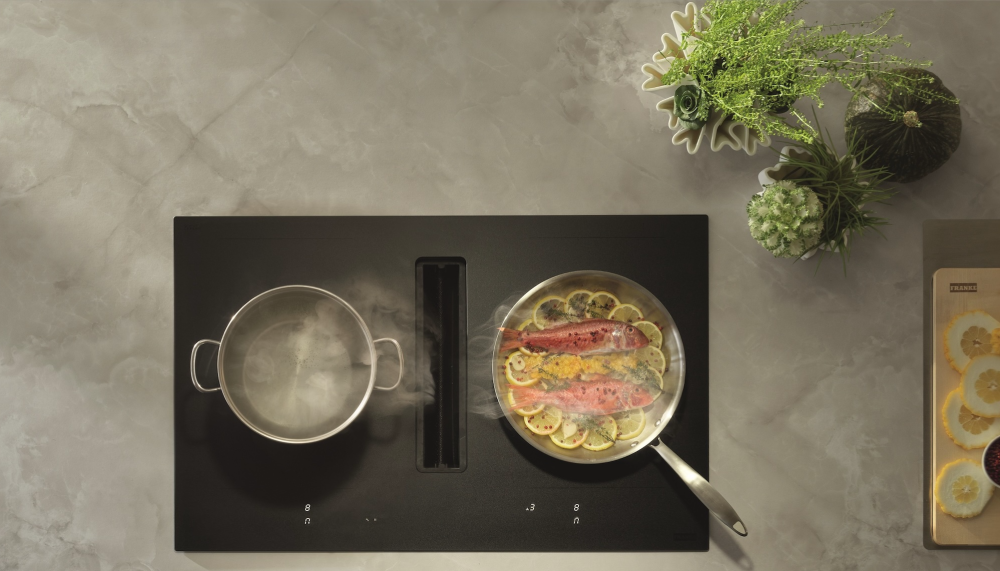
How hobs with integrated extraction are revolutionising modern kitchen design

Premium induction hobs offer powerful automated extraction, stylish matt black surfaces and a streamlined aesthetic – a kitchen designer's dream. Sally Smith looks at the latest products on offer.
The latest integrated hobs combine induction cooking and extraction in a single appliance, drawing steam, grease and odours directly from the cooking surface. This removes the need to incorporate a sometimes bulky overhead hood into a kitchen design giving customers much more flexibility when creating an open plan space.
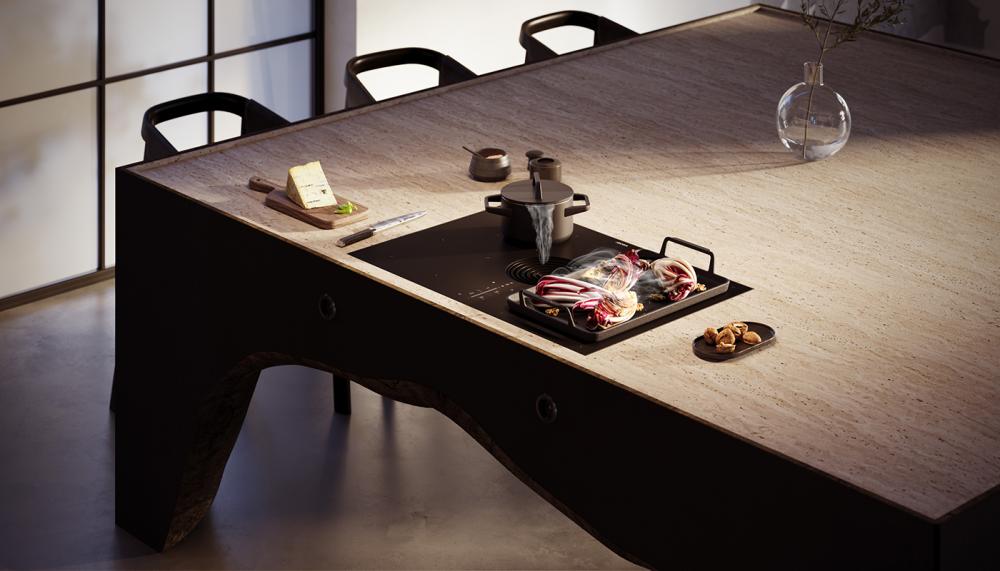
"The integrated extraction cooktop has evolved from being a premium niche product to one of the most influential developments in modern kitchen design," explains Andy Cummings, country manager UK at Bora. "Rather than viewing extraction as a separate appliance, homeowners increasingly want a single, seamless solution. This shift presents an opportunity for kitchen retailers to offer customers greater design freedom. This flexibility is becoming an increasingly important factor in kitchen purchasing decisions," he adds.
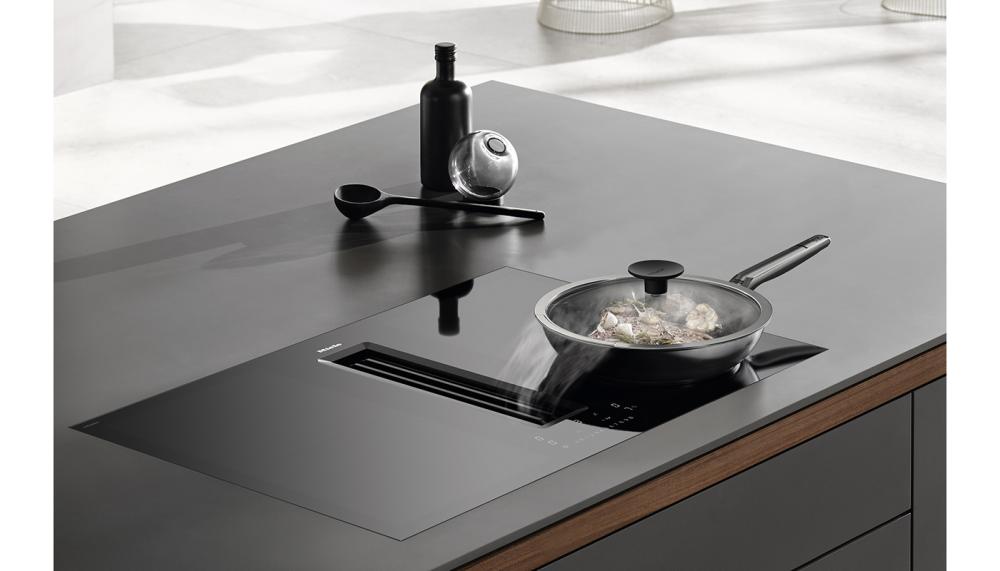
Homeowners are looking for high-performing appliances that don’t dominate the space, fitting in with open-plan layouts within multifunctional kitchens.
"I think for many consumers, the appeal lies in combining the latest technology with a sleek, open aesthetic by removing the need for an overhead extractor. Designers also increasingly recommend them because they're often simpler to install, particularly models with plug-and-play recirculation systems, which reduce the amount of planning required around ducting and extraction. Some kitchen retailers tell us that more than 80 percent of the hobs they now sell are in this format," says Dan Young, category lead for kitchens at Miele GB.
Depending on the model, you may lose a drawer to accommodate the extraction system, although in most kitchens this is a relatively small compromise for the cleaner look and additional wall or ceiling space gained.
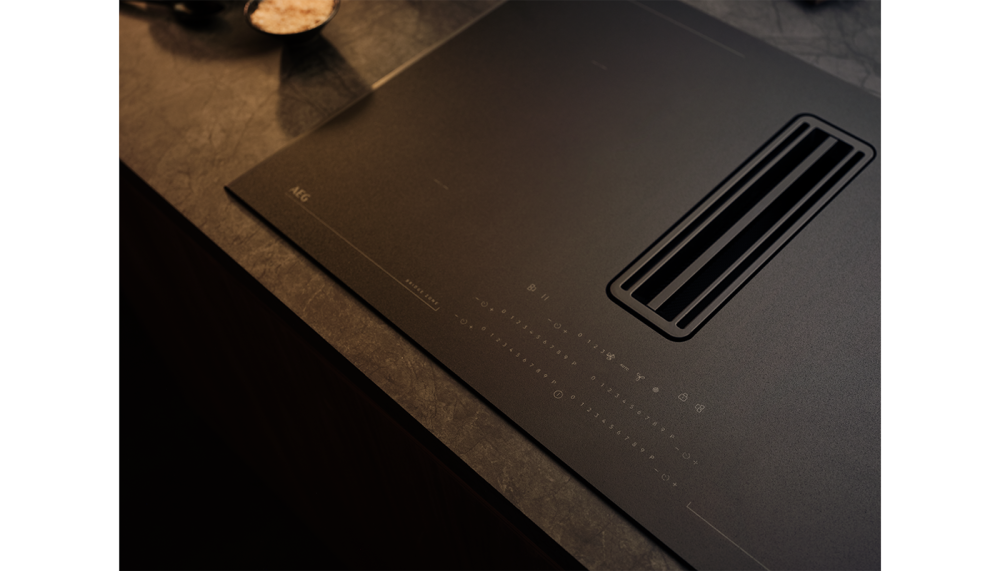
A common misconception is that integrated extractor hobs must be ducted outside. While ducted installation is possible, effective filtration also allows many models to operate in recirculation mode.
Michael Forbes, lead product trainer at AEG, says: "While a ducted installation vents air outside and requires a suitable duct route, in a recirculating installation, the air is filtered before being returned to the room through an air gap at the rear of the cabinetry. This can make installation far simpler where external ducting is not practical." Looking to the future Forbes says: "We expect innovation to remain focused on smarter features that provide greater cooking flexibility and easier maintenance. Connected and sensor-led technologies are also likely to play a greater role, allowing appliances to respond more precisely to what consumers are cooking."
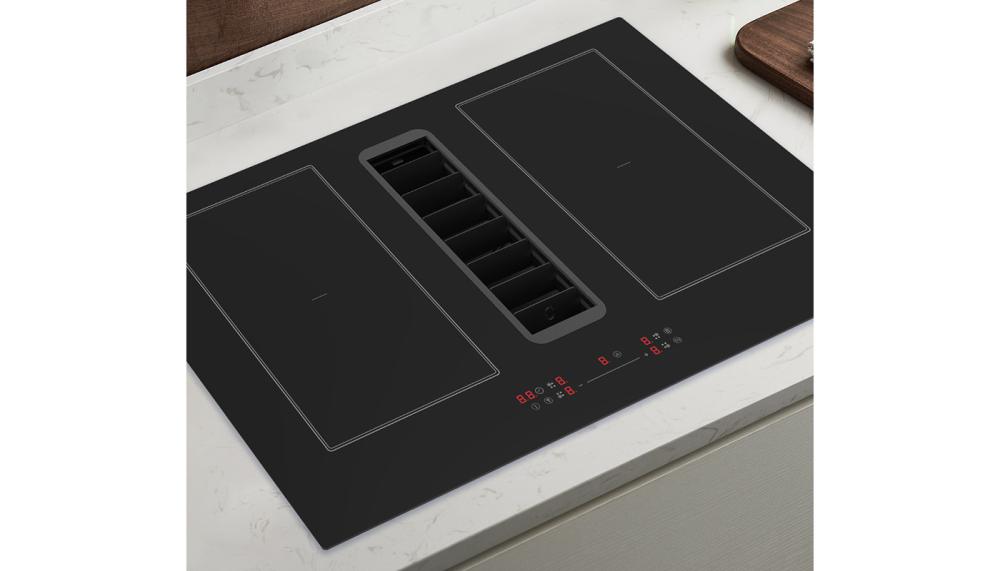
Matthew Davies, product manager at Cata, agrees. "I'd expect to see continued progress on noise reduction and motor efficiency, smarter automation – hobs that adjust extraction based on what's actually happening on the pan rather than a preset level – and tighter integration with smart home and app-based control," he says. "It can be an easier sell for kitchen designers: one appliance, one installation, one warranty rather than specifying and co-ordinating 2 separate units."
These integrated extraction hobs will typically need a slightly deeper cabinet than a standard hob installation, so it's worth flagging to customers and installers before the kitchen design is finalised.
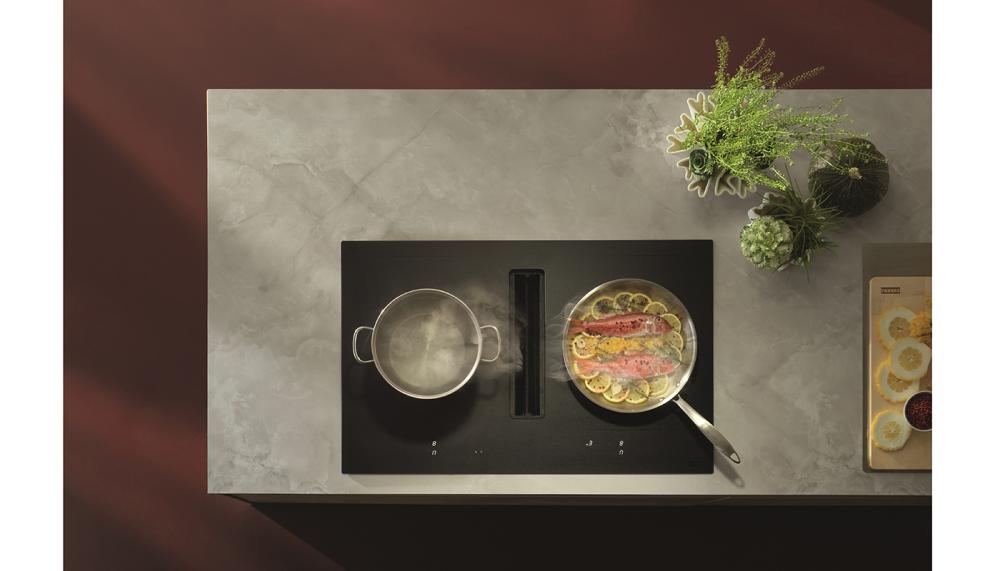
"Today's premium integrated systems offer extraction performance that rivals many traditional cooker hoods, giving both retailers and consumers greater confidence in specifying them," says Amie Gee, marketing manager at Franke UK. "As integrated hob extractors continue to evolve, installation has become increasingly straightforward, with manufacturers placing greater emphasis on installer-friendly design alongside enhanced functionality and premium aesthetics." It’s important to ensure sufficient space is allocated below the appliance for the extraction system and any associated ducting or filtration components. "Although our new models have been designed with more compact motors to optimise cabinet space underneath," adds Gee.
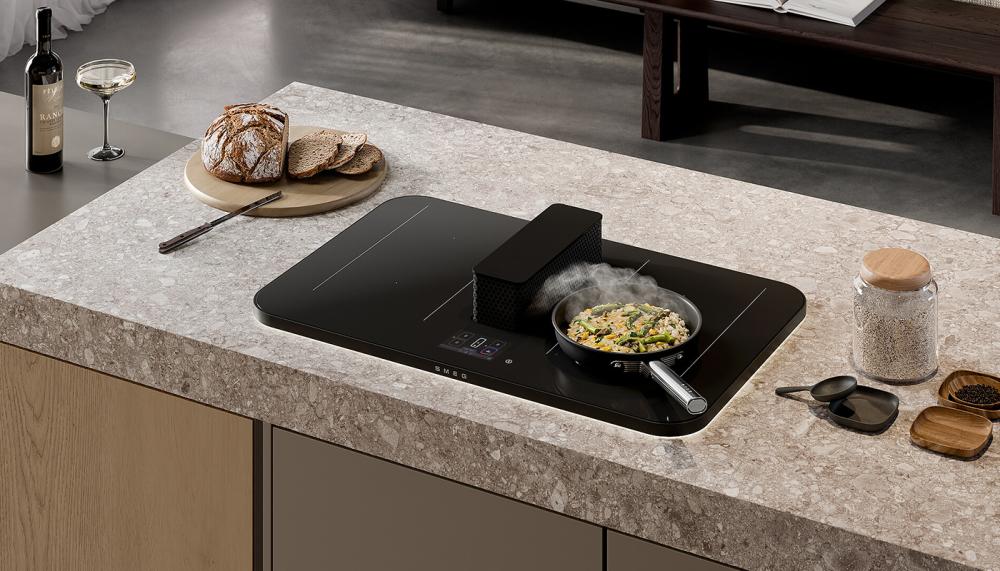
Richard Mackey, product manager at Smeg, adds: "Consumers are looking for intelligent technology that makes cooking more intuitive, efficient and enjoyable, whether that's flexible cooking zones, responsive induction technology or extraction that works seamlessly alongside the hob." Cabinet dimensions, ventilation routes and whether the appliance will operate in extraction or recirculation mode should all be discussed with customers at the initial stages of the design process.
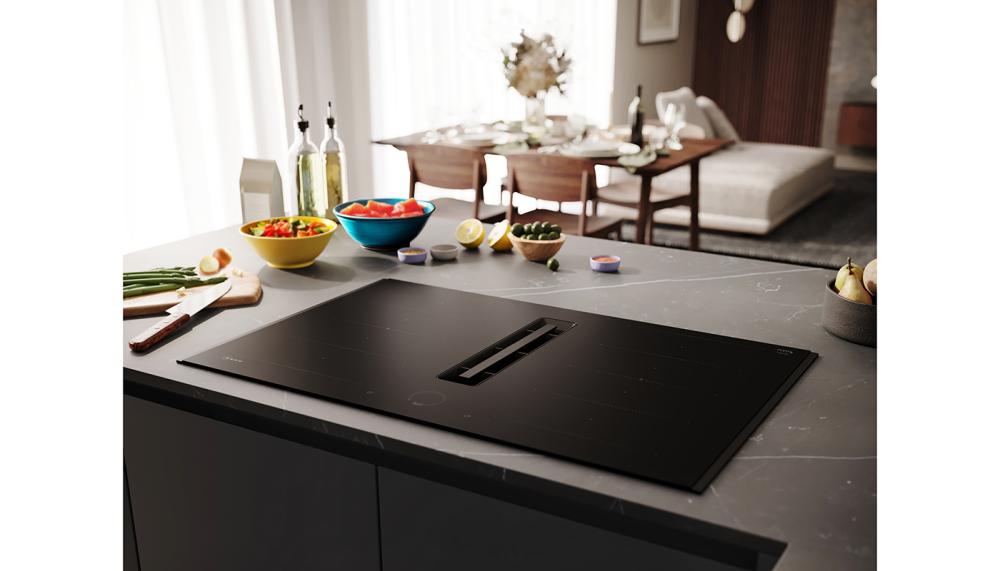
"When it comes to installing an integrated hob it is key to ensure the hobs cut-out and the space under the worktop can accommodate the extraction module, and there’s a feasible route for any required ducting whether it's ducted or recirculation as this directly affects odour control and cooking performance," says Sangharsha Karki, surface & ventilation, Neff product manager.
Tags: features, kitchens, induction hobs, integrated extraction, bora, miele, aeg, cata, franke, smeg, neff



Sign up to our newsletter
Most Read